Custom furniture offers a way to create tables, beds, wardrobes, sofas, shelves, and other furnishings according to specific needs, dimensions, and design preferences. Unlike mass-produced furniture, which is manufactured using standardized designs and sizes, custom-made furniture can be adapted to suit a particular room, interior style, or functional requirement.
People explore custom furniture for many reasons. A homeowner may need a wardrobe that fits an unusually shaped bedroom, a family may want a dining table suited to its available space, or a remote worker may require a desk designed around specific equipment and storage needs.
The process involves more than selecting a color or finish. It may include choosing materials, defining dimensions, deciding on storage features, selecting hardware, and planning how the furniture will be assembled and maintained.
Understanding these considerations helps people make informed decisions and create furniture that balances appearance, comfort, durability, and everyday usefulness.
What Is Custom Furniture?
Custom furniture is designed or modified to meet particular requirements rather than following only standard product dimensions and configurations. Depending on the project, the customization may involve the furniture's size, shape, materials, finish, internal layout, upholstery, or functional features.
For example, a custom kitchen cabinet can be designed around the room's dimensions, appliance positions, and storage needs. A built-in bookcase can use available wall space more effectively, while a dining table can be planned to accommodate a specific number of people.
Customization can range from small modifications to a standard design to a piece created from an original concept. The level of design freedom depends on the maker's capabilities, available materials, construction methods, and technical requirements.
A successful design begins by identifying the purpose of the furniture and understanding the conditions in which it will be used.
Popular Types of Custom Furniture
Custom Living Room Furniture
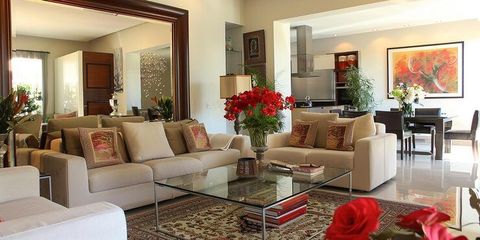
Living room furniture needs to balance comfort, appearance, and available space. Custom sofas, coffee tables, entertainment units, side tables, and bookshelves can be designed to suit the room's layout.
A media unit, for instance, can include compartments for electronic equipment, cable management, and concealed storage. A custom coffee table can be designed with dimensions that allow comfortable movement around surrounding seating.
When planning upholstered furniture, consider seat depth, back support, fabric durability, and ease of cleaning. These features often have a greater effect on daily comfort than decorative details alone.
Custom Bedroom Furniture
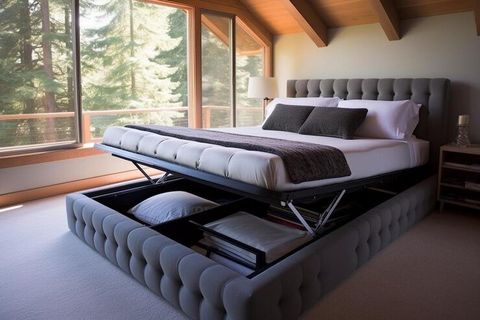
Bedroom furniture can be adapted to the room's dimensions and storage requirements. Common options include wardrobes, beds with integrated drawers, bedside tables, dressing units, and headboards with built-in shelves.
A custom wardrobe can include hanging sections, adjustable shelves, drawers, and compartments for accessories. Its internal layout should reflect the types of clothing and belongings that need to be stored.
Bed dimensions should be selected carefully to allow adequate space for movement and access to other furniture. In smaller bedrooms, integrated storage may help reduce clutter without requiring additional cabinets.
Custom Kitchen and Dining Furniture
Kitchens often contain appliances, plumbing connections, and work surfaces that must fit together precisely. Custom cabinets can be designed around these requirements while providing suitable storage for cookware, utensils, food, and cleaning supplies.
Drawer organizers, pull-out shelves, corner storage, and dedicated appliance compartments can improve accessibility. Material selection is particularly important because kitchen furniture may be exposed to heat, moisture, spills, and frequent cleaning.
Custom dining tables can also be designed around household routines. Shape, seating capacity, leg placement, and tabletop dimensions all affect comfort and how efficiently the surrounding space is used.
Custom Office Furniture
Home offices and professional workspaces benefit from furniture designed around work activities and equipment. Custom desks, filing cabinets, shelving units, and conference tables can help organize documents and technology.
Desk height, legroom, monitor placement, and keyboard positioning should be considered when planning a workstation. Storage should remain accessible without crowding the working surface.
A well-designed workspace can support better organization and more comfortable working habits, although furniture alone does not guarantee good posture or prevent discomfort.
Choosing the Right Materials for Custom Furniture
Material selection influences the appearance, strength, maintenance needs, and expected lifespan of furniture.
Solid wood is used for tables, chairs, beds, and cabinets. Different species have different grain patterns, hardness, and responses to humidity. Wood can develop surface marks over time, and some finishes require periodic maintenance.
Plywood consists of layers of wood veneer bonded together. Its construction can provide dimensional stability, making it useful for cabinets, shelves, and furniture panels when the appropriate grade and thickness are selected.
Medium-density fiberboard, or MDF, is an engineered wood product made from wood fibers and resin. It provides a smooth surface for painted finishes and detailed panel designs. However, standard MDF can be vulnerable to moisture, so its suitability depends on the environment and the product's specifications.
Metal is commonly used for furniture frames, table legs, shelving supports, and contemporary designs. Its strength and appearance depend on the metal type, thickness, construction, and protective finish.
Upholstery materials include natural fabrics, synthetic textiles, and leather or leather alternatives. The right option depends on comfort, wear resistance, cleaning requirements, and exposure to sunlight.
Before choosing materials, ask how they will perform under the expected conditions. A material suitable for a decorative shelf may not be appropriate for a heavily used dining table or a humid environment.
Benefits of Custom Furniture
One important benefit of custom furniture is dimensional flexibility. Pieces can be designed around narrow corners, unusual wall lengths, sloped ceilings, or other features that make standard furniture difficult to accommodate.
Customization also supports more purposeful storage. Instead of working around predetermined compartments, the internal arrangement can reflect the items that need to be organized.
Another benefit is design consistency. Materials, colors, finishes, and proportions can be coordinated with existing flooring, lighting, cabinetry, and decorative elements.
Custom furniture may also allow users to prioritize particular construction features, such as reinforced joints, replaceable hardware, or durable upholstery. However, these advantages depend on the quality of the design, materials, and workmanship.
Customization is not automatically the most suitable choice for every situation. Standard furniture may be more practical when dimensions are conventional, delivery speed is important, or the required design is readily available.
How to Plan a Custom Furniture Project
Measure the Available Space
Accurate measurements are the starting point. Record the room's length and width, ceiling height, door openings, windows, electrical outlets, and any obstacles that may affect placement.
For large furniture, consider the delivery route as well. Doorways, staircases, elevators, and narrow corridors can limit the dimensions of pieces that can be moved into a room.
Define the Main Purpose
Identify what the furniture needs to accomplish. A dining table may need to accommodate everyday meals and occasional gatherings, while a desk may require space for multiple monitors and document storage.
Separating essential requirements from optional features helps keep the design practical.
Select the Design and Finish
Consider how the furniture will fit with the room's existing style. Minimalist interiors may suit simple forms and neutral finishes, while traditional spaces may benefit from detailed woodwork or decorative elements.
Request drawings or design specifications before production begins. These should clarify dimensions, material choices, storage arrangements, and important construction details.
Confirm Construction and Installation Details
Discuss the assembly method, hardware, finish, delivery arrangements, and installation requirements. Built-in furniture may require additional planning around electrical wiring, plumbing, ventilation, or wall structure.
Clear specifications reduce misunderstandings and make it easier to check the finished piece against the agreed design.
Custom Furniture for Small Spaces
Small homes and apartments can benefit from furniture designed to serve more than one purpose. Storage beds, fold-down desks, extendable dining tables, and built-in benches can help make better use of limited floor space.
Vertical storage is another useful approach. Tall cabinets and wall-mounted shelving can provide additional capacity without occupying as much floor area, provided that the wall and mounting system can safely support the load.
Furniture dimensions should preserve comfortable movement. A compact design is not effective if drawers cannot open fully or if people cannot move easily between furniture pieces.
Multi-purpose furniture should also be easy to operate. A folding table or convertible bed that is difficult to adjust may become inconvenient during everyday use.
Maintaining Custom Furniture
Regular care helps preserve furniture's appearance and function. Cleaning methods should match the material and finish. Wood surfaces may need gentle dusting and protection from prolonged moisture, while upholstered pieces may require vacuuming and prompt treatment of spills.
Avoid placing furniture in conditions that exceed the material manufacturer's recommendations. Excessive humidity, direct sunlight, and large temperature changes can affect wood, adhesives, finishes, and fabrics.
Periodically inspect hinges, drawer runners, fasteners, and joints. Addressing loose hardware early can help prevent further damage. For built-in pieces, check that mounting points remain secure and that doors and drawers operate correctly.
Keep any care instructions supplied with the furniture, especially when specialized finishes or upholstery materials are involved.
Conclusion
Custom furniture allows people to adapt furniture dimensions, materials, storage, and design to their individual spaces and routines. From wardrobes and kitchen cabinets to office desks and living room furniture, thoughtful customization can improve organization and create a more cohesive interior.
The best results begin with accurate measurements, clearly defined requirements, suitable materials, and detailed design specifications. Construction quality, installation, and maintenance are equally important to long-term performance.
By considering both practical needs and visual preferences, homeowners can determine whether custom furniture or a standard design is better suited to their circumstances. The goal is to create furniture that fits the space, supports everyday activities, and remains useful over time.