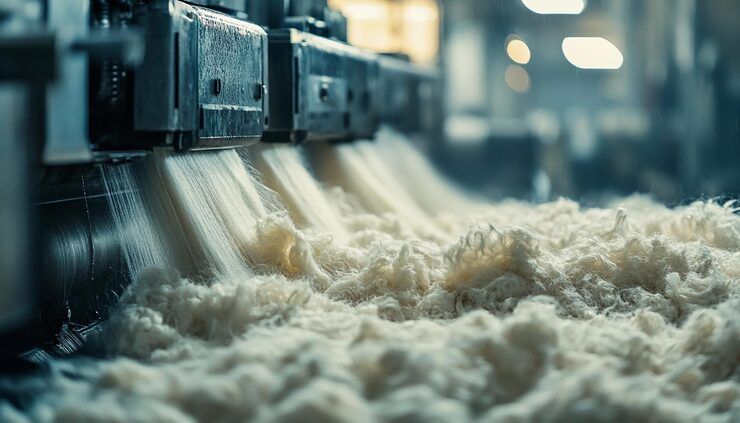
Cotton ginning machines are industrial agricultural systems designed to separate cotton fibers from seeds after harvesting. This process prepares raw cotton for textile manufacturing and produces cottonseed that can be used in other agricultural and industrial applications.
Cotton is harvested with its seeds still attached to the fibers. Before the fibers can be spun into yarn, most of the seeds and unwanted plant materials must be removed. Ginning equipment performs this separation through mechanical processes that aim to maintain fiber quality while preparing cotton for storage and transportation.
Modern cotton ginning facilities may include cotton cleaners, feeding systems, drying equipment, seed separators, lint cleaners, conveyors, and hydraulic bale presses. The equipment configuration depends on the cotton variety, moisture content, contamination level, processing capacity, and quality requirements.
Understanding Cotton Ginning Equipment
A cotton gin is the main machine used to separate cotton fibers from seeds. Different gin designs use different mechanical principles to perform this task.
Saw ginning machines use rotating saw blades and associated components to separate fibers from seeds. They are widely used for processing upland cotton and can handle substantial volumes of material.
Roller ginning machines use rollers and related mechanisms to separate fibers from seeds. They are often used for cotton varieties that require gentler handling to protect fiber length and quality.
A complete cotton ginning plant generally includes several supporting machines that prepare cotton before ginning and handle the separated materials afterward.
Common equipment includes:
Cotton cleaners: Remove leaves, stems, dust, and other foreign materials.
Cotton dryers: Reduce excess moisture when required for effective processing.
Feed control systems: Maintain a consistent flow of cotton into the gin.
Seed separation machines: Separate cotton fibers from their seeds.
Lint cleaners: Remove remaining impurities and improve lint preparation.
Conveyors: Transport cotton and cottonseed between processing stages.
Hydraulic bale presses: Compress processed cotton into compact bales.
Dust collection systems: Capture airborne particles and improve workplace conditions.
How the Cotton Ginning Process Works
Cotton ginning involves several connected stages, and each stage affects the quality of the final fiber.
Receiving and inspection: Harvested cotton is examined for moisture, foreign matter, and other characteristics that may affect processing.
Pre-cleaning: Cleaning equipment removes larger plant materials, dirt, and other contaminants before the cotton reaches the main gin.
Moisture management: Drying or conditioning equipment may be used to bring cotton within a suitable moisture range. Excessive drying can damage fibers, while excessive moisture can interfere with processing.
Ginning: The main machine separates the cotton fibers from the seeds. The separated fiber is known as lint.
Lint cleaning: Additional cleaning may remove remaining particles, depending on the cotton's condition and the required quality specifications.
Baling: The lint is compressed into bales for storage, identification, handling, and transportation.
Cottonseed is collected separately and may be directed toward oil extraction, animal-feed ingredients, planting, or other appropriate applications, depending on its quality and intended use.
Why Cotton Ginning Machines Matter
Cotton ginning machines connect agricultural production with textile manufacturing. Their performance affects fiber quality, processing efficiency, seed recovery, workplace conditions, and the amount of usable material recovered from harvested cotton.
Supporting Textile Manufacturing
Textile mills require cotton fiber with appropriate cleanliness, length, strength, and other physical characteristics. Ginning equipment influences these properties by controlling the separation process and limiting unnecessary fiber damage.
Poorly adjusted machinery can increase fiber breakage, create additional waste, or leave excessive impurities in the lint.
Improving Processing Efficiency
Automated feeding, moisture monitoring, and process controls can help maintain consistent material flow and reduce interruptions.
A well-coordinated production line also helps operators identify bottlenecks between cleaning, ginning, lint handling, and baling.
Reducing Material Loss
Efficient seed separation and careful fiber handling can help recover usable lint while maintaining appropriate cottonseed quality.
The objective is not simply to process more cotton per hour. It is also to achieve suitable fiber quality, consistent output, and responsible use of energy and materials.
Supporting Agricultural Economies
Cotton ginning facilities connect farmers, agricultural cooperatives, cotton traders, textile mills, and other businesses in the cotton supply chain.
Reliable processing equipment helps convert harvested cotton into standardized materials that can be evaluated according to established quality specifications.
Recent Developments in Cotton Ginning Technology
Developments during 2025 and 2026 have continued to emphasize automation, energy management, traceability, and improvements in cotton quality assessment. The pace of adoption varies by country and facility, and individual equipment upgrades should be evaluated against documented performance data.
Automation and Digital Monitoring
Modern ginning plants increasingly use sensors, programmable controllers, variable-speed drives, and automated feeding systems to monitor operating conditions.
These technologies can help operators track material flow, identify irregularities, and maintain more consistent processing conditions. Some facilities also use digital maintenance records to monitor equipment performance and plan inspections.
Automation does not eliminate the need for skilled operators. Equipment settings still need to reflect cotton moisture, variety, contamination, and the required fiber characteristics.
Cotton Quality Measurement
Cotton quality assessment relies on established testing methods and standardized classification systems. High-volume instrument testing can measure characteristics such as fiber length, strength, micronaire, and uniformity.
During 2025 and 2026, digital traceability and improved data management remained important themes in the broader cotton supply chain. These approaches can help connect bale identification with test results and production records.
Energy Efficiency and Dust Management
Ginning facilities use energy for drying, cleaning, conveying, separation, and compression. Equipment operators increasingly evaluate motor efficiency, airflow, process sequencing, and maintenance practices to manage energy use.
Dust collection and fire prevention remain essential because cotton dust and combustible plant materials can create serious industrial hazards.
Laws, Policies, and Industry Standards
Cotton ginning plants must follow agricultural, environmental, workplace safety, and product-quality requirements applicable to their location. Specific obligations differ between countries and sometimes between states or regions.
Cotton Processing Regulations in India
In India, cotton ginning facilities may be subject to applicable state factory legislation, occupational safety requirements, local building rules, electricity regulations, and environmental approvals.
The Central Pollution Control Board and State Pollution Control Boards provide regulatory information concerning industrial emissions, waste management, and pollution prevention. The exact requirements depend on the plant's activities, location, equipment, and applicable state regulations.
Facilities should also follow relevant requirements for electrical installations, fire protection, machinery guarding, and worker safety.
International Cotton Quality Standards
Cotton quality is commonly evaluated using recognized testing and classification systems.
The United States Department of Agriculture provides cotton classification information and standardized testing guidance. International cotton trading also relies on recognized methods for measuring fiber characteristics and determining bale quality.
Consistent testing helps textile manufacturers assess whether cotton meets the requirements of particular spinning and manufacturing processes.
Worker and Machinery Safety
Cotton ginning equipment contains rotating parts, high-speed components, conveyors, hydraulic systems, and electrical machinery.
Important safeguards include:
Machine guards and emergency stops
Lockout procedures during maintenance
Fire detection and prevention systems
Dust collection and ventilation
Electrical inspections
Operator training
Safe handling of compressed cotton bales
Appropriate safety measures reduce the risk of mechanical injuries, fire, dust exposure, and unexpected equipment movement.
Tools and Resources for Cotton Ginning
Several resources can help plant managers, agricultural businesses, engineers, and students understand cotton processing technology.
Equipment Evaluation Checklist
Before evaluating a cotton ginning system, consider the following factors.
| Evaluation Factor | Information to Review |
|---|---|
| Cotton variety | Fiber characteristics and seed properties |
| Processing capacity | Required tonnes or bales per operating period |
| Moisture content | Incoming cotton condition and drying needs |
| Gin type | Saw gin or roller gin suitability |
| Cleaning system | Required removal of plant material and impurities |
| Fiber quality | Length, strength, cleanliness, and uniformity |
| Energy requirements | Electrical load and drying energy |
| Maintenance | Blade, roller, bearing, and conveyor inspections |
| Safety | Guards, dust controls, emergency systems, and fire protection |
| Output handling | Bale dimensions, identification, and storage arrangements |
Useful Technical Resources
USDA Agricultural Marketing Service: Cotton classification, fiber testing, and quality information.
International cotton industry organizations: Educational material on cotton processing, testing, and supply-chain standards.
Central Pollution Control Board: Environmental compliance information relevant to Indian industrial facilities.
State agricultural departments: Regional cotton production information and applicable agricultural programs.
Equipment technical manuals: Operating instructions, maintenance schedules, rated capacity, and safety requirements.
Production records can also be used to calculate lint recovery, energy consumption per tonne, equipment downtime, and maintenance frequency. These measurements help compare operating performance over time.
Frequently Asked Questions
What is a cotton ginning machine used for?
A cotton ginning machine separates cotton fibers from seeds after harvesting. Supporting equipment removes impurities, handles the separated materials, and compresses the lint into bales for storage and transportation.
What is the difference between saw ginning and roller ginning?
Saw ginning uses rotating saw blades to separate fibers from seeds, while roller ginning uses a roller-based separation mechanism. The suitable method depends on cotton variety, fiber characteristics, processing requirements, and the intended output quality.
Which factors affect cotton ginning efficiency?
Efficiency depends on cotton moisture, incoming contamination, machine condition, feeding consistency, gin settings, cleaning requirements, and maintenance. Excessive processing speed or inappropriate settings can negatively affect fiber quality.
What happens to cottonseed after ginning?
Cottonseed is separated from the lint and collected for appropriate downstream uses. Depending on its condition and intended purpose, it may be processed for cottonseed oil, used in feed-related applications, or retained for planting where suitable.
How can a cotton ginning plant improve operational performance?
A facility can monitor lint quality, material recovery, energy consumption, downtime, and maintenance records. Proper machine adjustment, consistent feeding, suitable moisture control, effective cleaning, and operator training can support reliable performance.
Conclusion
Cotton ginning machines play an essential role in converting harvested cotton into usable textile fiber. Saw gins, roller gins, cleaners, dryers, separators, conveyors, and bale presses work together to prepare cotton for storage and further manufacturing.
Modern developments in automation, digital monitoring, quality measurement, and energy management are helping facilities evaluate production performance more systematically. However, effective operation still depends on appropriate equipment selection, regular maintenance, skilled operators, and careful control of cotton moisture and processing conditions.
Understanding machinery specifications, fiber quality requirements, environmental obligations, and workplace safety measures helps cotton processing facilities make informed technical decisions. A well-managed ginning operation supports consistent lint quality, efficient material recovery, and a more reliable connection between cotton farming and textile manufacturing.