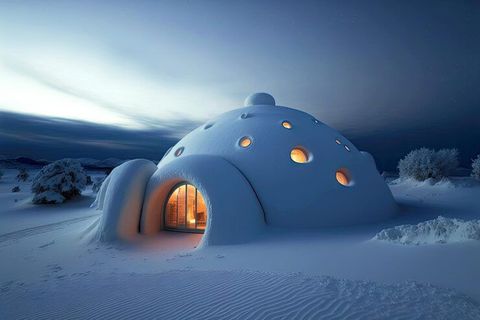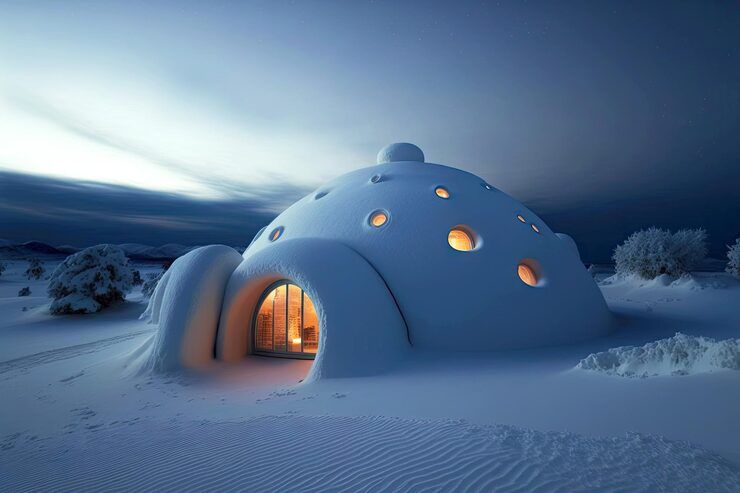
Ice hotels are temporary or semi-permanent accommodation structures constructed primarily from snow and ice. They combine hospitality, architecture, sculpture, engineering, Arctic tourism, and winter recreation in an environment where temperatures remain low enough to preserve frozen structures.
The concept is strongly associated with northern Scandinavia. Sweden's ICEHOTEL in Jukkasjärvi, located around 200 kilometres north of the Arctic Circle, opened in 1989 and became one of the best-known examples of this type of accommodation. The property has developed into both a winter hotel and a year-round destination for ice art.
Unlike a conventional hotel, a seasonal ice hotel is designed to change or disappear with the seasons. Snow and ice are shaped into walls, corridors, rooms, sculptures, and public spaces. At the end of the winter season, the structure can melt as temperatures rise.
This creates an unusual relationship between architecture and climate. The building itself becomes part of the destination rather than simply providing a place to sleep.
How an Arctic Ice Hotel Is Created
Construction begins with the availability of suitable snow and ice. At ICEHOTEL, ice is harvested from the Torne River and stored before winter construction begins. The seasonal building is then assembled using snow, ice blocks, structural techniques, artistic installations, lighting, and carefully planned interior spaces.
An ice accommodation project generally requires attention to:
Snow and ice quality
Structural stability
Interior temperature
Lighting
Ventilation
Emergency access
Fire safety
Guest movement
Thermal sleeping equipment
Seasonal weather conditions
The engineering approach differs from ordinary hotel construction because the structure is deliberately temporary and its physical properties change with temperature.
Why Arctic Ice Hotels Matter Today
Ice hotels are important because they combine tourism with architecture, environmental conditions, art, and regional identity. They also provide an example of how extreme climates can influence hospitality design.
For travelers, the experience is different from conventional luxury hotel accommodation. Guests may sleep in rooms maintained below freezing while using specialized thermal sleeping equipment and insulated bedding.
A Distinctive Form of Winter Tourism
Arctic accommodation can complement other winter activities such as:
Northern Lights viewing
Dog sledding
Snowmobile excursions
Cross-country skiing
Ice sculpture
Winter photography
Arctic wildlife observation
Indigenous cultural experiences
This makes ice hotels particularly relevant to people researching Arctic travel, luxury winter holidays, Scandinavian tourism, adventure travel, and unusual hotel accommodation.
Art as Part of the Hotel
One of the defining characteristics of modern ice hotels is the integration of art into the architecture.
At ICEHOTEL, artists from different countries create individual ice suites and large shared spaces. The 2025–2026 ICEHOTEL 36 included 12 art suites, ice rooms, a main hall, and a ceremony hall.
This approach turns accommodation into a temporary art exhibition. A room can therefore function simultaneously as a sleeping environment, sculpture, architectural space, and cultural attraction.
Climate and Resource Considerations
Ice hotels also demonstrate how tourism can use natural seasonal conditions as part of the building concept.
The environmental picture is complex. A seasonal structure may use natural snow and river ice, but transportation, construction equipment, heating for associated warm buildings, food operations, travel, and other activities still create environmental impacts.
The most useful way to evaluate an Arctic hotel is therefore to consider its complete tourism footprint rather than assuming that a structure made from ice is automatically environmentally sustainable.
Recent Developments in Arctic Ice Hotels
The 2025–2026 winter season brought another major iteration of Sweden's ICEHOTEL.
ICEHOTEL 36 Opened for the 2025–2026 Season
In December 2025, ICEHOTEL 36 opened in Jukkasjärvi. Visit Sweden reported that the winter hotel contained artworks created by 33 artists from 12 countries. One notable installation was a full-size grand piano made entirely from ice.
The winter edition also included the approximately 30-metre-long Cathedral Grove main hall and the ECHO Ceremony Hall. The seasonal structure was designed to return to the river through melting after the winter period.
Year-Round Ice Architecture
A major development in the Arctic accommodation concept is the combination of seasonal and year-round infrastructure.
ICEHOTEL 365 uses advanced cooling technology to maintain ice environments throughout the year. Visit Sweden describes the year-round facility as containing ice suites, an ice bar, and art exhibitions.
This model separates the artistic ice environment from the natural winter cycle, allowing visitors to experience ice architecture even when outdoor Arctic temperatures rise.
ICEHOTEL 37 for 2026–2027
The next seasonal edition, ICEHOTEL 37, is planned for the 2026–2027 winter period. The current design program lists 12 art suites, ice rooms, a main hall, and a ceremony hall.
The continuing annual redesign shows how the concept has evolved into a recurring cultural and architectural program rather than a single permanent building.
| Feature | Seasonal Ice Hotel | Year-Round Ice Facility |
|---|---|---|
| Main material | Snow and natural ice | Ice maintained by cooling |
| Typical operation | Winter season | Throughout the year |
| Architecture | Rebuilt periodically | Permanent supporting structure |
| Artwork | New seasonal designs | Long-term ice installations |
| Climate dependency | High | Managed through refrigeration |
| Main attraction | Temporary Arctic architecture | Ice art throughout the year |
Laws, Regulations and Policies in Sweden
Sweden provides a useful regulatory example because Arctic accommodation must comply with building, fire-safety, environmental, workplace, and municipal requirements.
Building Permits and Municipal Approval
Swedish construction rules distinguish between activities that require building permits, notifications, demolition permits, or site-improvement permits. Applications are generally handled by the local municipality's building committee.
This is important for unusual accommodation because a structure made from snow and ice does not automatically fall outside the normal planning framework.
The exact requirements depend on the project's design, location, duration, supporting buildings, utilities, and classification.
Fire Safety
Fire safety remains relevant even when the primary structure is made from ice. Guests occupy enclosed spaces, electrical systems are present, and associated warm buildings can contain kitchens, reception areas, equipment, and other facilities.
Swedish building regulations classify hotel guest rooms within activity class 4, which addresses spaces where occupants may not know the building well and may be asleep.
This means evacuation, fire detection, escape routes, and related safety measures remain important considerations.
Environmental and Arctic Planning
Projects in northern Sweden may also need to consider local land-use rules, protected areas, water resources, wildlife, transportation, waste management, and impacts on surrounding landscapes.
For destinations near rivers, forests, or protected Arctic environments, tourism development may involve additional environmental considerations.
Anyone planning a new accommodation project should therefore consult the relevant municipality, tourism authority, building authority, and environmental regulator before construction.
Tools and Resources for Arctic Hotel Planning
Researching an Arctic ice hotel requires more than checking room availability. Weather, daylight, transportation, clothing, activities, and safety can all affect the trip.
Weather and Arctic Conditions
Useful digital resources include:
Arctic weather applications
Snow and precipitation forecasts
Aurora forecast tools
Daylight and sunrise/sunset calculators
Local road-condition information
Airport and railway applications
These tools can help travelers understand the conditions they may encounter before departure.
Travel and Accommodation Research
Useful sources include:
Official destination tourism websites
Hotel websites
Municipal tourism information
Railway and airline planning platforms
Digital mapping applications
Travel insurance documentation
Local activity calendars
ICEHOTEL's official information currently states that different parts of the property operate during different periods, while ICEHOTEL 365 remains open throughout the year. Travelers should therefore check current dates before planning a visit.
What to Pack
A practical Arctic packing checklist can include:
Thermal base layers
Insulated winter clothing
Warm gloves
Wool or thermal socks
Winter boots
Hat and neck protection
Personal medication
Camera equipment suitable for cold conditions
Travel insurance documentation
Guests sleeping in an ice room generally receive specialized sleeping equipment, but personal cold-weather clothing remains important for outdoor activities and transfers.
Frequently Asked Questions
Are ice hotels actually made from ice?
Yes. Seasonal ice hotels can use natural river ice, snow, or manufactured snow and ice. At ICEHOTEL in Sweden, ice from the Torne River is harvested and stored for construction.
How cold is an ice hotel room?
Ice rooms are maintained at sub-zero temperatures. At ICEHOTEL 365, the ice environment is maintained at approximately -5°C, while guests use specialized thermal sleeping equipment.
Do ice hotels exist throughout the Arctic?
Ice and snow accommodation exists in several northern destinations, but the best-known examples are concentrated in Scandinavia and other regions with suitable winter conditions. Sweden's ICEHOTEL is one of the most established examples.
Do ice hotels melt every year?
Seasonal ice hotels can melt when the winter season ends. ICEHOTEL's winter structure is designed as a temporary building, with the ice eventually returning to the natural water cycle. A separate year-round facility uses cooling technology to preserve its ice environment.
Is an ice hotel suitable for every traveler?
Not necessarily. Very cold indoor temperatures, limited accessibility in some spaces, winter travel conditions, and specialized sleeping arrangements should be considered. Travelers should review accommodation details and accessibility information before making plans.
Conclusion
Ice hotels in the Arctic represent an unusual combination of temporary architecture, hospitality, art, engineering, and winter tourism. Their defining characteristic is that the environment is not simply the setting for the accommodation—the climate becomes part of the building itself.
Sweden's ICEHOTEL demonstrates how this concept has developed from a seasonal experiment into a long-running cultural destination. The 2025–2026 ICEHOTEL 36 continued the tradition of creating new ice art each winter, while the year-round ICEHOTEL 365 demonstrates how refrigeration technology can extend the experience beyond the natural winter season.
The planned ICEHOTEL 37 for winter 2026–2027 also shows the continuing evolution of the concept through new artists, designs, and architectural spaces.
For travelers, Arctic ice hotels provide an opportunity to combine unusual accommodation with northern landscapes, winter activities, and cultural experiences. For architects and hospitality planners, they demonstrate how temporary structures can respond directly to climate while creating distinctive destinations.
Their future will depend on balancing guest safety, responsible resource use, environmental considerations, local regulations, and the artistic character that makes Arctic ice accommodation distinctive.