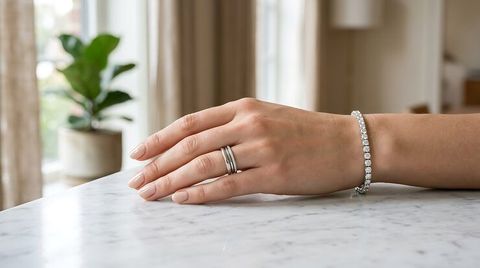
Slim silver bracelets are lightweight-looking jewelry pieces characterized by narrow bands, fine chains, delicate links, or understated decorative details. Their simple appearance makes them suitable for different clothing styles, occasions, and personal preferences.
These bracelets are commonly made from sterling silver, fine silver, silver-plated metals, or other materials with a silver-colored finish. Understanding these differences is important because appearance alone does not establish the metal's purity, durability, or long-term maintenance requirements.
Slim silver bracelets are also part of the broader minimalist jewelry trend, which emphasizes clean lines, versatile designs, subtle details, and combinations of different accessories. Their relatively simple structure makes them useful for exploring jewelry design, metalworking, material quality, and everyday jewelry care.
Understanding Slim Silver Bracelet Designs
Slim silver bracelets are available in several forms, each with different construction methods and practical characteristics.
Chain bracelets consist of interconnected metal links. Their flexibility allows them to follow the shape of the wrist, while link size and construction influence their strength.
Bangle bracelets are rigid or semi-rigid circular designs. Narrow silver bangles may be plain, polished, engraved, or lightly textured.
Cuff bracelets have an open-ended shape that can make them easier to put on and remove. They should fit appropriately because excessive bending can weaken the metal.
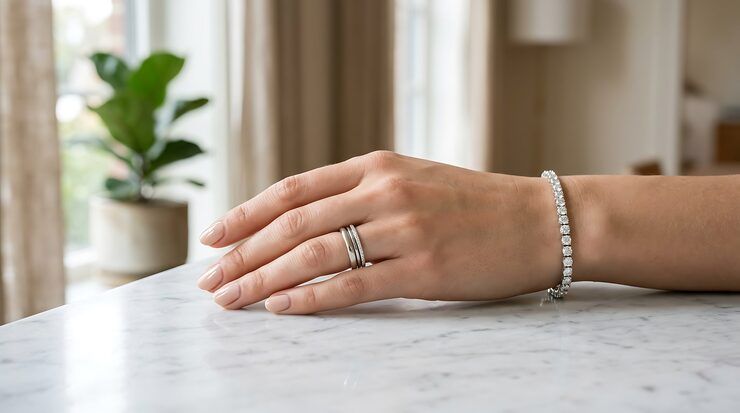
Tennis-style bracelets feature a continuous row of decorative stones set in a narrow metal structure. Their appearance depends on the stone arrangement, setting design, and bracelet flexibility.
Adjustable bracelets use sliding knots, extension chains, or other mechanisms to accommodate different wrist sizes.
Understanding Silver Purity
Silver jewelry is often described according to its metal composition. Sterling silver is a common material for bracelets because it combines silver with other metals to improve practical durability.
| Material | Typical Composition | Main Characteristics |
|---|---|---|
| Fine silver | Approximately 99.9% silver | High purity, relatively soft |
| Sterling silver | 92.5% silver, with other metals making up the balance | Common jewelry material |
| Silver-plated metal | A base metal wi |
| th a silver coating | Surface appearance depends on plating | |
| Silver-colored alloy | Varies by manufacturer | May contain little or no silver |
The term 925 silver generally indicates that an alloy contains 92.5% silver by mass. However, markings should be considered alongside reliable product documentation because a stamp alone does not conclusively establish authenticity.
Why Slim Silver Bracelets Remain Relevant
Slim silver bracelets combine a relatively simple appearance with a wide range of design possibilities. They can complement formal clothing, everyday outfits, and other jewelry without necessarily becoming the main visual feature.
Versatility in Personal Style
Minimalist jewelry can be adapted to different preferences. A plain polished bangle creates a different effect from a fine chain, an engraved cuff, or a bracelet featuring small gemstones.
Common styling approaches include:
Wearing one narrow bracelet for a restrained appearance
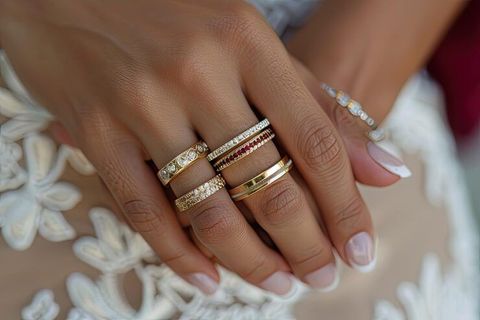
Combining several bracelets of different textures
Pairing silver jewelry with watches
Coordinating bracelets with silver earrings or necklaces
Combining silver with contrasting metals for a mixed-metal look
The suitability of each combination depends on individual style, comfort, and the intended occasion.
Practical Design Considerations
Slim bracelets may use less metal than wider designs, but their narrow construction can also create specific durability concerns.
Thin links, small clasps, delicate solder joints, and narrow cuff sections may be vulnerable to stretching, snagging, or deformation if exposed to repeated force.
When assessing a bracelet, useful characteristics include:
Link thickness and construction
Clasp security
Smoothness of edges
Flexibility and comfort
Quality of polishing
Consistency of the metal finish
Suitability for the intended frequency of wear
Jewelry Care and Longevity
Silver can gradually tarnish when it reacts with sulfur-containing compounds in the surrounding environment. Moisture, cosmetics, household chemicals, and some personal-care products may also affect the surface or finish.
Routine maintenance can help preserve the appearance of silver jewelry. However, cleaning methods should match the material, especially when the bracelet contains gemstones, decorative coatings, adhesives, or plated surfaces.
Recent Trends and Developments
Silver jewelry design continues to evolve through changes in fashion preferences, manufacturing techniques, digital retail presentation, and consumer interest in material transparency.
Minimalist Jewelry Trends in 2025–2026
Minimalist accessories have remained a recognizable part of contemporary jewelry styling. Slim chains, narrow bangles, geometric forms, and layered bracelets allow people to create different looks without relying on large decorative pieces.
During 2025 and 2026, fashion coverage continued to discuss mixed-metal styling, personalized jewelry, sculptural silver forms, and combinations of delicate and more substantial accessories. These trends vary across designers, regions, and individual fashion communities.
Slim silver bracelets fit into this wider design environment because they can be worn alone or combined with different textures and shapes.
Greater Attention to Material Transparency
Consumers increasingly encounter descriptions identifying sterling silver, recycled silver, plated metals, and gemstone materials separately. Clear material descriptions help distinguish between products that may look similar but have different compositions and maintenance requirements.
Recycled silver is another area of interest in jewelry manufacturing. Using recycled material can reduce the need for newly mined silver, although the overall environmental impact depends on collection, refining, energy use, manufacturing, and transportation.
Advances in Jewelry Manufacturing
Computer-aided design, precision casting, laser engraving, and improved finishing methods enable manufacturers to produce detailed bracelet designs with consistent dimensions.
These technologies can support fine chain structures, precise clasps, repeating geometric patterns, and personalized engraving. Manufacturing methods vary according to design complexity, production volume, and the properties of the metal.
There is no single global change that applies to all slim silver bracelets. Specific trend claims should therefore be evaluated against the designer, collection, and publication date.
Laws, Standards, and Jewelry Regulations
Jewelry regulations vary by country. They can address precious-metal purity, product descriptions, hallmarking, consumer protection, chemical safety, and the accuracy of advertising claims.
Precious-Metal Purity and Hallmarking
Hallmarking systems help communicate the composition or purity of precious-metal articles. Requirements differ between jurisdictions, and not every silver item is subject to the same mandatory marking rules.
In the United Kingdom, the Hallmarking Act 1973 establishes a framework for hallmarking qualifying precious-metal articles, including silver. The precise requirements depend on factors such as the metal, article, weight, and applicable exemptions.
In the United States, the Federal Trade Commission's Jewelry Guides address how precious metals and their quality should be represented in marketing. Descriptions must not mislead consumers about a product's composition or characteristics.
Indian Jewelry Standards
In India, the Bureau of Indian Standards administers hallmarking frameworks for precious metals. Consumers researching silver jewelry should check current BIS guidance to understand applicable standards, marking arrangements, and whether a particular item is covered by the relevant requirements.
A 925 marking indicates a claimed sterling-silver composition, but the marking should not be treated as a substitute for appropriate documentation or verification when authenticity is uncertain.
Advertising and Product Descriptions
Jewelry descriptions should clearly distinguish among solid sterling silver, fine silver, silver plating, and silver-colored base metals.
Claims about recycled content, gemstone origin, durability, or environmental benefits should be supported by suitable evidence. Clear descriptions help consumers understand what a bracelet contains without relying on exaggerated or unverified statements.
Tools and Resources for Silver Bracelet Selection and Care
Several practical resources can help people understand jewelry specifications, fit, and maintenance.
Wrist-Size Measurement
A flexible measuring tape can be used to measure the wrist circumference. If one is unavailable, a strip of paper and a ruler can provide an approximate measurement.
Record the measurement without pulling the tape tightly. The appropriate bracelet length depends on the design and preferred fit.
For a chain bracelet, a small amount of additional length may provide movement. A rigid bangle requires a different approach because it must pass over the hand as well as fit around the wrist.
Metal Purity Information
Official standards organizations provide information about precious-metal marking and consumer guidance. Useful sources include the Bureau of Indian Standards, the United Kingdom's hallmarking guidance, and the US Federal Trade Commission's Jewelry Guides.
Cleaning and Storage Supplies
Useful jewelry-care items include:
A soft, lint-free polishing cloth
A clean, dry storage pouch
A separate compartment for delicate chains
Manufacturer-approved cleaning products
A soft brush for suitable designs
Harsh chemicals and abrasive materials should be avoided unless the manufacturer specifically confirms that they are appropriate for the bracelet.
Bracelet Evaluation Checklist
Before choosing a design, consider the following factors:
Metal composition and purity
Bracelet length and fit
Clasp construction
Surface finish
Presence of gemstones or coatings
Maintenance requirements
Manufacturer documentation
Applicable hallmarking requirements
This checklist helps separate visual preferences from practical considerations.
Frequently Asked Questions
What does 925 mean on a silver bracelet?
The number 925 generally indicates that the metal contains 92.5% silver by mass, with the remaining percentage consisting of other metals. A marking alone does not conclusively prove authenticity.
Do slim silver bracelets tarnish?
Yes. Silver can tarnish through chemical reactions with sulfur-containing compounds and other environmental substances. Proper storage and suitable cleaning can help maintain its appearance.
Are sterling silver bracelets suitable for everyday wear?
Many sterling silver bracelets can be worn regularly, but durability depends on thickness, construction, clasp quality, and exposure to physical stress or chemicals. Very delicate chains may require additional care.
How should a slim silver bracelet fit?
A chain bracelet should generally allow comfortable movement without slipping off the hand. A rigid bangle must be large enough to pass over the hand but should not be so loose that it frequently falls off. The ideal fit depends on the design.
How can silver-plated jewelry be distinguished from sterling silver?
The material description, manufacturer's documentation, applicable markings, and professional testing can help establish the composition. Silver-plated jewelry has a surface layer of silver over another material, whereas sterling silver is an alloy containing 92.5% silver throughout.
Conclusion
Slim silver bracelets combine minimalist design with practical considerations involving metal purity, construction, comfort, and maintenance. Their narrow profiles can complement different personal styles, while chain, bangle, cuff, and stone-set designs provide a range of visual and functional characteristics.
Understanding sterling silver, silver plating, hallmarking, and proper care helps clarify the differences between bracelets that may appear similar. Recent developments in jewelry manufacturing and interest in recycled materials also demonstrate how design, technology, and material transparency influence the wider jewelry industry.
By considering composition, fit, clasp quality, care requirements, and applicable regulations, readers can develop a more informed understanding of slim silver bracelets and their place in contemporary jewelry design.