Anti-aging treatments include skincare routines, dermatological procedures, and lifestyle practices designed to address visible changes associated with aging. These changes may include fine lines, wrinkles, uneven skin tone, dryness, reduced elasticity, and changes in skin texture. Aging is a natural biological process influenced by genetics, environmental exposure, hormones, and everyday habits.
The skin gradually changes as collagen and elastin production decline. Collagen helps maintain structural support, while elastin contributes to flexibility. Sun exposure, smoking, air pollution, and other environmental factors may accelerate certain visible signs of aging.
Anti-aging dermatology focuses on understanding these changes and identifying appropriate ways to maintain skin health. Available approaches range from basic moisturizers and sun protection to prescription topical medicines and professional procedures.
Common Types of Anti-Aging Treatments
Different approaches address different concerns, and their results vary according to skin type, age, treatment method, and individual circumstances.
Topical skincare: Moisturizers, retinoids, antioxidants, and exfoliating ingredients may improve specific signs of skin aging.
Sun protection: Broad-spectrum sunscreen helps protect against ultraviolet radiation, a major contributor to premature skin aging.
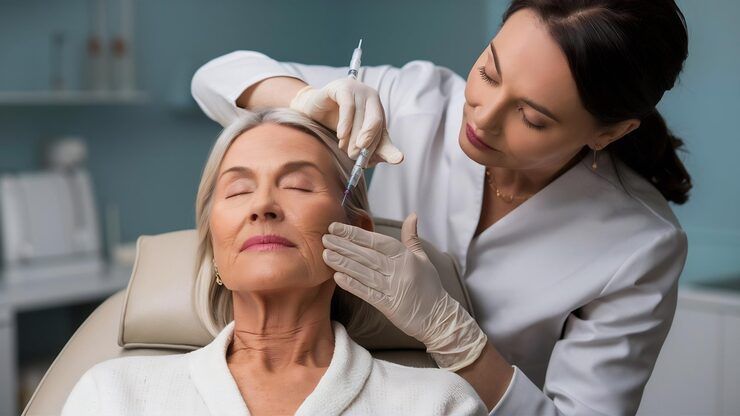
Professional dermatology procedures: Chemical peels, microneedling, laser treatments, and certain injectable procedures may address selected cosmetic concerns.
Lifestyle practices: Adequate sleep, balanced nutrition, regular physical activity, and avoiding tobacco support general health and may contribute to healthier-looking skin.
No single approach prevents all signs of aging. Understanding the purpose, limitations, and potential risks of each method is essential before making decisions.
Why Anti-Aging Treatments Matter Today
Interest in skin longevity and preventive skincare has grown as more people seek reliable information about maintaining skin health. Social media, beauty publications, and advances in dermatology have increased awareness of available treatments, but they have also made it harder to distinguish scientific evidence from exaggerated claims.
Visible skin changes can affect people differently. Some are concerned about wrinkles, while others focus on pigmentation, dryness, sun damage, or loss of firmness. Age alone does not determine which treatment is appropriate.
Skin Health and Prevention
Preventive skincare can help reduce avoidable environmental damage. Ultraviolet radiation contributes to premature wrinkles, uneven pigmentation, and an increased risk of skin cancer. Consistent sun protection is therefore relevant to both appearance and long-term health.
A basic routine commonly includes:
Gentle cleansing to remove dirt, sunscreen, and environmental residue.
Moisturizing to support the skin barrier and reduce water loss.
Broad-spectrum sunscreen with SPF 30 or higher for exposed skin.
Targeted ingredients selected according to individual concerns and tolerance.
Introducing several active ingredients simultaneously may cause irritation. Gradual changes make it easier to identify which products are suitable and which may cause unwanted reactions.
Understanding Treatment Expectations
Anti-aging treatments differ in their evidence, strength, and duration of effect. Moisturizers may temporarily reduce the appearance of fine lines caused by dryness, while prescription retinoids can improve certain signs of sun damage over time. Professional procedures may produce more noticeable changes but can involve recovery periods and medical risks.
Consumers should be cautious about claims involving complete wrinkle removal, permanent rejuvenation, or guaranteed outcomes. Skin aging cannot be entirely stopped, and treatment responses differ from person to person.
Understanding these limitations supports informed decisions and reduces the likelihood of unnecessary or unsuitable interventions.
Recent Developments in Anti-Aging Research and Skincare
Research into skin aging continues to examine how ultraviolet exposure, inflammation, cellular changes, and declining collagen levels influence skin appearance. Recent developments include improvements in sunscreen formulations, research into skin-barrier health, and greater attention to the long-term safety of cosmetic ingredients.
Sunscreen Innovation in 2026
In June 2026, the U.S. Food and Drug Administration announced the addition of bemotrizinol to its permitted active ingredients for over-the-counter sunscreens. This marked an important development in U.S. sunscreen regulation, expanding the range of ingredients available for sun protection.
Sun protection remains a central part of preventing premature skin aging. Broad-spectrum sunscreen helps protect against ultraviolet A and ultraviolet B radiation, which contribute to skin damage through different mechanisms.
Emerging Areas of Dermatology Research
Several areas continue to receive attention in anti-aging research:
Retinoids and collagen: Research continues to support the role of certain retinoids in improving fine wrinkles and other signs of photoaging.
Skin-barrier protection: Moisturizers containing ingredients such as ceramides may help maintain the skin's protective barrier.
Antioxidants: Ingredients such as vitamin C are studied for their role in protecting against oxidative stress and improving uneven pigmentation.
Regenerative approaches: Research into peptides, cellular signaling, and regenerative dermatology continues, although evidence varies considerably between approaches.
Personalized skincare: Dermatologists increasingly consider skin type, medical history, pigmentation, sensitivity, and environmental exposure when developing treatment plans.
These developments do not mean every new ingredient or procedure has proven long-term benefits. Independent clinical research remains important when evaluating safety and effectiveness.
Laws, Regulations, and Consumer Protection
Anti-aging products and procedures are governed by different laws depending on the country, the product's intended use, and the type of treatment involved. Regulations may cover ingredients, product labeling, advertising claims, practitioner qualifications, and medical-device safety.
United States Regulatory Framework
In the United States, the Food and Drug Administration (FDA) distinguishes cosmetics from drugs according to their intended use and claims. Moisturizers intended to improve the appearance of fine lines may be regulated as cosmetics, while products claiming to affect skin structure or treat a medical condition may fall under drug requirements.
The Modernization of Cosmetics Regulation Act of 2022 (MoCRA) expanded the FDA's authority over cosmetics. Among other provisions, it introduced requirements involving facility registration, product listing, adverse-event reporting, and safety substantiation, subject to applicable exemptions.
Consumers should also understand that a cosmetic product is not necessarily FDA-approved before it reaches the market. Products classified as drugs generally face different regulatory requirements.
Advertising and Treatment Safety
Advertising claims should be truthful, adequately supported, and not misleading. Claims that a treatment permanently reverses aging or guarantees a particular result may misrepresent the available evidence.
Before undergoing a procedure, consider the following:
Confirm the practitioner's relevant qualifications and experience.
Ask about possible complications, recovery time, and alternative approaches.
Check whether the treatment is appropriate for your skin type and medical history.
Review the regulatory status of the product, device, or medication involved.
Seek medical advice if you experience persistent irritation, unusual swelling, or other unexpected reactions.
People who are pregnant, breastfeeding, or managing a skin condition should consult a qualified healthcare professional before starting certain active ingredients or procedures.
Helpful Tools and Resources for Anti-Aging Skincare
Reliable resources can help people understand ingredients, compare treatment approaches, and monitor changes in their skincare routines.
Practical Skincare Tools
Ingredient trackers: Record active ingredients, concentrations when disclosed, and how frequently products are used.
Skin journals: Document dryness, irritation, pigmentation changes, and responses to new routines.
UV index forecasts: Help users plan sun-protection measures according to local ultraviolet exposure.
Dermatology consultations: Provide individualized assessments of wrinkles, pigmentation, skin texture, and other concerns.
Clinical research databases: Help readers review published studies and distinguish preliminary findings from established evidence.
Comparison of Common Approaches
Approach | Main purpose | Important consideration |
|---|---|---|
Moisturizers | Improve hydration and skin softness | Results may be temporary |
Retinoids | Address certain wrinkles and photoaging | Irritation and sun sensitivity may occur |
Vitamin C | Support antioxidant protection and pigmentation management | Formulation and stability matter |
Sunscreen | Reduce ultraviolet exposure | Regular, adequate application is important |
Chemical peels | Improve selected texture and pigmentation concerns | Strength affects risks and recovery |
Laser procedures | Address selected signs of sun damage | Results and risks depend on the device and skin type |
This comparison provides general information rather than a personalized treatment recommendation.
Frequently Asked Questions
What is the most important anti-aging skincare step?
Sun protection is one of the most important steps for reducing premature skin aging. Using broad-spectrum sunscreen, protective clothing, and shade can help limit ultraviolet damage. A suitable moisturizer also supports the skin barrier.
At what age should someone begin anti-aging skincare?
There is no universal starting age. Gentle cleansing, moisturizing, and sun protection can be useful throughout adulthood. More targeted ingredients are generally selected according to specific concerns, skin tolerance, and professional guidance rather than age alone.
Do retinoids really help reduce wrinkles?
Certain retinoids, including prescription tretinoin, have evidence supporting improvements in some fine wrinkles and signs of photoaging. Results take time and vary between individuals. Irritation is possible, and retinoids should be discussed with a healthcare professional during pregnancy or when planning pregnancy.
Are professional anti-aging procedures safe?
Professional procedures can have benefits, but safety depends on the treatment, practitioner, equipment, and individual circumstances. Possible complications include irritation, infection, pigmentation changes, scarring, and other adverse effects. A qualified professional can explain the risks and expected recovery.
Can anti-aging treatments stop the natural aging process?
No treatment has been shown to stop natural aging completely. Some approaches can improve the appearance of wrinkles, pigmentation, dryness, or texture, while healthy lifestyle habits and sun protection may help reduce avoidable damage.
Conclusion
Anti-aging treatments encompass preventive skincare, topical ingredients, professional dermatology procedures, and everyday habits that support skin health. Scientific evidence varies across these approaches, making it important to distinguish established benefits from emerging research and unsupported claims.
A consistent routine centered on sun protection, gentle cleansing, and moisturizing provides a practical starting point. More targeted treatments should be selected according to individual needs, safety considerations, and reliable clinical evidence. Understanding regulations, evaluating product claims carefully, and seeking qualified medical guidance can help people make informed decisions about long-term skin health.
Disclaimer: The information provided in this article is for informational purposes only. We do not make any claims or guarantees regarding the accuracy, reliability, or completeness of the information presented. The content is not intended as professional advice and should not be relied upon as such. Readers are encouraged to conduct their own research and consult with appropriate professionals before making any decisions based on the information provided in this article.