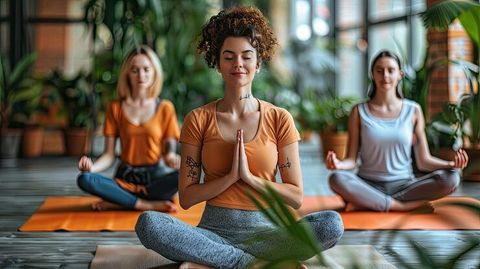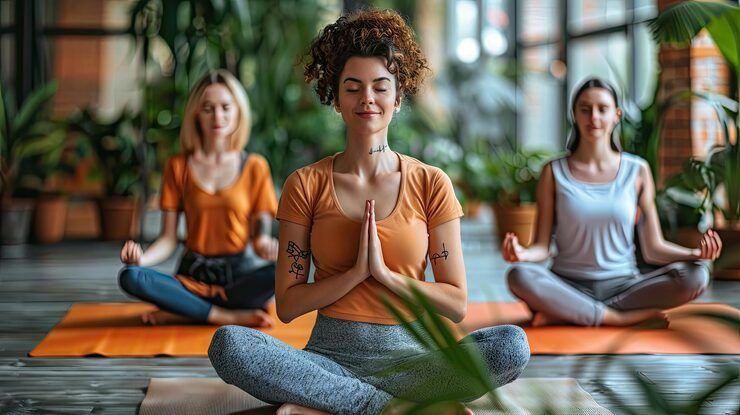
Yoga is a mind-body practice that combines physical postures, controlled breathing, concentration, and relaxation. It originated in India and has developed into several traditions and modern approaches that people use for physical activity, mental well-being, and personal awareness.
Today, yoga is practiced in homes, schools, workplaces, fitness centers, community spaces, and healthcare settings. Some people focus on movement and flexibility, while others emphasize breathing, meditation, balance, or relaxation.
Yoga is not a replacement for medical care, but research suggests that appropriately adapted yoga practices may support certain aspects of physical and psychological well-being. Its effects depend on factors such as the type of practice, frequency, individual health, and personal needs.
Understanding the Main Elements of Yoga
Yoga includes several interconnected elements that can be adapted to different experience levels.
Physical postures: Movements and positions intended to develop flexibility, strength, balance, and body awareness.
Breathing techniques: Structured breathing practices that encourage attention to breathing patterns and relaxation.
Meditation: Exercises that develop concentration and awareness of thoughts and sensations.
Relaxation: Techniques that encourage physical rest and help people transition away from daily activity.
Mindful movement: Paying attention to posture, movement, breathing, and bodily sensations during practice.
Different yoga traditions combine these elements in different proportions. A gentle restorative session may emphasize relaxation, while a more physically demanding style may involve sustained postures and continuous movement.
Physical Health Benefits of Yoga
Yoga can contribute to physical fitness by combining movement, balance, flexibility, and muscular engagement. The level of physical effort varies considerably between styles.
Flexibility, Strength, and Balance
Regular practice can help improve flexibility and balance. Standing postures may develop leg strength, while supported poses and controlled transitions can improve body awareness.
Potential benefits include:
Improved range of motion
Better postural awareness
Increased muscular endurance
Improved balance and coordination
Support for regular physical activity
Results vary between individuals. Yoga can complement other forms of exercise, including walking, aerobic activity, and strength training.
Back Pain and Joint Comfort
Research reviewed by the US National Center for Complementary and Integrative Health suggests that yoga may provide small improvements in pain and physical function for some people with chronic lower-back pain.
Gentle, adapted movements may also help some people manage stiffness and improve movement confidence. However, yoga is not appropriate for every injury or medical condition. Persistent or severe pain requires professional assessment.
Sleep and Daily Energy
Relaxation, breathing exercises, and gentle movement may support better sleep for some people. A consistent routine can also help establish a regular transition between daytime activities and rest.
Yoga should not be treated as a guaranteed solution for insomnia or persistent fatigue. These symptoms can have several causes and may require medical evaluation.
Mental Health and Emotional Well-Being
Yoga combines physical activity with attention to breathing and bodily sensations. This combination may help some people manage everyday stress and improve their awareness of emotional responses.
Stress Management
Slow breathing, gentle movement, and relaxation can create a structured break from daily demands. Some research suggests that yoga may reduce perceived stress, although results depend on the population and the type of practice studied.
Anxiety and Mood
Studies indicate that yoga may help reduce some anxiety or depressive symptoms in certain populations. However, the evidence is not equally strong for every mental health condition.
Yoga should be considered a complementary practice rather than a replacement for psychological therapy, prescribed medication, or other recommended treatment.
Concentration and Mindfulness
Paying attention to movement and breathing can encourage present-moment awareness. Some practitioners find this useful when managing distractions or developing a more deliberate daily routine.
These effects are individual, and yoga does not guarantee improved concentration or emotional stability.
Recent Developments and Trends
Yoga research and public health initiatives continue to examine how traditional practices can fit into modern lifestyles.
International Day of Yoga 2026
On June 21, 2026, the United Nations and participating countries marked the 12th International Day of Yoga. The official theme was “Yoga for Healthy Ageing.”
The theme emphasized mobility, balance, strength, independence, and mental well-being throughout the ageing process. It also reflected wider interest in physical activities that can be adapted for different ages and abilities.
Growing Interest in Healthy Ageing
Public health discussions increasingly recognize the importance of maintaining mobility and independence as people grow older.
Adapted yoga can be one component of a broader approach that includes strength training, balance exercises, suitable nutrition, social participation, and routine healthcare.
Chair-based yoga and supported standing postures may help some older adults participate when floor-based movements are difficult. Individual abilities and medical considerations should guide the choice of practice.
Research and Evidence Quality
Research continues to examine yoga's potential role in managing stress, chronic pain, sleep difficulties, and certain symptoms associated with long-term health conditions.
Results should be interpreted carefully. Studies often use different yoga styles, session lengths, comparison groups, and outcome measurements. Larger and better-designed studies are still needed for several applications.
Laws, Policies, and Public Health Programs
Yoga is practiced internationally, so the applicable rules depend on the country and the setting in which it takes place.
India's Yoga Initiatives
India's Ministry of AYUSH coordinates national initiatives relating to traditional systems of health and wellness, including yoga.
The International Day of Yoga, established by a United Nations resolution in December 2014, is observed annually on June 21. Public events and educational activities help raise awareness of yoga's historical background and contemporary practice.
Health and Safety Considerations
Yoga classes and wellness programs may be subject to local rules concerning public facilities, instructor qualifications, business operations, and consumer protection. Requirements vary by jurisdiction.
People should be cautious about unsupported medical claims. Yoga should not be described as a guaranteed cure for chronic disease or mental health conditions.
Safe Participation
The US National Center for Complementary and Integrative Health advises that yoga is generally considered safe for healthy people when practiced appropriately, but injuries can occur.
Important precautions include:
Start with movements suited to your experience.
Avoid forcing stretches or holding painful positions.
Use appropriate support when balance is uncertain.
Seek guidance from a qualified instructor.
Discuss individual limitations with a healthcare professional when necessary.
Stop if a movement causes sharp pain, dizziness, or unusual discomfort.
People who are pregnant, have existing injuries, or have conditions affecting balance, blood pressure, joints, or the spine may need modified exercises.
Tools and Resources for Yoga Practice
Practical resources can help people develop a routine that matches their experience and physical abilities.
Guided Practice and Learning
Beginner classes, instructional videos, and structured yoga programs can help explain posture alignment, breathing, and movement transitions.
Choose resources that explain modifications and safety rather than emphasizing extreme flexibility or rapid progress.
Basic Equipment
Common items include:
A stable, nonslip yoga mat
Yoga blocks for support
A strap for modified stretches
A firm cushion or folded blanket
A stable chair for supported practice
Comfortable clothing that allows movement
Equipment needs depend on the chosen style. Many gentle routines require little beyond a suitable space and stable support.
Progress Tracking
A simple practice log can record session duration, chosen movements, perceived effort, sleep quality, and general comfort.
Tracking Measure | What to Record |
|---|---|
Practice frequency | Sessions completed each week |
Session duration | Minutes spent practicing |
Flexibility | Comfortable range of movement |
Balance | Stability during suitable postures |
Stress | Personal rating before and after practice |
Sleep | General sleep quality and consistency |
These records can help identify patterns, but they are not diagnostic tools. Progress should be assessed over time rather than judged from a single session.
Frequently Asked Questions
Can beginners practice yoga?
Yes. Beginners can start with gentle movements, basic breathing exercises, and short sessions. Choosing a suitable class and learning correct alignment can help reduce the risk of injury.
How often should yoga be practiced?
Frequency depends on personal goals, health, and available time. Some people begin with two or three short sessions each week and adjust gradually. Consistency and appropriate intensity matter more than forcing a demanding schedule.
Can yoga improve mental health?
Yoga may help some people manage stress and reduce certain anxiety or depressive symptoms. Evidence varies by condition, and yoga should complement rather than replace appropriate mental healthcare.
Is yoga suitable for older adults?
Many older adults can practice adapted yoga, including chair-based or supported movements. Individual mobility, balance, joint health, and other medical considerations should determine which exercises are appropriate.
Does yoga replace other forms of exercise?
No. Yoga can contribute to flexibility, balance, and strength, depending on the style, but it may not provide enough aerobic activity or resistance training on its own. A balanced physical activity routine can include several forms of movement.
Conclusion
Yoga for physical and mental health combines movement, breathing, attention, and relaxation in a practice that can be adapted to different ages and abilities. Research suggests potential benefits for flexibility, balance, stress management, sleep, and some forms of persistent pain, although the strength of evidence varies.
Recent public health initiatives, including International Day of Yoga 2026 and its theme of healthy ageing, highlight the relevance of adaptable physical activity throughout life.
Safe practice depends on appropriate movement, realistic expectations, suitable instruction, and awareness of individual limitations. When combined with other healthy habits and appropriate healthcare, yoga can be a useful part of a balanced approach to physical fitness and mental well-being