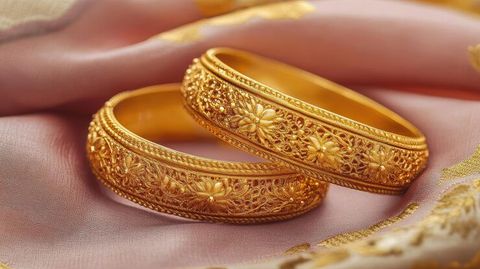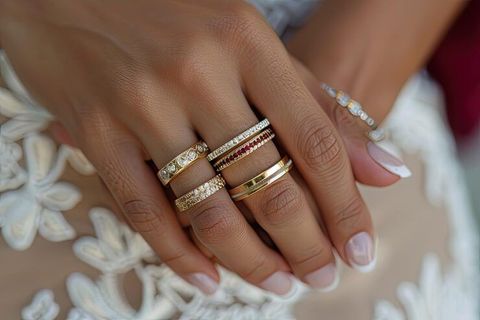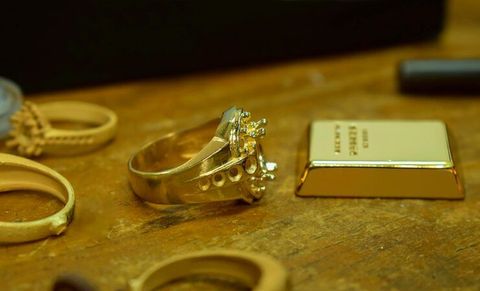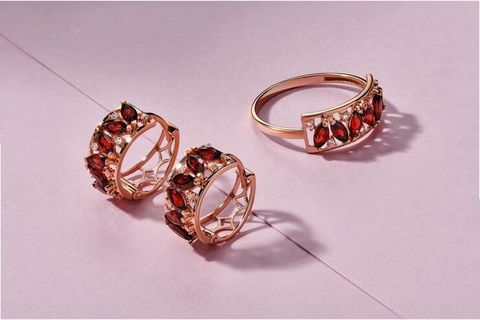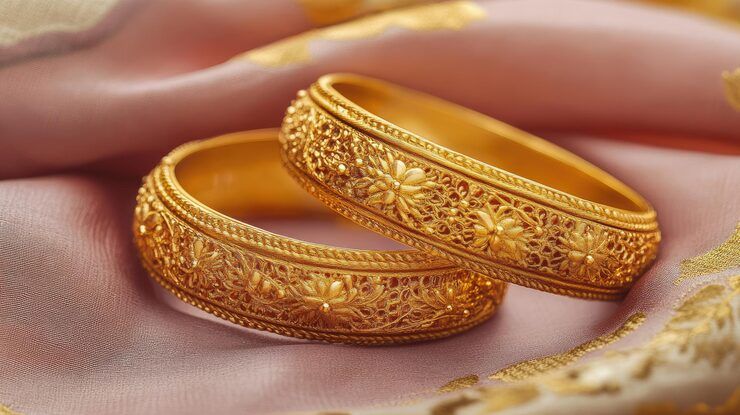
Traditional gold bangles are circular ornaments worn around the wrist and recognized across many cultures for their craftsmanship, symbolism, and decorative value. They appear in different forms throughout South Asia, the Middle East, Africa, and other regions, with designs reflecting local traditions, artistic techniques, and historical influences.
Gold bangles can be simple and polished or decorated with engraved patterns, gemstones, textured surfaces, and intricate motifs. Their appearance depends on the gold alloy, manufacturing method, regional design traditions, and intended use.
In India, traditional gold bangles are particularly associated with weddings, festivals, family celebrations, and cultural ceremonies. In other regions, similar ornaments may represent family heritage, personal identity, artistic expression, or important life events.
Understanding Traditional Gold Bangles
Traditional bangles generally have a circular or slightly oval shape. Unlike many bracelets that open with a clasp, some bangles are rigid and must be slipped over the hand. Others include hinges or locking mechanisms for easier wear.
Their construction varies according to design and intended function.
Plain gold bangles: Simple surfaces with polished or matte finishes.
Engraved bangles: Decorative patterns carved or stamped into the metal.
Filigree bangles: Designs incorporating fine, delicate gold wires.
Antique-style bangles: Pieces with aged finishes and traditional motifs.
Gemstone bangles: Designs incorporating precious or decorative stones.
Temple-inspired bangles: Pieces featuring motifs influenced by religious art and traditional sculpture.
Kada-style bangles: Often thicker ornaments with substantial profiles and detailed decoration.
Gold Purity and Common Alloys
Pure gold is relatively soft, so jewelry is frequently made using gold alloys containing other metals to improve durability and influence color.
Gold purity is commonly expressed in karats or fineness. The karat system uses 24 parts to represent pure gold.
| Gold Purity | Approximate Gold Content | General Characteristics |
|---|---|---|
| 24K | 99.9% or higher, depending on specification | Very high purity and relatively soft |
| 22K | 91.67% | Traditional yellow-gold jewelry alloy |
| 18K | 75% | Greater proportion of alloying metals |
| 14K | 58.5% | Often harder and more resistant to deformation |
| 9K | 37.5% | Lower gold content where legally recognized |
Actual composition depends on the applicable purity standard. The suitability of each alloy depends on the design, thickness, wear conditions, and manufacturing quality.
Craftsmanship and Manufacturing Techniques
Gold bangles can be produced through several methods. Traditional techniques may involve hand engraving, hammering, casting, soldering, wirework, and surface finishing.
Modern manufacturing can combine computer-aided design, precision casting, laser engraving, and automated polishing with manual finishing.
The choice of technique affects the final appearance, structural strength, weight, and level of decorative detail.
Why Traditional Gold Bangles Matter
Gold bangles have significance beyond their appearance. They connect jewelry craftsmanship with cultural practices, family traditions, personal expression, and material heritage.
Cultural and Family Significance
In several South Asian communities, gold bangles are associated with weddings, religious festivals, and family celebrations. Particular colors, patterns, and combinations may carry meanings that vary between regions and communities.
For some families, traditional jewelry is passed between generations. Such pieces can preserve information about earlier craftsmanship, family history, and changing design preferences.
Cultural meanings should not be treated as universal, because customs differ across countries, religions, communities, and individual families.
Craftsmanship and Artistic Heritage
Traditional gold bangles demonstrate specialized metalworking skills. Fine engraving, filigree, textured surfaces, and detailed motifs require careful control of the material and manufacturing process.
Jewelry-making traditions can also support the preservation of regional artistic knowledge. Documenting techniques and patterns helps researchers understand how craft practices evolve over time.
Material and Financial Considerations
Gold bangles contain a measurable quantity of precious metal, making purity and weight important factors in understanding their material composition.
However, jewelry valuation involves more than gold content. Design complexity, gemstone quality, workmanship, condition, and documented provenance can influence how an individual piece is assessed.
Gold prices also fluctuate with international market conditions, currency movements, and broader economic developments. No particular jewelry design guarantees future financial returns.
Recent Trends and Developments
Traditional gold bangles continue to evolve as jewelry design, manufacturing technology, consumer preferences, and precious-metal markets change.
Traditional Designs With Modern Styling
Recent jewelry design trends have continued to combine traditional motifs with contemporary proportions. Examples include slim bangles worn in groups, wider statement pieces, geometric engraving, and simpler designs inspired by historic patterns.
Some designs combine polished and textured surfaces to create contrast without relying on elaborate decoration.
These developments demonstrate that traditional jewelry can be adapted to different clothing styles and occasions while retaining recognizable cultural influences.
Digital Jewelry Design
Computer-aided design and three-dimensional modeling allow jewelry designers to test proportions, patterns, and structural features before production.
Digital techniques can help evaluate how decorative details fit around a circular form and identify areas that may require additional support.
Precision casting and laser-based engraving can also reproduce complex patterns, although hand finishing remains important for many traditional designs.
Gold Market Volatility in 2025–2026
Gold prices experienced substantial movement during 2025 and continued to attract attention in 2026. International demand, central-bank activity, geopolitical uncertainty, interest-rate expectations, and currency changes all influence gold markets.
These changes can affect the underlying metal value of gold jewelry, but they do not determine the full value of an individual bangle.
For accurate market information, consult recognized market-data sources and check the date, currency, purity basis, and measurement unit attached to each quoted gold price.
Responsible Jewelry Practices
Jewelry-sector discussions increasingly include metal traceability, responsible sourcing, recycled precious metals, and supply-chain transparency.
These topics are relevant because gold extraction and processing can have environmental and social consequences. However, claims about responsible sourcing should be supported by appropriate documentation rather than inferred from a design or product description.
Gold Hallmarking Laws and Consumer Protection
Gold jewelry regulations vary by country. Hallmarking systems generally help identify precious-metal purity and support more consistent consumer information.
Hallmarking in India
India's Bureau of Indian Standards operates the hallmarking framework for gold jewelry and related articles. The system includes recognized purity grades, hallmarking procedures, and identifying information.
The Hallmark Unique Identification number, commonly called HUID, is used to identify individually hallmarked gold jewelry under the applicable system.
Consumers should check the current BIS hallmarking requirements and verify relevant details through official BIS resources.
Understanding Hallmark Information
When examining a gold bangle, useful details may include:
Purity grade, such as 22K or 18K
Hallmark identification
HUID, where applicable
Manufacturer or jeweler documentation
Recorded weight
Any separately identified stones or non-gold components
A hallmark is evidence of a recognized purity-assessment process, but it does not automatically establish the artistic value, age, or historical authenticity of a piece.
International Differences
Other countries use their own precious-metal marking systems and legal standards. Requirements for minimum gold content, hallmarking, exemptions, and seller disclosures can differ.
People examining jewelry across international markets should consult the relevant national standards authority rather than assuming that one country's marking system applies everywhere.
Tools and Resources for Gold Bangles
Several resources can help people understand jewelry purity, craftsmanship, and gold-market information.
Gold Purity Calculator
A basic purity calculation can estimate the quantity of pure gold represented by a piece's total metal weight.
For example, a 20-gram bangle made from a 22K alloy contains approximately 18.33 grams of gold by nominal purity:
20 grams × 22 ÷ 24 = 18.33 grams
This calculation does not account for stones, non-gold components, manufacturing differences, or the results of a formal purity test.
Gold Price Information
Recognized market-data platforms publish gold prices in different currencies and measurement units. Before comparing figures, check whether the price refers to a troy ounce, gram, kilogram, or a particular purity level.
Market prices can change throughout the trading day and may differ from the final value assigned to finished jewelry.
Hallmark Verification
In India, the BIS Care application and official Bureau of Indian Standards resources can help consumers examine relevant hallmark information and understand current hallmarking requirements.
Jewelry Care Resources
Useful jewelry-care guidance includes recommendations on cleaning, storage, inspection, and protection from chemicals.
Practical precautions include:
Store bangles separately to reduce scratches.
Avoid exposing delicate settings to harsh chemicals.
Have loose stones or damaged clasps examined by a qualified professional.
Use cleaning methods appropriate to the gold alloy and any gemstones.
Keep documentation for pieces with historical or family significance.
Frequently Asked Questions
What is the difference between 22K and 18K gold bangles?
Nominally, 22K gold contains about 91.67% gold, while 18K gold contains 75%. The remaining material consists of alloying metals. The difference affects purity, color, hardness, and suitability for particular designs.
How can gold bangle purity be checked?
Look for the applicable hallmark and identifying information, and use the official verification system where available. If uncertainty remains, seek an assessment from an appropriately qualified testing facility.
Are traditional gold bangles suitable for everyday wear?
Suitability depends on the alloy, thickness, construction, fit, and type of activity. Delicate engraving, gemstones, and thin sections may require additional care, while rigid bangles can be susceptible to bending if subjected to impact.
What determines the value of a traditional gold bangle?
Relevant factors include gold purity, metal weight, current gold-market conditions, workmanship, gemstone characteristics, condition, and documented historical significance. These factors can affect valuation differently for different pieces.
How should traditional gold bangles be maintained?
Store them separately, inspect them periodically for damage, and use cleaning methods suitable for their materials. Avoid harsh chemicals and have structural damage or loose settings assessed before continued wear.
Conclusion
Traditional gold bangles combine precious-metal craftsmanship with cultural heritage and personal expression. Their designs reflect regional traditions, historical influences, and changing approaches to jewelry manufacturing.
Understanding gold purity, alloy composition, construction methods, hallmarking, and responsible sourcing provides a clearer picture of how these ornaments are made and evaluated. Modern digital design and precision manufacturing continue to expand decorative possibilities while traditional techniques remain important to many jewelry-making communities.
For anyone researching traditional gold bangles, reliable hallmark information, documented material specifications, recognized market data, and appropriate care guidance provide a practical foundation for understanding their characteristics and long-term preservation.