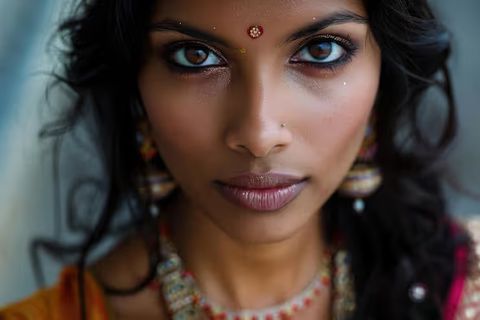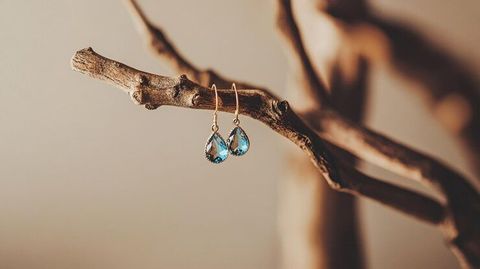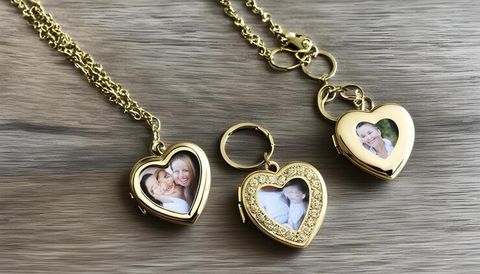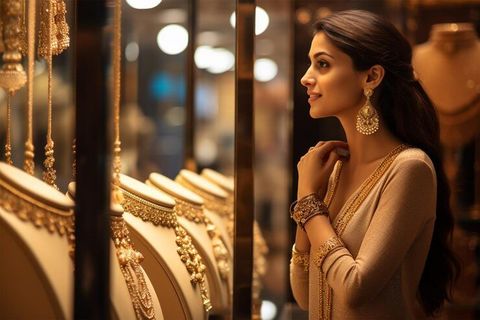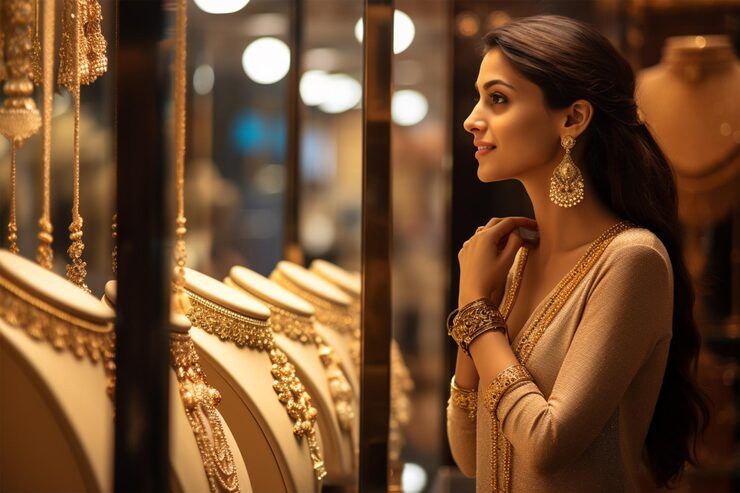
Gold jewellery has long held cultural, artistic, and personal significance across many regions. During festive celebrations and wedding seasons, it often represents family traditions, craftsmanship, heritage, and important life milestones. In 2026, gold jewellery trends reflect a combination of traditional designs, contemporary styling, individual preferences, and changing approaches to jewellery selection.
The festive and wedding seasons bring attention to necklaces, earrings, bangles, bracelets, rings, and other gold ornaments. While traditional jewellery remains important for ceremonies, modern designs are also influencing everyday styling and wedding wardrobes.
Gold jewellery trends are shaped by several factors, including fashion preferences, regional customs, gold purity, craftsmanship, design innovation, and international jewellery markets. Understanding these factors can help people compare different styles and make informed decisions based on personal preferences and practical requirements.
Traditional Designs and Modern Interpretations
Traditional gold jewellery includes temple-inspired ornaments, intricate filigree work, antique finishes, layered necklaces, and elaborate bridal sets. These styles often incorporate motifs drawn from architecture, nature, mythology, and regional artistic traditions.
Modern interpretations may retain familiar shapes while introducing lighter structures, geometric patterns, or simpler decorative details. This combination allows traditional designs to complement contemporary clothing and changing personal styles.
Popular categories include:
Gold bridal necklaces: Statement pieces designed to complement wedding attire and ceremonial clothing.
Gold jhumka earrings: Traditional bell-shaped earrings that remain relevant across different festive styles.
Gold bangles and kadas: Circular ornaments associated with cultural traditions and coordinated jewellery sets.
Layered gold chains: Multiple chain lengths that create a structured appearance.
Gold cocktail rings: Decorative rings featuring distinctive shapes, textures, or gemstone accents.
Minimalist gold jewellery: Fine chains, small hoops, delicate pendants, and understated bracelets.
These categories represent established design directions rather than a guarantee that every style will be equally popular in every region.
Why Gold Jewellery Trends Matter in 2026
Festive and wedding jewellery choices involve more than appearance. People often consider cultural significance, comfort, durability, metal purity, design versatility, and long-term family use. Understanding current trends can help individuals select pieces that complement different outfits and occasions without overlooking practical considerations.
Changing Preferences Among Jewellery Wearers
One noticeable direction in 2026 is the combination of visual impact and everyday practicality. Elaborate bridal jewellery remains relevant, while lighter necklaces, smaller earrings, stackable bangles, and adaptable designs appeal to people who prefer pieces that can be worn after a celebration.
Important considerations include:
Comfort: Jewellery worn during long wedding ceremonies should fit securely and feel manageable.
Versatility: Neutral designs can complement traditional clothing, formal outfits, and contemporary styles.
Craftsmanship: Finishing, clasps, stone settings, and construction influence durability.
Purity: Gold fineness affects colour, composition, and suitability for different designs.
Cultural relevance: Regional motifs and traditional ornaments remain meaningful for many families.
Balancing Tradition and Practicality
A wedding jewellery collection may include one statement necklace for a principal ceremony and smaller pieces for other occasions. Detachable pendants, adjustable chains, and coordinated earrings can provide additional styling flexibility.
These choices are particularly relevant when several events occur across a festive period. Rather than treating every occasion as requiring a completely different jewellery style, people can coordinate a smaller collection around clothing colours, necklines, and personal preferences.
Recent Gold Jewellery Developments in 2025–2026
Gold jewellery trends in 2026 reflect both design changes and wider developments in the gold market. Industry reporting indicates that elevated gold prices have encouraged greater attention to lighter designs, lower-carat options in suitable categories, and the versatility of individual pieces.
Lighter Bridal Jewellery and Contemporary Heritage
A May 2026 discussion from the Indian Institute of Gems and Jewellery highlighted a direction toward statement pieces with more wearable proportions, including chokers, layered necklaces, Polki-inspired designs, Kundan jewellery, and refined antique finishes.
Other emerging design directions include:
Layered necklaces that combine different lengths and textures.
Floral and architectural motifs inspired by traditional craftsmanship.
Lightweight gold bangles and earrings with detailed finishing.
Contemporary mangalsutra designs featuring simpler chains and pendants.
Coordinated jewellery for brides, grooms, and wedding guests.
Detachable components that allow pieces to be styled in different ways.
These are industry-observed directions, not universal preferences. Regional traditions, personal taste, and wedding attire continue to influence jewellery choices.
Gold Prices and Consumer Preferences
On July 30, 2026, the World Gold Council reported that Indian gold jewellery demand had recovered quarter over quarter in the second quarter but remained lower than the same period in 2025. Higher gold prices were encouraging a shift toward lighter-weight and lower-carat jewellery, while wedding and festive occasions continued to support demand.
This market environment helps explain the growing attention to design efficiency. Smaller ornaments, carefully selected statement pieces, and versatile jewellery can preserve a distinctive appearance without requiring a large quantity of gold.
Gold Jewellery Design Comparison
Design direction | Typical features | Common occasions |
|---|---|---|
Traditional bridal | Layered necklaces, intricate motifs | Weddings and ceremonies |
Antique-inspired | Textured surfaces, heritage patterns | Festivals and traditional events |
Minimalist gold | Fine chains, small hoops, simple pendants | Everyday wear and gatherings |
Contemporary statement | Sculptural shapes, bold earrings | Receptions and evening events |
Versatile jewellery | Detachable pendants, adjustable designs | Multiple celebrations |
Laws and Policies Affecting Gold Jewellery in India
Gold jewellery is subject to rules covering purity identification, hallmarking, consumer protection, and applicable taxation. Understanding these requirements helps people interpret jewellery markings and documentation accurately.
BIS Hallmarking and HUID
The Bureau of Indian Standards (BIS) administers India's hallmarking framework for precious-metal jewellery. Hallmarking indicates the assessed purity of the metal and helps protect consumers against misrepresentation.
A hallmarked gold jewellery item covered by the applicable framework generally carries three important identifiers:
The BIS logo.
The purity mark, expressed through caratage and fineness.
A six-character alphanumeric Hallmark Unique Identification (HUID) number.
The HUID provides an identification mechanism for an individual hallmarked item. Consumers can use the BIS CARE application to check HUID details.
Hallmarking Updates During 2025 and 2026
India expanded the geographical coverage of mandatory hallmarking in phases. In March 2026, the government announced that seven additional districts were included in the sixth phase, bringing the total number of covered districts to 380 at that time.
The applicable requirements depend on the relevant hallmarking order, location, and any exemptions. Consumers should check the current rules rather than assuming that every category of gold article is treated identically.
Other Relevant Considerations
The Consumer Protection Act, 2019, provides a framework addressing unfair trade practices and consumer rights. Accurate product descriptions, transparent purity information, and appropriate documentation are important aspects of consumer protection.
Gold jewellery transactions in India are also subject to applicable Goods and Services Tax provisions. Tax treatment and documentation requirements should be checked against current rules when evaluating a transaction.
Hallmarking verifies metal purity; it does not independently establish the artistic value, rarity, resale value, or long-term market performance of a jewellery piece.
Tools and Resources for Gold Jewellery Research
Several tools can help people understand gold purity, compare jewellery designs, and plan a coordinated festive or wedding collection.
Useful Tools
BIS CARE application: Helps verify the HUID of eligible hallmarked gold jewellery.
Gold purity calculator: Converts carat ratings into approximate gold fineness percentages.
Gold weight calculator: Helps estimate the pure-gold content of an ornament based on its weight and purity.
Jewellery design catalogues: Provide visual references for necklace styles, earrings, bangles, and bridal sets.
Digital jewellery planners: Help coordinate ornaments with outfits, event schedules, and colour palettes.
Gold market reports: Explain changes in gold demand, market conditions, and jewellery consumption trends.
Understanding Gold Purity
Gold purity is commonly expressed in carats. Higher caratage generally indicates a greater proportion of gold, while lower caratage indicates a larger proportion of other metals.
Gold purity | Approximate gold content | Common characteristics |
|---|---|---|
24K | 99.9% for 999 fineness | Very high purity |
22K | 91.6% for 916 fineness | Common in traditional jewellery |
18K | 75.0% for 750 fineness | Often used in gemstone jewellery |
14K | 58.5% for 585 fineness | Often used in contemporary designs |
The suitability of a purity level depends on the intended design, construction, and wearing conditions. Alloy composition also affects colour, hardness, and other physical properties.
Frequently Asked Questions
Which gold jewellery styles are popular for weddings in 2026?
Traditional necklaces, Kundan-inspired designs, antique finishes, layered chains, statement earrings, and lighter bridal sets are notable design directions. Popularity varies by region, clothing style, and personal preference.
Is lightweight gold jewellery suitable for weddings?
Yes. Lightweight designs can be suitable for ceremonies, receptions, and other celebrations. Their suitability depends on the desired appearance, construction quality, comfort, and the traditions associated with the occasion.
What is the difference between 22K and 18K gold jewellery?
22K gold contains approximately 91.6% gold, while 18K gold contains 75% gold. The remaining metals influence durability, colour, and suitability for particular designs. The best choice depends on how the jewellery is constructed and intended to be worn.
How can gold jewellery purity be checked in India?
Look for the applicable BIS hallmark and HUID identification on eligible hallmarked jewellery. The HUID can be checked through the BIS CARE application. For additional concerns, a recognised assaying and hallmarking centre can provide information about purity testing.
How can jewellery be coordinated across several wedding events?
Choose a consistent design theme and vary the scale of the ornaments according to each occasion. A statement necklace may complement a principal ceremony, while smaller earrings, delicate chains, and simple bangles can suit pre-wedding gatherings and receptions.
Conclusion
Gold jewellery trends for the 2026 festive and wedding season combine traditional craftsmanship with contemporary styling and practical design. Heritage-inspired necklaces, statement earrings, lightweight bridal sets, minimalist chains, and versatile ornaments reflect the range of preferences shaping the jewellery landscape.
Market conditions and changing consumer preferences have also increased attention to gold purity, weight, durability, and flexibility across different occasions. At the same time, hallmarking regulations and reliable verification tools remain important for understanding jewellery quality.
By considering design, comfort, cultural significance, metal purity, and intended use together, individuals can make informed decisions about festive and wedding jewellery while appreciating the craftsmanship and traditions behind these enduring ornaments.