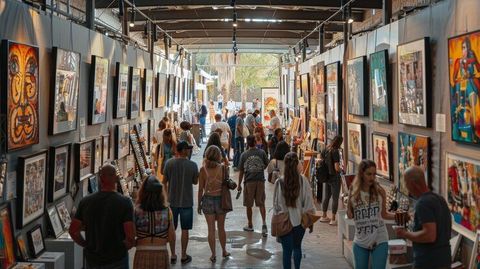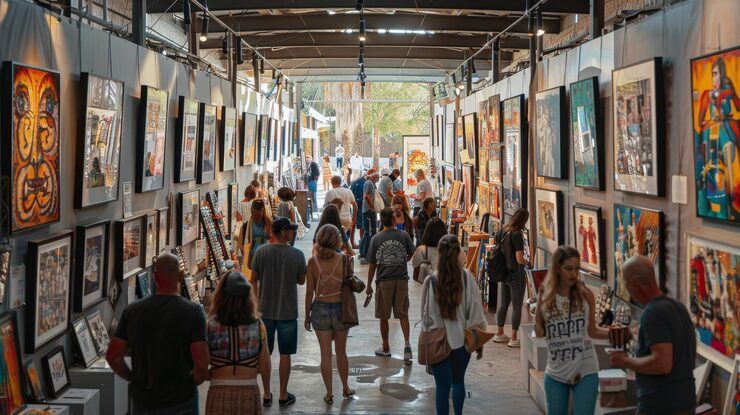
Fine art travel and auctions bring together cultural tourism, art history, collecting traditions, and the international art market. From historic galleries in Europe to contemporary art exhibitions in Asia and major auction events in the United States, these activities help people understand how artworks are created, preserved, documented, and exchanged between collectors and institutions.
Art-related travel can include visits to museums, artist studios, heritage buildings, galleries, biennales, and auction houses. Auctions provide a structured setting where paintings, sculptures, photographs, decorative objects, and other artistic works are presented for public bidding or private treaty arrangements, depending on the organizer.
Understanding the relationship between art travel and auctions requires knowledge of cultural history, artwork authentication, provenance research, international regulations, and changing market conditions. These subjects are relevant to tourists, researchers, collectors, students, artists, and cultural organizations.
Understanding Fine Art Travel
Fine art travel refers to journeys planned around artistic and cultural experiences. Travelers may explore famous collections, visit places associated with renowned artists, attend exhibitions, or study regional art traditions.
Popular destinations include Paris for its historic museums, Florence for Renaissance art, London for major galleries and auction events, New York for modern and contemporary art, and Hong Kong for its international art market.
Travel experiences can also extend beyond major cities. Rural communities, historic towns, and indigenous cultural centers preserve artistic traditions that provide important insights into local identity and history.
Common activities include:
Visiting museums, galleries, and sculpture parks.
Attending art fairs, biennales, and cultural festivals.
Exploring historic architecture and artist heritage sites.
Participating in guided art history walks and educational workshops.
Observing public exhibitions and auction previews.
Studying conservation methods and traditional craftsmanship.
How Fine Art Auctions Work
Fine art auctions are organized events in which artworks are presented to prospective participants under specified conditions. Depending on the auction format, participants may bid in person, online, by telephone, or through an authorized representative.
Before an auction, the organizer typically publishes a catalogue containing descriptions, dimensions, medium, attribution, condition information, and relevant ownership history where available. Some catalogues include estimated price ranges, exhibition records, and references to published art history research.
The usual auction process involves several stages:
Consignment and review: An artwork is submitted for consideration, and its documentation and condition may be examined.
Catalogue preparation: Relevant details are recorded, and an attribution or estimated range may be published where appropriate.
Preview and research: Interested participants inspect the artwork or review available condition reports.
Bidding: Participants submit bids according to the published rules.
Settlement and delivery: The successful participant completes payment and follows the applicable collection, shipping, tax, and export procedures.
An auction estimate is an informed assessment rather than a guarantee of the final result. Actual outcomes depend on demand, rarity, condition, provenance, market sentiment, and other factors.
Why Fine Art Travel and Auctions Matter Today
Fine art travel supports cultural education by connecting visitors with original artworks, historic places, and creative communities. Seeing an artwork in person can reveal details of scale, texture, materials, and technique that may be difficult to appreciate through a digital image.
Auctions contribute to the documentation and circulation of artworks. Public auction records can help researchers study artistic movements, historical demand, price changes, and the influence of major collections. However, auction results represent only part of the art market and should not be treated as a complete measure of an artist's cultural importance.
These activities are relevant to several groups:
Cultural travelers: People interested in art history, architecture, museums, and regional traditions.
Art historians and students: Researchers examining artistic techniques, historical periods, and ownership records.
Collectors and curators: Individuals evaluating artworks, documentation, authenticity, and collection histories.
Conservation professionals: Specialists studying preservation methods and the effects of age, climate, and transportation.
Cultural institutions: Museums and heritage organizations that preserve collections and share knowledge with the public.
Art travel can also contribute to local economies through accommodation, transport, museums, restaurants, and cultural events. Its wider impact depends on visitor management, heritage protection, and the participation of local communities.
Important Factors in Art Market Research
Anyone studying fine art auctions should distinguish between an artwork's historical importance and its financial valuation. A work by a historically significant artist may attract limited bidding because of its condition, documentation, subject matter, or current demand.
Before interpreting an auction result, consider the following factors:
Provenance: The documented history of an artwork's ownership.
Authentication: Evidence supporting the attribution of a work to a particular artist.
Condition: Physical deterioration, restoration, alterations, and conservation history.
Rarity: The availability of comparable works by the same artist.
Market demand: Interest among collectors, institutions, and researchers.
Transaction terms: The auction house's published conditions, applicable taxes, and additional charges.
High-CPC research topics associated with this field include fine art valuation, art investment analysis, art auction results, artwork provenance research, antique painting appraisal, art market trends, art collection management, and international art logistics. These phrases describe specialized research areas; actual advertising costs and search demand vary by location, competition, and campaign settings.
Recent Developments in Fine Art Travel and Auctions
Global Art Market Trends in 2025–2026
The Art Basel and UBS Global Art Market Report 2026, released in March 2026, found that global art market sales increased by 4% in 2025, reaching an estimated $59.6 billion. This followed two years of declining market values, although the recovery was uneven across regions and categories.
Public auction sales increased by 9% to $20.7 billion in 2025, while private auction sales declined by 5% to just under $4.2 billion. These figures indicate a stronger year for public bidding, particularly at the higher end of the market.
The following table summarizes selected findings from the report.
| Market indicator | 2025 result |
|---|---|
| Global art market sales | $59.6 billion |
| Year-on-year global growth | 4% |
| Public auction sales | $20.7 billion |
| Growth in public auction sales | 9% |
| Dealer-sector sales | $34.8 billion |
| Growth in dealer-sector sales | 2% |
Source: Art Basel and UBS Global Art Market Report 2026. Figures are estimates for 2025, reported in 2026.
Digital Research and Online Auction Participation
Digital catalogues, virtual exhibitions, online bidding platforms, and high-resolution artwork images have made it easier to research collections before traveling. Participants can compare auction records, examine available documentation, and review exhibition schedules without visiting every institution in person.
However, digital access does not eliminate the need for careful examination. Images may not reveal surface damage, restoration, framing issues, or differences in materials. For significant works, in-person inspection and professional condition reports remain valuable.
The 2026 global art market research also found that online sales declined to $9.2 billion in 2025, their lowest level since 2019, as activity shifted back toward in-person channels. Online-only auctions nevertheless remained relevant, particularly for new participants and lower- to mid-priced works.
Changing Collector Interests
Research published in October 2026 by Art Basel and UBS reported growing interest in younger collectors and the increasing role of artificial intelligence in art research. These developments point toward a market in which digital discovery and established expertise increasingly operate together.
For art travelers, this creates opportunities to explore emerging artists, regional art scenes, contemporary exhibitions, and digital archives alongside traditional museums and historic collections. Nevertheless, popularity on digital platforms does not independently establish authenticity, historical significance, or long-term financial value.
Laws and Policies Affecting Fine Art Travel and Auctions
Fine art travel and international auction activity are influenced by cultural heritage laws, customs regulations, tax rules, intellectual property protections, and restrictions on the movement of historical objects. Requirements differ by country, and travelers should check the rules of both the country of origin and the destination.
Cultural Heritage Protection
The UNESCO 1970 Convention establishes an international framework for preventing the illicit import, export, and transfer of cultural property. Participating countries implement relevant measures through their own national laws. Depending on the object and jurisdiction, export permits, ownership records, or other documentation may be required.
Import, Export, and Customs Requirements
Before transporting an artwork internationally, travelers and collectors should investigate:
Export permits for protected paintings, antiques, archaeological objects, and cultural artifacts.
Customs declarations and applicable import taxes.
Documentation establishing provenance and lawful ownership.
Packaging and transportation requirements for fragile artworks.
Restrictions involving materials derived from protected wildlife.
Some objects may be subject to additional environmental regulations, particularly when they contain ivory, tortoiseshell, or other protected wildlife materials.
Auction Rules and Consumer Protection
Auction houses generally publish conditions explaining bidding procedures, payment deadlines, authenticity statements, buyer premiums, and dispute processes. Participants should read these terms carefully because estimates, guarantees, and authenticity policies differ between organizations.
For international travel, confirm current visa requirements, museum photography rules, exhibition access arrangements, and any restrictions on carrying cultural objects across borders. This article provides general educational information rather than legal advice.
Helpful Tools and Resources
The following resources can support art history research, auction analysis, cultural travel planning, and provenance checks.
| Resource | Main purpose |
|---|---|
| Art Basel | Exhibition information, art fair schedules, and market research |
| UNESCO | Cultural heritage conventions and international policy |
| Getty Research Institute | Art history references, archives, and research databases |
| Google Arts & Culture | Virtual museum visits and educational collections |
| Artprice | Auction histories and art market information |
| Art Basel and UBS Art Market Report | Global market statistics and auction trends |
These resources serve different purposes. Museum catalogues and academic archives are useful for historical research, while auction databases can help identify comparable works and previous public results. No single database guarantees complete ownership histories or definitive authentication.
Planning an Art-Focused Trip
A practical itinerary can combine museums, galleries, historical landmarks, and auction previews within the same city. Before departure, check exhibition dates, opening hours, accessibility information, photography policies, and travel time between venues.
For an auction-related visit, research the catalogue beforehand and identify the works or artistic periods of interest. An exhibition preview can provide educational value even when no bidding is planned.
Frequently Asked Questions
What is fine art travel?
Fine art travel involves visiting destinations for their artistic, historical, and cultural significance. Activities can include museum visits, gallery tours, heritage walks, artist studio visits, and international art fairs.
How do fine art auctions determine artwork estimates?
Auction specialists may consider an artist's previous auction results, provenance, condition, rarity, historical importance, and demand for comparable works. Estimates are indicative ranges rather than guaranteed final prices.
Why is provenance important in art auctions?
Provenance documents an artwork's ownership history and may help establish its authenticity, legal status, and historical context. Incomplete records do not automatically prove wrongdoing, but they can create uncertainty that requires further investigation.
Can travelers take artworks across international borders?
Sometimes, but requirements depend on the artwork, its age, origin, materials, value, and the countries involved. Protected cultural objects may require permits or additional documentation. Travelers should verify applicable rules before departure.
Is art a reliable investment?
Art values can fluctuate, and individual works may be difficult to value or resell. Returns are not guaranteed, and factors such as authenticity, condition, demand, insurance, storage, and transaction expenses can affect the financial outcome. Art should be assessed on its cultural merits as well as any financial considerations.
Conclusion
Fine art travel and auctions offer complementary ways to understand art, culture, history, and the international art market. Cultural journeys allow visitors to experience artworks and artistic traditions directly, while auction research provides information about provenance, valuation methods, and changing market activity.
Recent market data shows that global art activity recovered modestly in 2025, with stronger public auction results and continuing changes in digital participation. However, regional differences and uncertainty remain important considerations.
A thoughtful approach combines reliable research, careful documentation, cultural awareness, and knowledge of relevant regulations. Whether exploring a historic museum or studying an international auction catalogue, understanding the context behind an artwork can make the experience more informative and meaningful.