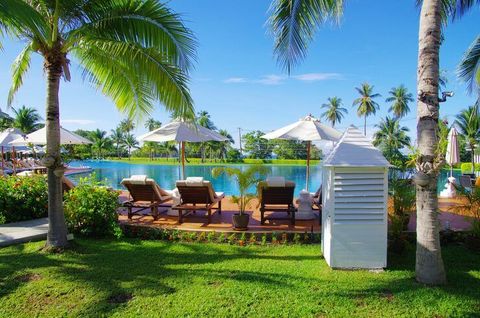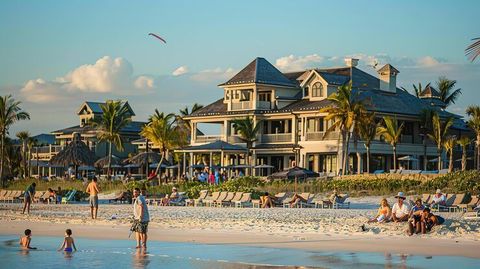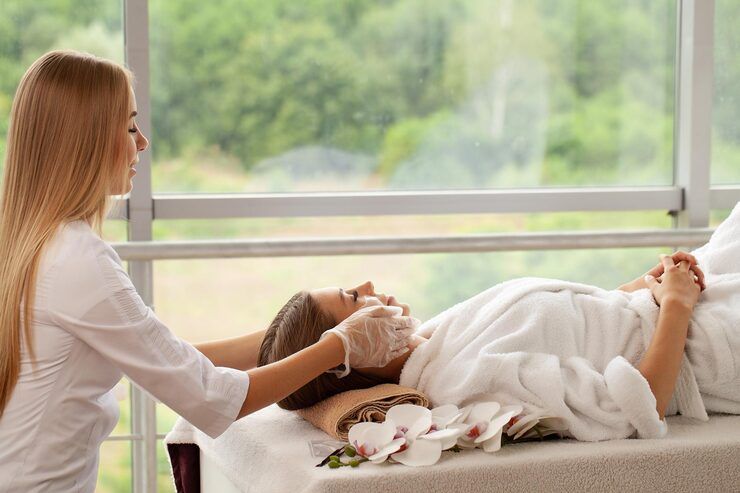
Spa therapy destinations are places where people travel to experience relaxation, traditional bathing practices, thermal waters, massage techniques, and wellness activities. These destinations may include natural hot springs, coastal wellness retreats, mineral baths, mountain resorts, and facilities that incorporate traditional healing practices into modern relaxation programs.
Spa therapy has developed across many cultures. Ancient bathing traditions in Europe, communal hot springs in Japan, hammam practices in Türkiye and Morocco, and traditional wellness systems in Asia have influenced modern spa experiences. Today, destinations often combine established cultural practices with contemporary facilities, including hydrotherapy pools, steam rooms, massage rooms, and relaxation areas.
Wellness travel can involve a dedicated retreat or a short activity during a wider holiday. Some travelers focus on thermal bathing, while others explore meditation, gentle movement, traditional bathing rituals, or nature-based relaxation. Understanding the purpose of each destination helps travelers select experiences that suit their interests, accessibility requirements, and personal preferences.
Why Spa Therapy Destinations Matter Today
Modern travel often includes more than sightseeing. Many travelers look for opportunities to slow down, spend time in nature, and explore wellness traditions alongside cultural attractions. Spa destinations provide settings for these activities while supporting tourism in regions known for thermal waters, coastal landscapes, forests, and historic bathing architecture.
These destinations can be relevant to different groups, including solo travelers, couples, older adults, and people interested in cultural experiences. However, individual needs differ, and not every treatment or bathing environment is appropriate for everyone.
Several factors explain the growing interest in spa-related travel:
Relaxation and rest: Quiet environments and structured relaxation activities can provide a break from everyday routines.
Cultural learning: Traditional bathing practices introduce visitors to local customs, architecture, and social traditions.
Nature experiences: Thermal springs, coastal settings, and mountain retreats can combine outdoor activities with relaxation.
Personal wellness routines: Some destinations include guided breathing, meditation, gentle exercise, and sleep-focused routines.
Regional tourism: Spa destinations can contribute to local hospitality, food, transport, and cultural industries.
Spa therapy should not be confused with medical treatment. Although some therapies are studied for specific health outcomes, results vary by treatment and individual circumstances. Visitors should assess health claims carefully and consult a qualified healthcare professional when considering treatments for a medical condition.
Notable Spa Therapy Destinations Around the World
Different destinations are known for particular bathing traditions, natural environments, and approaches to wellness. Comparing their characteristics can help travelers understand what each region offers.
Japan: Onsen and Traditional Bathing
Key areas: Hakone, Beppu, and Kusatsu
Japan is widely recognized for its onsen, or natural hot springs. These bathing environments are associated with volcanic geography and long-standing cultural practices. Many traditional inns and bathing facilities encourage quiet routines, careful washing before entering communal water, and respect for shared spaces.
Visitors should check water temperature, bathing instructions, tattoo policies, and any health precautions before entering an onsen. Mineral composition varies between springs, so the properties of one location should not automatically be attributed to another.
Hungary: Thermal Baths and Historic Architecture
Key areas: Budapest and Hévíz
Hungary has a long thermal bathing tradition, particularly in Budapest, where historic bathhouses combine architectural heritage with mineral-water bathing. Some facilities feature indoor pools, outdoor bathing areas, saunas, and relaxation spaces.
The destination appeals to travelers interested in combining wellness activities with museums, historic neighborhoods, and city sightseeing. Visitors should review individual pool temperatures and health guidance before using thermal facilities.
Türkiye: Hammam Traditions
Key areas: Istanbul and other historic cities
The Turkish hammam is a traditional bathing practice influenced by regional and historical customs. A typical experience may involve a warm room, washing, and optional exfoliation performed according to the facility's approach.
Hammams are also important cultural spaces, with distinctive architecture and bathing etiquette. Visitors should understand what a session includes, whether treatments are optional, and what clothing or towels are expected.
Thailand: Massage and Mindful Relaxation
Key areas: Chiang Mai, Bangkok, and Phuket
Thailand is known for traditional Thai massage, wellness retreats, and relaxation practices that may include meditation and gentle movement. Experiences vary from urban facilities to retreats surrounded by tropical landscapes.
Travelers should distinguish traditional wellness practices from medical rehabilitation. They should also confirm practitioner qualifications and disclose relevant injuries or health concerns before receiving bodywork.
Iceland: Geothermal Bathing and Cool-Climate Wellness
Key areas: Reykjavík and the Reykjanes Peninsula
Iceland's geothermal landscape supports outdoor bathing experiences that combine naturally heated water with cool air and dramatic scenery. Geothermal lagoons and bathing facilities differ in water source, temperature, atmosphere, and visitor rules.
Weather, road conditions, and local geothermal activity can affect travel plans. Visitors should follow safety instructions, respect protected natural areas, and avoid entering unapproved geothermal water.
Italy: Thermal Towns and Mineral Springs
Key areas: Tuscany, Ischia, and Abano Terme
Italy has a long tradition of thermal bathing, with destinations shaped by mineral springs, historic towns, and landscapes ranging from volcanic islands to countryside settings. Some facilities focus on recreational bathing, while others operate within more structured therapeutic or clinical frameworks.
Travelers interested in treatment-related programs should verify professional qualifications and the evidence behind health claims. A destination's historic reputation alone does not establish that a particular therapy will produce a medical benefit.
Recent Updates and Wellness Travel Trends in 2025–2026
Spa therapy destinations continue to evolve as travelers explore more specialized wellness experiences. The Global Wellness Institute's 2025 and 2026 trend reporting highlights growing interest in accessible wellness, recovery-focused retreats, thermal bathing, restorative travel, and more structured approaches to well-being.
Several developments are particularly relevant.
Shorter thermal retreats: In April 2026, the Global Wellness Institute highlighted multi-day hot-spring retreats, including shorter stays that fit into more frequent travel routines.
Global Wellness InstituteHeritage-led destinations: Historic thermal towns are drawing attention to the relationship between local identity, traditional bathing architecture, and contemporary wellness travel.
Global Wellness InstituteRecovery and rest: Wellness travel discussions increasingly include sleep routines, relaxation, gentle movement, and recovery-focused activities rather than concentrating only on luxury surroundings.
Global Wellness InstituteMore attention to credibility: Travelers are increasingly encouraged to distinguish established bathing traditions and evidence-supported practices from unsupported claims about longevity, detoxification, or disease prevention.
Global Wellness Institute
These are industry trends rather than proof that every destination is expanding or that every treatment is effective. Availability, operating rules, and local conditions should be checked before travel.
Laws, Regulations, and Visitor Guidelines
Spa and bathing regulations differ by country and sometimes by region. Rules may cover public health, water quality, facility hygiene, professional qualifications, consumer protection, accessibility, and the use of medical terminology in advertising.
Japan provides a useful example. Its Public Bath Act establishes a licensing framework for qualifying public bath facilities and includes public-health and hygiene requirements. Local authorities also set relevant standards under the law.
In practice, travelers should consider several regulatory issues:
Facility hygiene: Follow posted showering, bathing, and sanitation instructions.
Treatment qualifications: Check whether practitioners have the qualifications required for the treatment and location.
Health claims: Be cautious about statements that promise to cure diseases or guarantee specific medical outcomes.
Consumer terms: Read the facility's cancellation, appointment, age, and admission policies before making arrangements.
Accessibility and privacy: Confirm applicable access arrangements, changing-room rules, and any restrictions relevant to individual needs.
Environmental protection: Follow rules for natural hot springs, geothermal areas, protected landscapes, and water conservation.
Rules governing medical spas may differ from those applying to ordinary bathing facilities. Where a destination combines thermal bathing with medical assessment or treatment, travelers should verify the appropriate professional oversight and regulatory status.
These examples are not a substitute for checking current local requirements. Government tourism departments and public-health authorities are the most appropriate sources for destination-specific guidance.
Helpful Tools and Travel Resources
Planning ahead can help travelers compare destinations, understand treatment options, and prepare for local bathing customs.
Resource | How it helps |
|---|---|
National tourism websites | Find official destination information, travel guidance, and regional attractions |
Google Maps | Check locations, transport options, and nearby facilities |
Weather forecast apps | Prepare for seasonal conditions and outdoor bathing |
Translation apps | Understand local instructions, etiquette, and safety notices |
Travel insurance documentation | Review coverage for planned activities and medical assistance |
Official public-health websites | Find current hygiene guidance and relevant health precautions |
Spa facility websites | Review treatment descriptions, accessibility, opening hours, and visitor rules |
Before choosing a destination, compare the type of bathing experience, location, accessibility, climate, and available facilities. Read recent visitor feedback critically, and verify important details directly with the venue.
A practical planning checklist includes:
Confirm passport, visa, and entry requirements.
Review local bathing customs and clothing expectations.
Check whether advance reservations are necessary.
Ask about water temperature and treatment suitability when relevant.
Keep time for rest rather than scheduling too many activities.
Review cancellation terms and travel insurance exclusions.
Frequently Asked Questions
What is the difference between a spa retreat and a thermal bath?
A spa retreat generally refers to a destination or planned stay centered on relaxation and wellness activities. A thermal bath focuses on bathing in naturally heated or mineral-rich water, although individual facilities may also provide other amenities.
Which countries are known for spa therapy destinations?
Japan, Hungary, Türkiye, Thailand, Iceland, and Italy are well-known for different bathing traditions and wellness experiences. The most suitable destination depends on cultural interests, climate preferences, accessibility, and the type of experience being considered.
Are spa therapies medically proven to improve health?
Evidence varies by treatment and condition. Some practices may help with relaxation or particular symptoms, but benefits are not universal. Spa therapies should not replace appropriate medical assessment or prescribed treatment.
What should travelers check before visiting a thermal spa?
Review water temperature, hygiene practices, visitor rules, accessibility, and any health precautions. People who are pregnant or have cardiovascular conditions or other relevant medical concerns should seek appropriate medical advice before using hot pools, saunas, or intensive heat treatments.
How can travelers choose a suitable spa destination?
Compare the destination's bathing traditions, facilities, climate, travel requirements, and independent visitor feedback. Check official information and confirm important details with the facility rather than relying solely on promotional descriptions.
Conclusion
Spa therapy destinations bring together bathing traditions, cultural heritage, natural landscapes, and modern approaches to relaxation. From Japanese onsen and Hungarian thermal baths to Turkish hammams and Icelandic geothermal lagoons, each destination has its own customs and practical considerations.
A thoughtful travel plan starts with reliable information, realistic expectations, and an understanding of local rules. By comparing destinations carefully and treating wellness claims critically, travelers can explore spa traditions while making informed decisions about comfort, safety, and cultural respect.