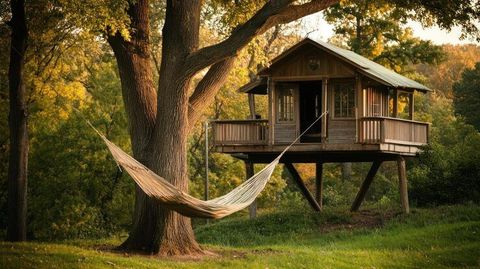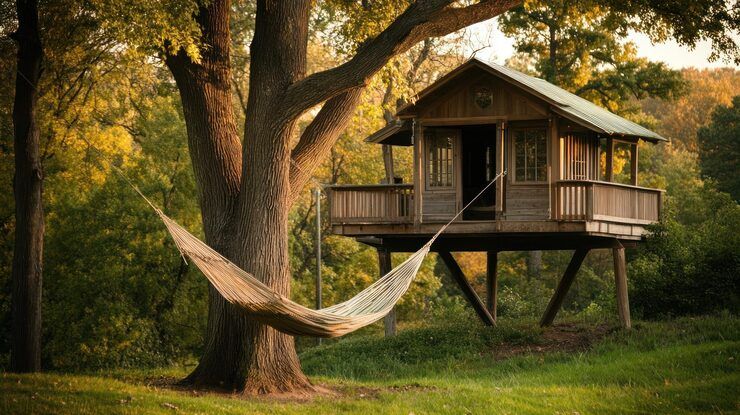
Forest treehouse stays are a form of nature-based accommodation that allows visitors to spend time among trees and woodland landscapes. These structures may be built on elevated platforms, supported by carefully designed foundations, or integrated into forest surroundings with minimal disturbance. Depending on the location, they can range from simple wooden cabins to architecturally advanced structures with electricity, bathrooms, and climate control.
The concept combines outdoor recreation, forest conservation awareness, and architectural design. Treehouse accommodation can be found in temperate woodlands, tropical rainforests, mountain forests, and rural landscapes. Each environment presents different requirements for construction, access, weather protection, and wildlife management.
Unlike conventional hotels, forest treehouses often emphasize proximity to nature. Visitors may experience bird calls, changing seasonal colors, forest trails, and views of the surrounding canopy. However, the quality and environmental impact of these experiences depend on how the accommodation is planned and managed.
Different Types of Forest Treehouses
Forest treehouse accommodation can take several forms:
Elevated treehouses: Structures supported by living trees using carefully engineered attachment systems.
Platform cabins: Small buildings raised above the ground on independent supports.
Canopy accommodation: Structures positioned to provide views across the forest canopy.
Eco-lodges in woodland settings: Low-impact buildings designed to blend with the surrounding environment.
Off-grid treehouses: Accommodation using systems such as solar electricity, rainwater collection, and carefully managed wastewater treatment.
Each type has different structural, ecological, and maintenance requirements. A building supported independently from living trees may be more appropriate in locations where attaching structures to trees could cause damage.
Why Forest Treehouse Stays Matter Today
Nature-based tourism has attracted attention as travelers explore experiences connected with landscapes, wildlife, outdoor activities, and environmental awareness. Forest treehouses offer an opportunity to experience natural environments while learning about biodiversity and responsible tourism.
These stays can also contribute to rural tourism when local communities participate in accommodation management, food preparation, guiding, maintenance, and cultural activities. The benefits depend on local ownership arrangements, visitor numbers, and how tourism revenue is distributed.
Environmental Awareness and Sustainable Tourism
Forest accommodation can introduce visitors to subjects such as forest ecosystems, native species, water conservation, and habitat protection. Educational signs, guided walks, and wildlife observation activities can help people understand the relationship between tourism and conservation.
However, a treehouse is not automatically environmentally sustainable. Construction can disturb roots, fragment habitats, create noise, and increase waste. Lighting may affect nocturnal wildlife, while poorly managed wastewater can contaminate soil and nearby streams.
Responsible forest accommodation generally considers:
Protecting native trees and sensitive habitats.
Managing wastewater and solid waste appropriately.
Using energy-efficient equipment and renewable energy where practical.
Limiting noise, artificial lighting, and unnecessary land clearing.
Supporting local communities and conservation education.
Who Benefits From Forest Treehouse Accommodation?
Different visitors may value forest stays for different reasons. Families may appreciate outdoor learning, while nature photographers and birdwatchers may value proximity to wildlife. Hikers can use woodland accommodation as a base for exploring nearby trails, and architecture enthusiasts may be interested in elevated structures and sustainable building techniques.
Forest accommodation operators and local communities may also benefit from tourism activity. At the same time, residents, land managers, and conservation organizations need to consider traffic, habitat pressure, water demand, and the long-term condition of the surrounding forest.
Recent Trends and Developments in Forest Treehouse Stays
During 2025 and 2026, several broader travel and accommodation themes remained relevant to forest treehouse development, including nature-based tourism, climate resilience, energy efficiency, and responsible visitor management. Specific developments differ by country and property, so individual claims about new projects or regulations should be checked against current local information.
Sustainable Architecture and Low-Impact Construction
Forest accommodation design increasingly emphasizes the relationship between buildings and their surroundings. Approaches include elevated foundations, modular construction, locally appropriate materials, and designs that reduce unnecessary excavation.
Engineers must still consider wind loads, rainfall, humidity, soil stability, tree movement, and the long-term condition of structural connections. In tropical forests, moisture and insects may create particular maintenance challenges. In colder regions, snow loads and freeze-thaw cycles can influence building design.
Renewable Energy and Resource Management
Some forest properties use solar photovoltaic panels, battery storage, low-energy lighting, and efficient water systems. Remote locations may benefit from these technologies because connecting to conventional electricity infrastructure can be difficult.
| Development area | Practical application | Main consideration |
|---|---|---|
| Renewable energy | Solar panels and battery systems | Weather and seasonal energy demand |
| Water management | Rainwater collection and efficient fixtures | Local water quality and supply |
| Wastewater treatment | Approved treatment systems | Soil conditions and groundwater protection |
| Building design | Elevated or modular structures | Structural safety and habitat disturbance |
| Visitor management | Digital reservations and visitor guidance | Capacity limits and emergency planning |
Digital Planning and Visitor Information
Online maps, weather forecasts, digital booking systems, and trail information help visitors understand access conditions before traveling. Operators can use digital tools to communicate seasonal closures, fire restrictions, wildlife precautions, and emergency procedures.
Technology does not replace on-site safety measures. Remote forests may have limited mobile coverage, and visitors should understand how to contact emergency services if connectivity fails.
Laws, Policies, and Environmental Requirements
Forest treehouse stays are affected by local planning laws, building codes, environmental protections, land ownership rules, fire regulations, and tourism requirements. There is no single international law governing all treehouse accommodation. The applicable rules depend on the country, region, property classification, and location.
Land Use and Building Safety
Before constructing a treehouse intended for overnight accommodation, developers generally need to determine whether the land permits tourism or hospitality use. Building approval may be necessary, particularly for structures with permanent foundations, plumbing, electricity, or public access.
Relevant considerations may include:
Planning permission and permitted land use.
Structural engineering and building safety standards.
Fire detection, evacuation routes, and emergency access.
Electrical installations, drinking water, and sanitation.
Accessibility requirements where applicable.
A structure located within a protected forest, national park, wildlife reserve, or conservation area may face additional restrictions or prohibitions.
Environmental Protection and Wildlife
Environmental rules may regulate tree removal, construction near waterways, disturbance of protected species, waste disposal, and activities within sensitive habitats. Some projects may require an environmental assessment before approval.
In the United States, for example, the Endangered Species Act may apply when protected species or their habitats are affected, while federal, state, and local land-management requirements depend on the location. In the European Union, the Habitats Directive and Birds Directive can be relevant to protected habitats and wildlife. National and regional implementation determines the practical obligations.
In India, the Forest (Conservation) Act, 1980, as amended and renamed the Van (Sanrakshan Evam Samvardhan) Adhiniyam, 1980, and applicable wildlife and environmental laws may be relevant to forest land and protected areas. Requirements depend on the land classification, proposed activity, and applicable approvals.
Visitors should also follow local rules about campfires, waste disposal, wildlife feeding, trail access, and restricted areas. Before planning construction, operators should consult the relevant planning authority, forest department, environmental regulator, and qualified building professionals.
Tools and Resources for Planning Forest Treehouse Stays
Reliable planning resources help travelers evaluate forest accommodation and help developers understand environmental and safety considerations. The most useful resources depend on whether the goal is to plan a visit, study sustainable architecture, or evaluate a potential development.
Travel Planning and Weather Resources
Google Maps: Helps identify forest regions, nearby roads, trailheads, and emergency facilities. Road conditions and remote access should be verified locally.
Google Travel: Supports general destination research and travel planning.
National weather agency websites: Provide forecasts, rainfall information, severe-weather warnings, and seasonal conditions.
Official park and forest websites: Explain trail closures, protected-area restrictions, wildlife precautions, and visitor guidance.
Local tourism information offices: Can provide destination-specific information about transportation, regional attractions, and seasonal travel conditions.
Sustainability and Building Resources
LEED: The Leadership in Energy and Environmental Design framework provides guidance on building sustainability, energy efficiency, and resource management.
EDGE: An international green-building certification system that evaluates improvements in energy, water, and material efficiency.
International Code Council: Publishes model building codes and related technical resources that may inform local construction requirements.
Global Sustainable Tourism Council: Provides sustainability criteria for tourism businesses and destinations.
These resources offer general guidance, but they do not automatically establish legal compliance or guarantee that a particular treehouse is environmentally responsible. Local building regulations and environmental requirements remain essential.
Frequently Asked Questions About Forest Treehouse Stays
What is a forest treehouse stay?
A forest treehouse stay is an overnight accommodation experience located in a woodland or forest environment. The structure may be elevated among trees or positioned on an independent platform. Facilities range from simple cabins to fully equipped accommodation, depending on the property and local infrastructure.
Are forest treehouse stays environmentally friendly?
They can support responsible tourism when designed and managed carefully. Environmental performance depends on construction methods, energy use, water consumption, wastewater treatment, visitor numbers, and effects on local wildlife. A forest setting alone does not guarantee sustainability.
What should visitors check before choosing a treehouse?
Visitors should review structural safety information, weather conditions, access routes, sanitation facilities, emergency arrangements, and any age or mobility restrictions. It is also useful to check seasonal hazards, insect precautions, fire rules, and mobile network availability.
Can a treehouse be constructed in a protected forest?
Construction may be prohibited or subject to strict approvals in protected forests, national parks, wildlife reserves, and other conservation areas. The answer depends on local legislation, land ownership, permitted activities, and environmental restrictions. Written confirmation from the relevant authority is advisable before any development begins.
Which season is best for forest treehouse stays?
The most suitable season depends on the destination. Dry seasons may provide easier trail access in some tropical regions, while spring and autumn can offer changing foliage in temperate forests. Mountain and northern locations may experience snow, freezing temperatures, or seasonal closures. Checking local climate information and property guidance is more reliable than following a universal seasonal recommendation.
Conclusion
Forest treehouse stays combine nature-based tourism, architectural design, and opportunities for environmental learning. They can help visitors experience woodland landscapes while supporting rural tourism and conservation awareness when managed responsibly.
Their long-term value depends on more than attractive views or innovative structures. Safe construction, appropriate land use, wildlife protection, resource efficiency, and community participation all contribute to responsible forest accommodation.
Travelers can make informed decisions by reviewing weather conditions, access arrangements, safety information, and environmental practices. Developers, meanwhile, should evaluate planning permissions, building standards, ecological impacts, and local regulations before beginning construction.
As nature-based travel continues to evolve, forest treehouse accommodation offers an opportunity to explore how tourism and environmental responsibility can coexist. Careful planning and transparent management are essential to protecting the forests that make these experiences possible.