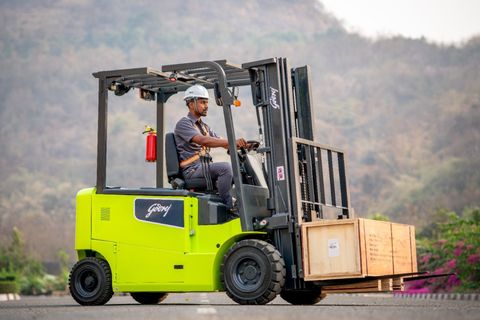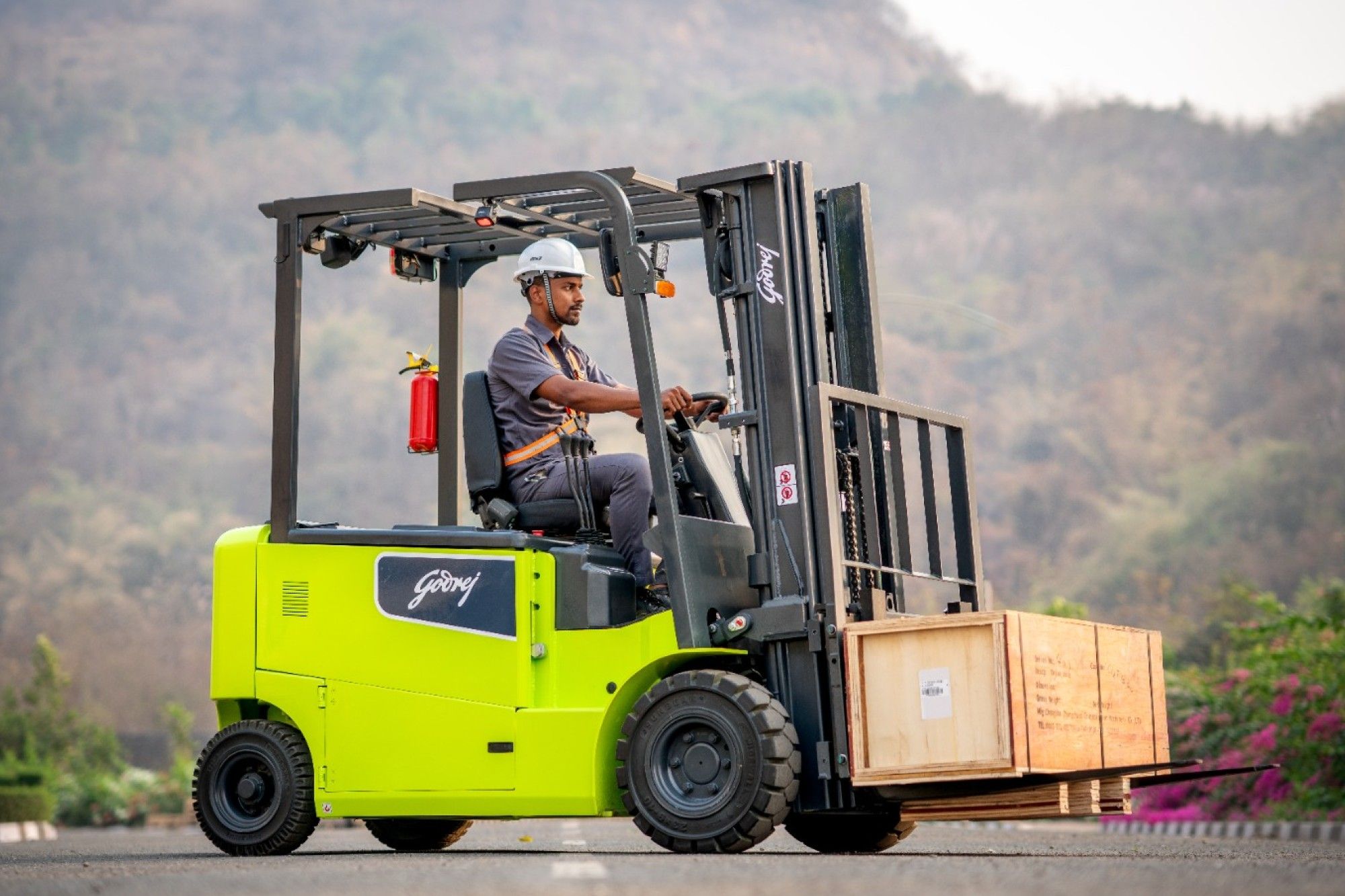
Material handling equipment plays a critical role in warehouses, manufacturing facilities, distribution centers, ports, and logistics operations. As organizations seek greater efficiency, lower operating costs, and improved sustainability, many are considering Electric Forklifts Procurement as part of their fleet expansion strategy.
Electric forklifts have become increasingly popular due to advancements in battery technology, energy efficiency, and operational performance.
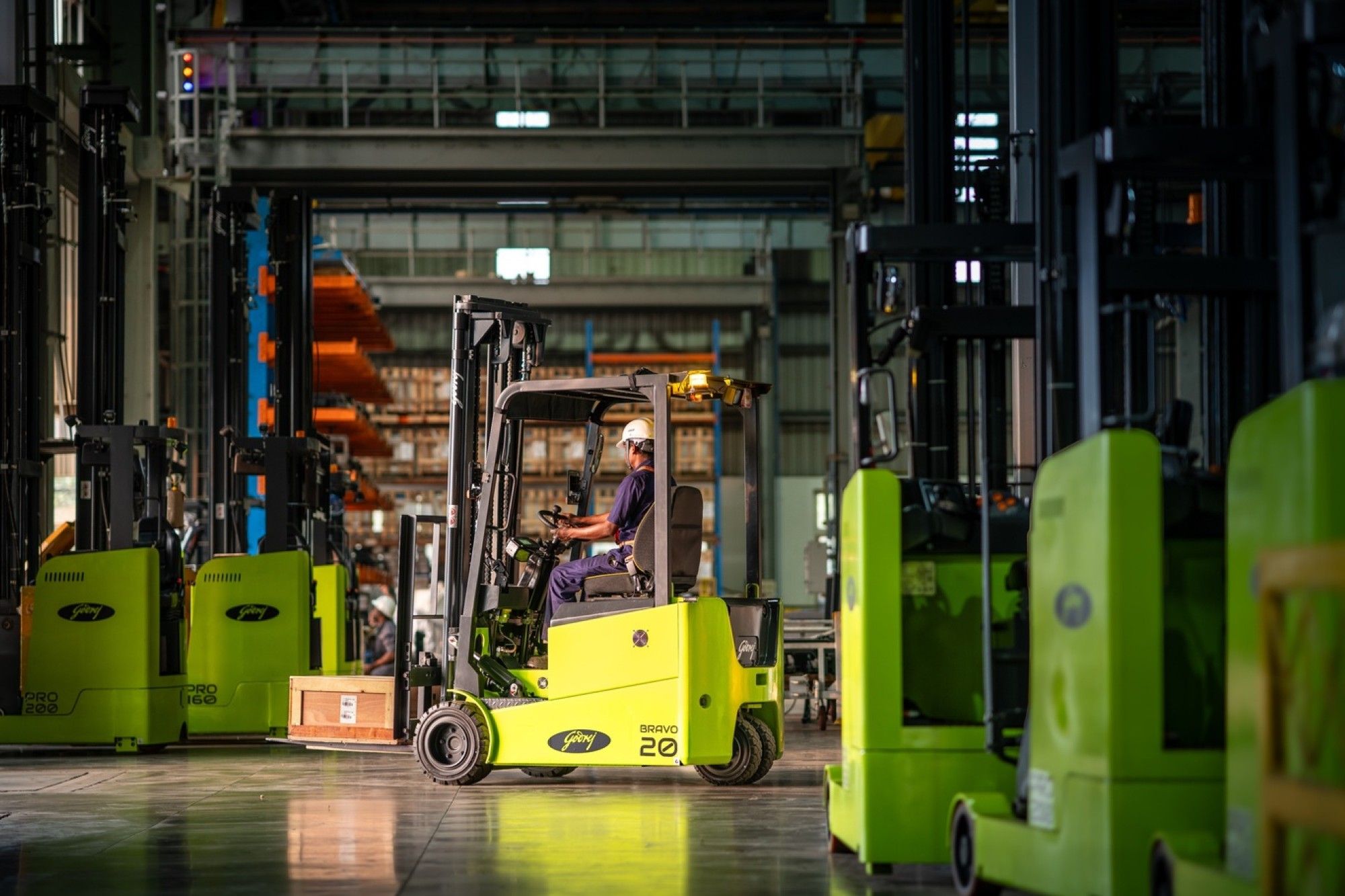
Before investing in new equipment, businesses should understand the factors that influence forklift selection, procurement planning, operational requirements, and long-term fleet management. A well-informed procurement process can help organizations align equipment investments with productivity goals and operational needs.
Note: Forklift specifications, performance capabilities, regulatory requirements, pricing, and maintenance needs vary by manufacturer, model, industry, and operating environment. This article is intended for educational purposes only.
What Is Electric Forklifts Procurement?
Electric Forklifts Procurement refers to the process of evaluating, selecting, acquiring, and integrating electric-powered forklifts into a material handling fleet. Procurement decisions typically involve assessing operational requirements, equipment specifications, infrastructure readiness, and long-term ownership considerations.
The process may include:
Operational needs assessment
Equipment evaluation
Vendor comparison
Budget planning
Infrastructure review
Safety considerations
Maintenance planning
Fleet integration
Successful procurement requires balancing performance, efficiency, and operational objectives.
Why Organizations Are Choosing Electric Forklifts
Electric forklifts have gained attention across many industries.
Potential advantages include:
Reduced direct emissions during operation
Lower noise levels
Improved indoor suitability
Energy-efficient operation
Advanced control systems
Reduced vibration levels
Enhanced operator comfort
Compatibility with modern warehouse environments
Actual benefits depend on usage patterns, maintenance practices, and operating conditions.
Key Factors to Consider Before Procurement
Several important considerations can influence equipment selection.
Load Capacity
The forklift should be capable of safely handling expected loads.
Lift Height Requirements
Organizations should evaluate storage systems and vertical material handling needs.
Operating Environment
Indoor, outdoor, and mixed-use applications may require different equipment specifications.
Battery Technology
Battery performance influences runtime, charging requirements, and operational efficiency.
Fleet Size
Businesses should determine whether new forklifts will supplement or replace existing equipment.
Operator Requirements
Ease of use, visibility, ergonomics, and safety features can affect productivity.
Understanding Battery Options
Battery technology is a major consideration during procurement.
Lead-Acid Batteries
A long-established option used in many industrial applications.
Lithium-Ion Batteries
Increasingly adopted due to faster charging capabilities and reduced maintenance requirements.
Charging Infrastructure
Organizations should assess charging stations, power availability, and operational schedules.
Battery selection should align with operational demands and facility capabilities.
Industries Using Electric Forklifts
Electric forklifts support a wide range of industrial operations.
Examples include:
Warehousing
Distribution centers
Manufacturing facilities
Retail logistics
Food and beverage operations
Pharmaceutical facilities
E-commerce fulfillment centers
Packaging and processing plants
Industry-specific requirements may influence equipment configurations.
Procurement Planning Considerations
A structured procurement strategy can improve equipment utilization.
Helpful evaluation areas include:
Current operational needs
Future growth plans
Equipment lifecycle expectations
Maintenance support availability
Operator training requirements
Facility infrastructure readiness
Safety compliance needs
Data and fleet management capabilities
Careful planning supports long-term fleet performance.
Electric Forklifts Procurement Overview
| Evaluation Area | Importance |
|---|---|
| Load Capacity | Supports operational requirements |
| Battery Technology | Influences runtime and efficiency |
| Lift Height | Matches storage systems |
| Safety Features | Supports workplace safety |
| Maintenance Planning | Improves equipment reliability |
| Fleet Integration | Enhances operational coordination |
Safety and Operational Considerations
Safety remains an essential component of fleet management.
Important practices include:
Operator training and certification
Routine equipment inspections
Battery maintenance procedures
Workplace safety assessments
Compliance with applicable regulations
Load handling guidelines
Preventive maintenance scheduling
Clear operating procedures
Organizations should establish comprehensive safety programs for all material handling equipment.
Current Trends in Electric Forklift Technology
Material handling technology continues to evolve rapidly.
Recent developments include:
Lithium-ion battery adoption
Telematics and fleet monitoring systems
Predictive maintenance analytics
Smart charging infrastructure
Autonomous material handling technologies
Energy management solutions
Advanced operator assistance systems
Cloud-based fleet management platforms
These innovations help improve productivity and operational visibility.
Looking Ahead
The future of Electric Forklifts Procurement is expected to include greater integration of automation, connected fleet technologies, advanced battery systems, and data-driven operational management. As warehouses and distribution centers become increasingly automated, electric forklifts will continue to play an important role in modern material handling strategies.
Why Understanding Electric Forklifts Procurement Matters
Understanding Electric Forklifts Procurement helps organizations evaluate equipment investments that support operational efficiency, safety, and long-term fleet performance. Careful planning and informed decision-making can contribute to more effective material handling operations and improved resource utilization.
Conclusion
Electric Forklifts Procurement is a strategic process that involves evaluating operational needs, equipment capabilities, battery technologies, safety requirements, and long-term fleet objectives. By understanding key procurement considerations and emerging industry trends, organizations can make informed decisions that support efficient and reliable material handling operations. As technology continues to advance, electric forklifts are likely to remain a central component of modern warehouse, manufacturing, and logistics environments.