Industrial centrifuge equipment is designed to separate materials by using centrifugal force.
When a mixture rotates at high speed, components with different densities respond differently to the generated force, allowing solids, liquids, or separate liquid phases to be divided.
The concept comes from the broader principles of centrifugal separation, which have been applied across industrial processing for many years. Modern systems can be configured for applications involving wastewater, food processing, chemicals, minerals, pharmaceuticals, and other manufacturing processes.
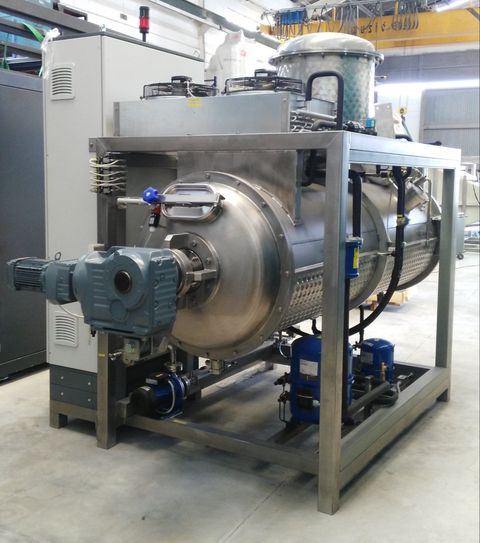
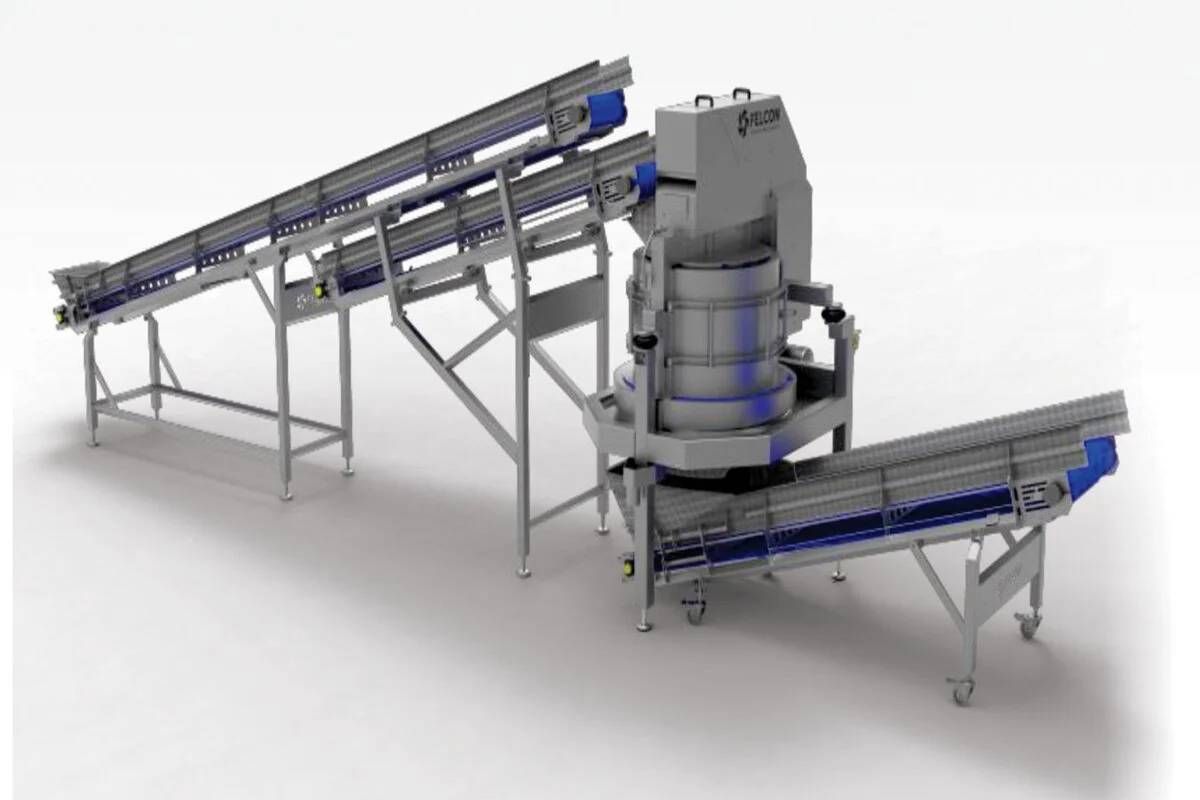
Industrial centrifuges generally include a rotating bowl or chamber, drive mechanism, feed system, discharge arrangement, and control components. Depending on the process, equipment may operate continuously or in batches.
Common Types of Centrifuge Systems
Different designs are developed for different separation requirements. Common examples include:
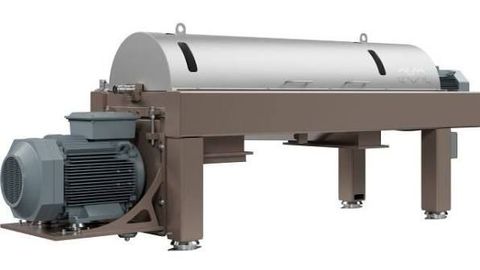
- Decanter centrifuges: Commonly used for separating suspended solids from liquids.
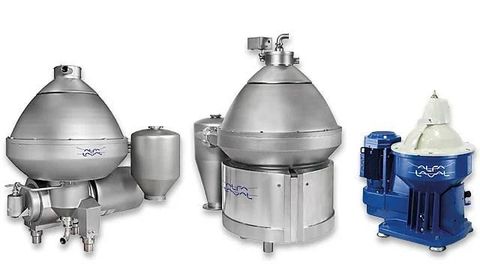
- Disc-stack centrifuges: Designed for separating fine particles or different liquid phases.
- Basket centrifuges: Often used for solid-liquid separation in batch processing.
- Tubular centrifuges: Used when fine separation is required in relatively small processing streams.
The appropriate configuration depends on factors such as particle size, density difference, feed concentration, moisture requirements, throughput, and the characteristics of the materials being processed.
Why Industrial Centrifuges Matter
Industrial centrifuge equipment can influence how efficiently a production process separates and handles materials. Separation may be required before another processing stage, during material recovery, or before a liquid or solid stream moves into additional treatment.
Industries dealing with large volumes of mixtures can face challenges when gravity-based separation takes too long or when the materials contain very fine particles. Centrifugal systems provide a mechanical approach that can accelerate separation within a controlled process.
Factors That Influence System Selection
Several technical factors should be reviewed before selecting a centrifuge configuration:
| Factor | Why It Matters |
|---|---|
| Feed composition | Influences separation behavior |
| Particle size | Affects separation efficiency |
| Density difference | Determines how components respond to centrifugal force |
| Feed rate | Helps determine required processing capacity |
| Moisture level | Influences solid discharge characteristics |
| Temperature | Can affect viscosity and material behavior |
| Material compatibility | Helps determine suitable construction materials |
| Operating conditions | Influences controls and equipment configuration |
Process conditions can vary significantly between facilities. A centrifuge designed for one mixture may not produce the same results with another material, even when the equipment type appears similar.
Operational and Safety Considerations
High-speed rotating equipment requires appropriate guarding, monitoring, and operating procedures. Vibration monitoring can help identify changes in mechanical behavior, while temperature and rotational-speed monitoring can provide information about operating conditions.
Routine inspection of rotating components, seals, bearings, feed arrangements, and discharge mechanisms is also relevant to equipment management. Operators generally need training appropriate to the specific equipment and workplace procedures.
Tools and Resources for Evaluation
Several resources can help readers understand industrial centrifuge equipment and compare technical requirements. Equipment manuals can provide information about operating limits, maintenance intervals, component specifications, and control functions.
Process engineers may also use separation calculations, material-balance worksheets, particle-size information, and laboratory testing data when evaluating a centrifuge application. These resources help connect the characteristics of a material with the operating conditions required for separation.
Useful resources may include:
- Centrifuge technical manuals: Explain operating principles and equipment specifications.
- Material-balance calculators: Help estimate input and output quantities.
- Particle-size analysis tools: Provide information about the distribution of particles within a mixture.
- Process-flow diagrams: Help identify where separation occurs within a larger production system.
- Maintenance checklists: Help organize routine inspections and equipment records.
- Safety documentation: Provides operating procedures and hazard-control information relevant to rotating machinery.
These resources are most useful when the information is matched to the actual process conditions and equipment configuration.
FAQs
What is industrial centrifuge equipment used for?
Industrial centrifuge equipment is used to separate solids from liquids, liquids from liquids, or fine particles from process streams. Applications vary across manufacturing, food processing, wastewater treatment, chemical processing, and other industries.
How does an industrial centrifuge work?
An industrial centrifuge rotates a mixture at high speed. Centrifugal force causes components with different densities to move differently, allowing separated materials to be collected through designated discharge paths.
What factors affect industrial centrifuge equipment selection?
Feed composition, particle size, density, viscosity, temperature, concentration, throughput, moisture requirements, and material compatibility can all influence equipment selection.
Are industrial centrifuges continuous or batch systems?
Both configurations exist. Decanter and disc-stack systems are commonly associated with continuous processing, while some basket centrifuges operate in batches.
What should be monitored in modern centrifuge systems?
Important operating parameters can include rotational speed, vibration, temperature, feed rate, pressure, and discharge conditions. The specific parameters depend on the centrifuge design and application.
Conclusion
Industrial centrifuge equipment uses controlled rotational force to separate materials with different physical characteristics. Modern systems include several configurations designed for different solid-liquid and liquid-liquid separation requirements. Understanding feed properties, operating conditions, equipment design, and safety considerations provides useful context when evaluating centrifuge systems. Technical manuals, process calculations, laboratory data, and maintenance records can support a clearer understanding of equipment requirements.