Industrial IoT (IIoT) refers to the use of connected sensors, industrial automation systems, cloud IoT platforms, and data analytics within manufacturing, energy, logistics, and infrastructure environments. Unlike consumer IoT devices such as smart home assistants, Industrial IoT focuses on machine-to-machine communication, real-time monitoring, and operational efficiency.
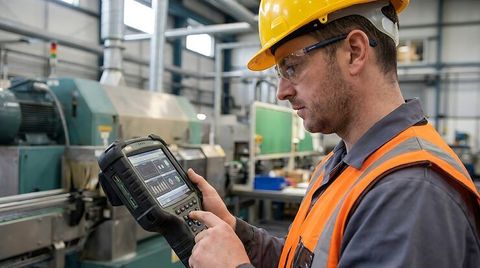
Industrial IoT (IIoT) enables machines and systems to collect and share data in real time. Traditional industries relied on manual inspection, but modern systems use sensors and connected devices to monitor performance continuously.
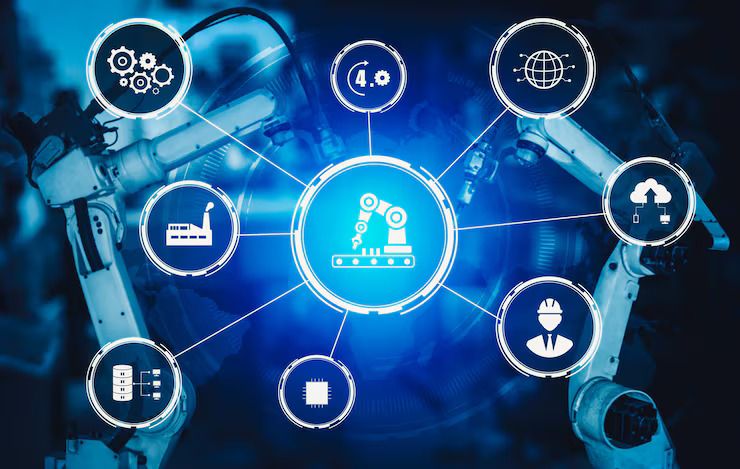
Industrial IoT combines hardware and software such as sensors, PLCs, cloud platforms, and analytics tools to create connected industrial environments often referred to as smart factories.
Core Components of Industrial IoT
Typical IIoT systems include:
- Connected sensors and actuators
- Programmable Logic Controllers (PLCs)
- SCADA systems
- Cloud IoT platforms
- Predictive maintenance software
- Industrial cybersecurity tools
Importance of Industrial IoT
Industrial IoT improves efficiency, monitoring, and decision-making across industries.
Why It Matters Today
- Reduces unplanned downtime
- Improves asset performance monitoring
- Enhances automation systems
- Supports energy efficiency and sustainability
- Strengthens cybersecurity frameworks
Industries Impacted
Industrial IoT is widely used in:
- Manufacturing plants
- Oil and gas industries
- Energy and utility systems
- Logistics and warehousing
- Transportation networks
Problems Solved
IIoT helps address:
- Equipment failure due to lack of monitoring
- Inefficient energy usage
- Production bottlenecks
- Limited real-time visibility
Core Components Explained
IoT Sensors
Sensors collect real-time data such as temperature, pressure, and vibration from machines.
Edge Computing Solutions
Edge devices process data locally before sending it to the cloud, reducing latency and bandwidth usage.
Cloud IoT Platforms
Cloud platforms store and analyze data, providing dashboards and insights for decision-making.
SCADA Systems
SCADA systems provide centralized control and monitoring of industrial operations.
Industrial Cybersecurity Tools
These tools protect connected systems from cyber threats and unauthorized access.
Industrial IoT Architecture
| Layer | Function | Example Use Case |
|---|---|---|
| Device Layer | Data collection | Machine vibration monitoring |
| Edge Layer | Local data processing | Real-time anomaly detection |
| Connectivity Layer | Data transmission | 5G, Ethernet, LoRaWAN |
| Cloud Platform Layer | Data storage and analytics | Predictive maintenance dashboard |
| Application Layer | Visualization and reporting | Smart factory KPI tracking |
Recent Updates (2025–2026)
Industrial IoT has evolved significantly in recent years.
AI Integration
Artificial intelligence is increasingly used in predictive maintenance and data analytics.
5G Expansion
Low-latency connectivity through 5G networks supports faster and more reliable industrial communication.
Digital Twin Technology
Digital twin systems simulate industrial processes, enabling better planning and optimization.
Cybersecurity Enhancements
Stronger regulations and zero-trust architectures are being adopted to secure industrial networks.
Laws and Policies
Industrial IoT is influenced by data security, privacy, and infrastructure regulations.
Key Regulatory Areas
- Data protection and privacy laws
- Cybersecurity frameworks
- Industrial safety standards
- Secure communication requirements
Regional Initiatives
Governments support digital transformation through national programs and standards organizations.
Tools and Resources
Various tools support IIoT implementation and management.
Cloud Platforms
- Microsoft Azure IoT
- Amazon Web Services IoT
- Siemens industrial solutions
Standards and Frameworks
- ISO standards
- Cybersecurity frameworks
- Industry compliance guidelines
Planning Tools
- ROI calculators
- Network security assessment tools
- Asset lifecycle management software
Visualization Tools
- Industrial dashboards
- Data analytics platforms
- Performance monitoring systems
Implementation Considerations
Organizations should evaluate:
- Network reliability and latency
- Cybersecurity readiness
- Data governance policies
- Integration with existing systems
- Scalability of IoT platforms
FAQs
What is Industrial IoT?
Industrial IoT refers to connected systems that monitor and control industrial processes using real-time data.
How is it different from regular IoT?
Industrial IoT focuses on large-scale industrial systems, while general IoT often refers to consumer devices.
What is predictive maintenance?
It uses sensor data and analytics to predict equipment failures before they occur.
Is Industrial IoT secure?
Security depends on implementation. Strong cybersecurity tools and frameworks reduce risks.
Do IIoT systems require cloud computing?
Many systems use cloud platforms, but hybrid and edge-based solutions are also common.
Conclusion
Industrial IoT is transforming how industries operate by enabling real-time monitoring, automation, and data-driven decision-making. It connects sensors, systems, and platforms into a unified industrial ecosystem.
Recent advancements in AI, connectivity, and cybersecurity continue to enhance IIoT capabilities. Regulatory frameworks ensure safe and secure implementation.
Understanding IIoT architecture, tools, and policies helps organizations adopt these technologies effectively. As digital transformation continues, Industrial IoT remains a key component of modern industrial infrastructure.