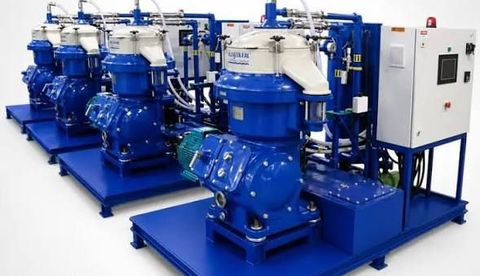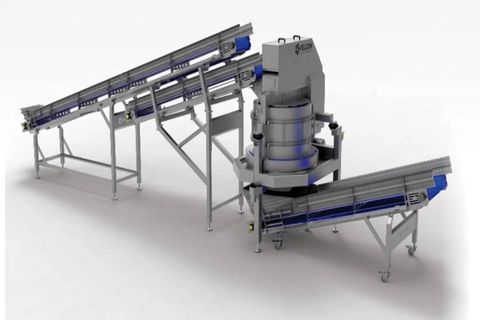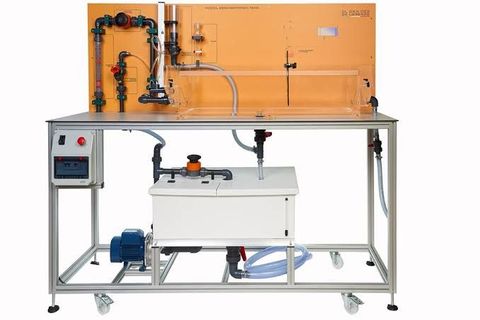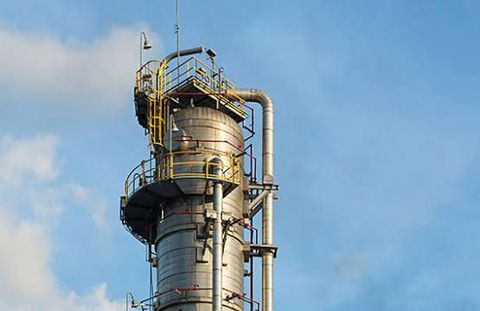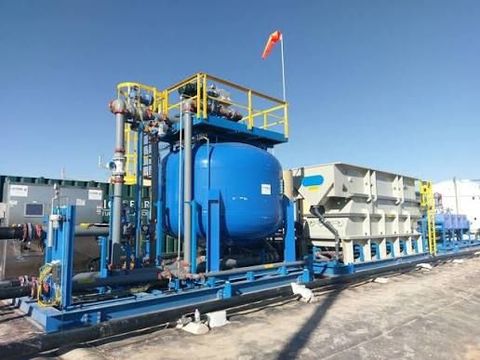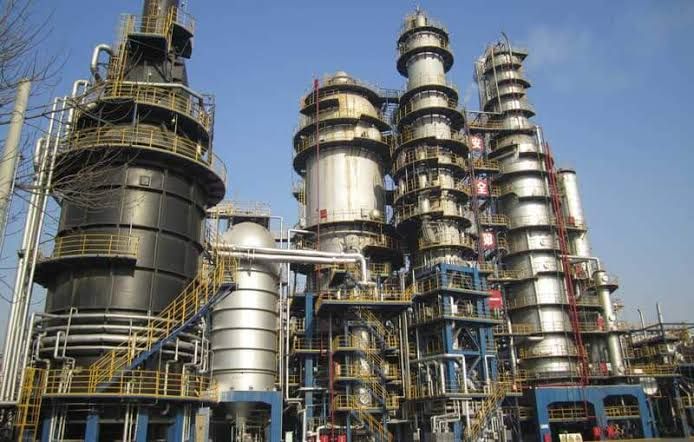
Industrial reactors are specialized vessels used to carry out controlled chemical reactions at industrial scale.
They provide a contained environment where raw materials can be mixed, heated, cooled, pressurized, or otherwise processed to produce a desired chemical or material.
The development of industrial reactors is closely connected with the growth of chemical manufacturing, petroleum processing, polymers, food ingredients, coatings, and other industries. Unlike laboratory equipment, industrial reactors must handle larger quantities while maintaining controlled operating conditions.
How Industrial Reactors Work
An industrial reactor typically combines several functions within one controlled vessel. Depending on the process, materials may be introduced continuously or in batches, while temperature, pressure, mixing, and reaction time are monitored.
Common reactor types include batch reactors, continuous stirred-tank reactors, plug-flow reactors, and fixed-bed reactors. The appropriate design depends on the chemical reaction, material properties, production requirements, and operating conditions.
| Reactor Type | Typical Operation | Common Application |
|---|---|---|
| Batch reactor | Materials processed in batches | Specialty chemicals |
| Continuous stirred-tank reactor | Continuous input and output | Chemical processing |
| Plug-flow reactor | Materials move through a tubular system | Continuous reactions |
| Fixed-bed reactor | Materials pass through a solid catalyst | Catalytic processing |
Importance
Industrial reactors matter because controlled chemical processing is involved in the production of many materials used in everyday life. Products such as polymers, coatings, detergents, adhesives, industrial chemicals, and certain food ingredients can involve reactor-based processing at some stage.
Safety is another important consideration. Chemical reactions can generate heat, pressure, gases, or other changes that require careful control. Industrial reactor systems may therefore incorporate temperature sensors, pressure monitoring, automated controls, emergency shutdown mechanisms, and containment features.
Improving Process Control
Modern chemical processing increasingly relies on instrumentation and automation. Sensors can continuously monitor variables such as temperature, pressure, flow, and liquid level, allowing operators and control systems to identify changes during processing.
Process optimization can also involve computational models and historical production data. These approaches help engineers understand how operating conditions influence reaction behavior and equipment performance without relying solely on manual adjustments.
Challenges in Reactor Operation
Industrial reactor operation can involve several technical challenges:
- Maintaining stable temperature during reactions that release or absorb heat.
- Controlling pressure within defined operating limits.
- Achieving consistent mixing throughout the reaction vessel.
- Managing corrosion or material degradation.
- Preventing unwanted reactions or contamination.
- Maintaining reliable instrumentation and control systems.
The design of a reactor must account for these factors alongside production requirements. Materials used for construction can vary according to chemical compatibility, temperature, pressure, and other process conditions.
Tools and Resources
Several technical resources can help readers understand industrial reactors and chemical processing. Engineering reference databases provide information about reactor principles, while process simulation platforms can model material flows, heat transfer, and reaction behavior.
Useful resources can include:
- Process simulation software: Used to model chemical processes and evaluate different operating conditions.
- Engineering calculators: Useful for basic calculations involving flow, pressure, heat transfer, and vessel dimensions.
- Process control tools: Help monitor and analyze variables such as temperature, pressure, and flow.
- Equipment datasheets: Provide technical information about reactor construction, operating ranges, materials, and components.
- Process flow diagrams: Help explain how reactors connect with pumps, heat exchangers, separators, and other equipment.
Understanding these resources can make technical reactor information easier to interpret, particularly for readers who are new to industrial chemical processing.
FAQs
What are industrial reactors used for?
Industrial reactors are used to conduct controlled chemical reactions on a production scale. They can be found in chemical manufacturing, polymer processing, petroleum-related operations, food ingredient production, and other industrial processes.
How do industrial reactors improve chemical processing?
Industrial reactors provide controlled conditions for factors such as temperature, pressure, mixing, and reaction time. Proper process control can help maintain consistent operating conditions during production.
What types of industrial reactors are commonly used?
Common types include batch reactors, continuous stirred-tank reactors, plug-flow reactors, and fixed-bed reactors. Selection depends on the reaction characteristics and process requirements.
Why is safety important in industrial reactors?
Chemical reactions can involve heat generation, pressure changes, gases, or reactive materials. Reactor systems therefore require suitable monitoring, control equipment, containment, and operating procedures.
What tools help analyze industrial reactor processes?
Process simulation software, engineering calculators, process flow diagrams, equipment datasheets, and process control systems can help engineers understand and evaluate reactor operations.
Conclusion
Industrial reactors provide controlled environments for carrying out chemical reactions at production scale. Their design can involve careful consideration of temperature, pressure, mixing, materials, monitoring, and process control. Different reactor configurations are suited to different chemical processes and operating conditions. Modern instrumentation and simulation tools also play an important role in understanding and controlling industrial chemical processing.