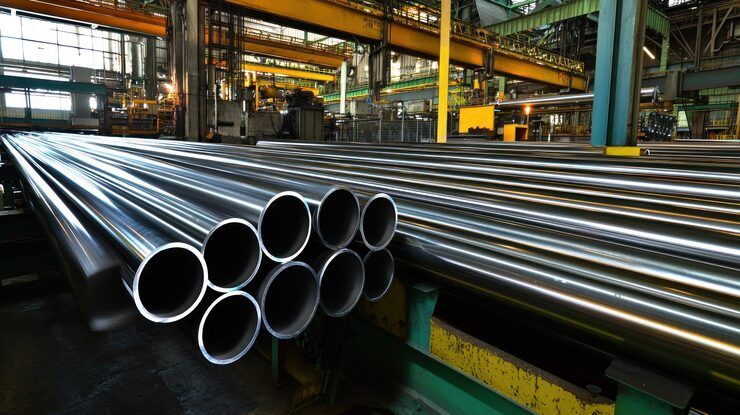
Pipe extrusion lines are industrial production systems used to manufacture continuous plastic pipes from polymer materials. These pipes are widely used in water distribution, drainage, irrigation, construction, telecommunications, gas distribution, and industrial fluid transportation. The technology makes it possible to produce pipes in different diameters, wall thicknesses, lengths, and material grades according to specific engineering requirements.
A typical pipe extrusion line melts plastic resin, shapes it through a specially designed die, cools the formed pipe, controls its dimensions, and cuts it into the required lengths or winds it into coils. The production process is designed to maintain consistent dimensions and material properties throughout the pipe.
Main Components of a Pipe Extrusion Line
A modern plastic pipe manufacturing line generally includes several connected machines. Each component performs a specific task, and the performance of the complete system depends on how effectively these components operate together.
Material feeding system: Transfers polymer pellets, powder, or prepared compounds into the extruder.
Extruder: Uses a rotating screw and a heated barrel to melt and mix the polymer.
Pipe extrusion die: Shapes the molten material into a continuous hollow profile.
Vacuum calibration unit: Helps establish the pipe's outside diameter and maintain dimensional accuracy.
Cooling tank: Removes heat from the pipe so that it retains its intended shape.
Haul-off unit: Pulls the pipe through the line at a controlled speed.
Cutting machine: Cuts rigid pipes into specified lengths.
Coiling unit: Winds flexible, smaller-diameter pipes into coils where appropriate.
Control system: Coordinates temperature, line speed, pressure, and other production parameters.
The arrangement depends on the pipe material, diameter range, production capacity, and intended application. Large-diameter drainage pipes, for example, require a different configuration from small irrigation tubes.
Why Pipe Extrusion Technology Matters
Plastic pipes play an important role in modern infrastructure because they can be lightweight, corrosion-resistant, and relatively easy to transport and install. Their performance depends on the selected polymer, pipe design, manufacturing quality, and conditions of use.
Pipe extrusion lines help manufacturers produce pipes with repeatable dimensions and controlled material characteristics. Consistent production is especially important for infrastructure projects in which pipes must connect correctly and withstand expected pressure, temperature, soil conditions, or chemical exposure.
Industries That Depend on Pipe Extrusion
Several industries use extruded plastic pipes and tubing for different purposes.
Water infrastructure: Polyethylene and PVC pipes are used in water distribution systems, depending on applicable standards and design requirements.
Agriculture: Irrigation systems use pipes and tubing to distribute water across fields and controlled growing environments.
Construction: Drainage, plumbing, electrical conduit, and rainwater management systems use different pipe types.
Energy infrastructure: Specialized polyethylene pipes may be used in approved gas distribution applications.
Telecommunications: Plastic ducts and conduits protect cables and support underground network installations.
Industrial processing: Selected polymer pipes transport compatible liquids, chemicals, or process materials.
Benefits of Accurate Production Control
Pipe dimensions directly affect installation, joint integrity, flow characteristics, and mechanical performance. Variations in wall thickness or diameter can create difficulties during assembly and may affect the pipe's ability to meet its specified requirements.
Modern extrusion systems use controlled heating, calibration, cooling, and haul-off speed to improve consistency. In-line measurement equipment can also identify dimensional deviations during production.
Important quality parameters include:
Outside diameter and wall thickness
Roundness and dimensional tolerances
Surface finish and visible defects
Material composition and melt consistency
Resistance to pressure, impact, or other specified loads
Long-term durability under intended operating conditions
Quality control must extend beyond the production line itself. Material handling, equipment maintenance, laboratory testing, and traceability also contribute to reliable pipe manufacturing.
Recent Developments in Pipe Extrusion Technology
Pipe extrusion technology continues to evolve through automation, improved process monitoring, energy management, and the development of materials with recycled content. These developments aim to improve manufacturing consistency, reduce material waste, and support changing infrastructure requirements.
Automation and Smart Manufacturing
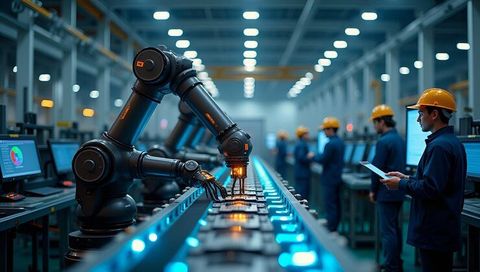
Modern pipe extrusion lines increasingly use digital controls and sensors to monitor production conditions. Operators can track temperature, melt pressure, vacuum levels, line speed, and wall thickness through centralized control panels.
Key developments include:
Automated adjustment of production parameters.
In-line laser measurement for pipe diameter and ovality.
Predictive maintenance based on equipment condition data.
Automatic cutting and product identification.
Digital production records for quality assurance.
In August 2026, industry reporting highlighted new extrusion technologies introduced around the K 2025 exhibition and in the following months, including higher-throughput equipment, improved process controls, and technology for handling more challenging recycled feedstocks. These developments reflect broader changes across plastics processing, although their suitability varies by pipe material and application.
Recycling and Energy Efficiency
Manufacturers are also examining how recycled polymer materials can be incorporated into suitable pipe products. Material selection must consider contamination, melt consistency, mechanical strength, and the requirements of the intended application.
Energy efficiency improvements include optimized screw designs, insulated heating zones, efficient electric drives, and improved cooling systems. The actual benefits depend on production conditions, equipment design, and maintenance practices.
Laws and Standards Affecting Pipe Extrusion
Pipe extrusion manufacturers must consider product specifications, industrial safety requirements, environmental regulations, and standards applicable to the intended use of their products. Requirements vary between countries and between pressure pipes, drainage pipes, electrical conduits, and other products.
Relevant Indian Standards
In India, the Bureau of Indian Standards (BIS) publishes specifications for various plastic pipe categories.
Important examples include:
IS 4984: Polyethylene pipes for water supply.
IS 4985: Unplasticized polyvinyl chloride (PVC-U) pipes for potable water supplies.
IS 13592: PVC-U pipes for soil and waste discharge systems, including ventilation and rainwater applications.
IS 14885: Polyethylene pipes for the supply of gaseous fuels.
The applicable edition, amendments, certification status, and any mandatory requirements should be checked for the specific product. A standard may specify dimensions, material properties, testing procedures, and performance requirements.
Environmental and Workplace Requirements
Manufacturing facilities must also consider applicable pollution control and industrial safety rules. These may cover air emissions, waste management, noise, machinery guarding, electrical safety, and the handling of polymer materials and additives.
The Plastic Waste Management Rules, as amended, are relevant to plastic waste management in India. Their precise applicability depends on the activity and regulatory definitions involved.
Compliance should be assessed against current national and state requirements rather than assumed from the machinery specification alone.
Tools and Resources for Pipe Manufacturing
Production teams use engineering tools and quality records to maintain consistent output and identify process problems.
Useful Manufacturing Tools
Wall thickness gauges: Measure pipe wall dimensions at selected locations.
Laser diameter measurement systems: Monitor outside diameter during production.
Melt pressure sensors: Track pressure changes inside the extrusion process.
Temperature controllers: Maintain suitable heating conditions across extruder zones.
Vacuum gauges: Monitor calibration tank conditions.
Energy monitoring systems: Track electricity consumption and production efficiency.
Laboratory testing equipment: Supports dimensional, impact, tensile, hydrostatic pressure, and other applicable tests.
Production Calculations and Quality Records
Manufacturers can use spreadsheets or manufacturing execution systems to record output, material consumption, downtime, and rejected products.
For example, production teams may calculate material usage per metre, hourly output, scrap percentage, and energy consumption per kilogram.
A basic scrap-rate calculation is:
Scrap Rate (%) = (Scrap Material ÷ Total Material Used) × 100
Regular review of these measurements can help identify inconsistent material feeding, excessive startup waste, cooling problems, or incorrect line settings.
Frequently Asked Questions
What materials are used in pipe extrusion lines?
Common materials include polyethylene (PE), high-density polyethylene (HDPE), PVC-U, and polypropylene (PP). The material depends on the intended application, operating pressure, temperature, chemical exposure, and relevant product standards.
What determines the production speed of a pipe extrusion line?
Production speed depends on extruder capacity, polymer properties, pipe diameter, wall thickness, cooling performance, calibration, and downstream equipment. Higher line speed is useful only when the finished pipe continues to meet the required quality specifications.
How is pipe wall thickness controlled?
Wall thickness is influenced by material output, haul-off speed, die design, centering, and process stability. In-line measurement and periodic physical checks help identify deviations and maintain dimensional consistency.
Can recycled plastic be used in pipe extrusion?
Recycled plastic can be used in certain pipe products when the material is suitable for the application and meets applicable specifications. Requirements may be stricter for potable water and pressure applications. Material traceability, contamination control, and product testing are important considerations.
How often should a pipe extrusion line be maintained?
Maintenance frequency depends on operating hours, material characteristics, machine design, and manufacturer guidance. Routine inspections should cover screws, barrels, heaters, drives, filters, cooling systems, calibration equipment, cutters, and safety controls. Condition-based monitoring can help identify developing problems before they interrupt production.
Conclusion
Pipe extrusion lines are essential to the production of plastic piping used in water infrastructure, agriculture, construction, telecommunications, and industrial applications. Their performance depends on coordinated extrusion, calibration, cooling, pulling, cutting, and quality control processes.
Automation, digital monitoring, energy-efficient equipment, and developments in recycled material processing are shaping modern extrusion technology. At the same time, manufacturers must consider product standards, material suitability, environmental requirements, and workplace safety.
A reliable pipe manufacturing process combines appropriate machinery, controlled production parameters, regular maintenance, and systematic quality testing. These practices help produce pipes that meet their intended performance requirements and support dependable infrastructure over the long term.