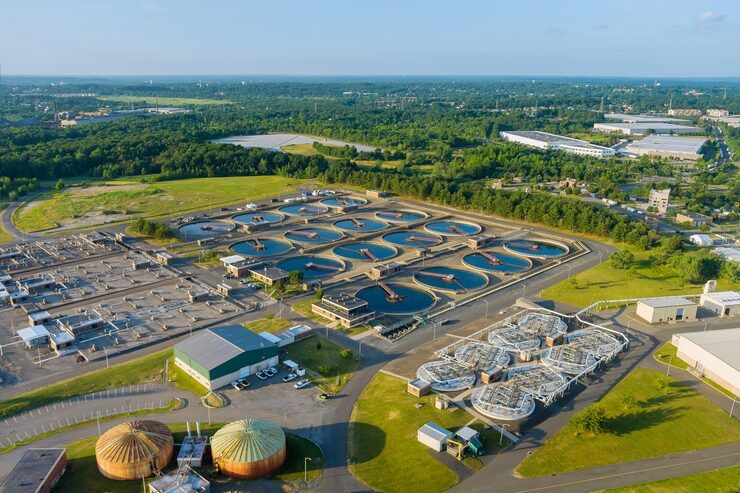
Portable wastewater plants are compact treatment systems designed to process wastewater at temporary locations, remote sites, and facilities that need flexible treatment capacity. Unlike conventional treatment plants built around permanent infrastructure, portable wastewater treatment systems can often be transported, installed, expanded, or relocated according to operational requirements.
These systems treat water from sources such as construction sites, temporary accommodation facilities, industrial operations, emergency shelters, and remote communities. Depending on their design, they can remove suspended solids, organic matter, nutrients, oils, and certain other contaminants before the treated water is discharged or reused.
Portable wastewater treatment plants may be manufactured as containerized units, skid-mounted equipment, trailer-based systems, or modular treatment packages. Their size and treatment capacity vary according to wastewater composition, daily flow, required treatment quality, and the intended use of the treated water.
How Portable Wastewater Treatment Works
A portable wastewater treatment plant typically uses several treatment stages. Each stage addresses a different group of contaminants, helping the overall system meet its intended performance requirements.
Common stages include:
Preliminary treatment: Screens remove larger materials, while grit separation can reduce the entry of sand and other abrasive particles.
Primary treatment: Settling tanks or similar equipment separate suspended solids from wastewater.
Biological treatment: Microorganisms break down biodegradable organic matter in processes such as activated sludge or moving bed biofilm reactors.
Filtration: Sand filters, membrane systems, or other filtration technologies remove remaining particles.
Disinfection: Chlorine, ultraviolet light, or another suitable process reduces microorganisms when required.
Sludge management: Collected solids are thickened, dewatered, stored, and transported for appropriate treatment or disposal.
Not every portable plant includes every stage. The required treatment process depends on the wastewater source, the discharge destination, and the applicable environmental standards.
Common Types of Portable Treatment Systems
Several technologies are used in portable and modular wastewater treatment.
Containerized wastewater treatment plants: Treatment equipment is installed within transportable containers for convenient deployment.
Moving bed biofilm reactor (MBBR) systems: Microorganisms grow on specially designed carriers to support biological treatment.
Membrane bioreactor (MBR) systems: Biological treatment is combined with membrane filtration to produce a treated effluent with low suspended-solids content.
Sequencing batch reactor (SBR) systems: Biological treatment and settling occur in timed cycles within a reactor.
Package sewage treatment plants: Compact units treat domestic sewage from facilities such as temporary housing, camps, and small developments.
The selection of a technology should consider wastewater characteristics, available land, power supply, climate, operator capability, and maintenance requirements.
Importance of Portable Wastewater Plants Today
Water scarcity, population growth, temporary infrastructure projects, and environmental protection requirements have increased the need for flexible wastewater management. Portable wastewater plants can help address treatment needs in places where conventional sewer networks or permanent treatment facilities are unavailable, overloaded, or impractical.
Where Portable Wastewater Plants Are Used
These systems support a range of applications:
Construction sites: Treat wastewater from worker accommodation, sanitation facilities, and site operations.
Remote communities: Provide local wastewater treatment where centralized sewer infrastructure is limited.
Disaster response: Support sanitation and wastewater management in temporary shelters following floods, storms, or other emergencies.
Industrial facilities: Treat selected process wastewater or sanitary wastewater, depending on system design.
Temporary events: Manage wastewater from camps, festivals, and seasonal facilities.
Infrastructure projects: Provide treatment during sewer upgrades, facility expansion, or maintenance periods.
Environmental and Operational Benefits
Portable wastewater treatment can reduce the volume of untreated wastewater entering rivers, lakes, groundwater, and coastal environments. Properly treated water may also be reused for applications such as toilet flushing, landscape irrigation, dust suppression, and selected industrial processes when the quality is appropriate.
Additional advantages include:
Modular capacity that can be adjusted to changing demand.
Reduced dependence on long-distance wastewater transportation.
Potentially faster deployment than constructing permanent infrastructure.
Opportunities to recover water and manage wastewater close to its source.
Flexible installation in locations with limited available space.
However, portability does not automatically guarantee low energy use, low operating expenses, or complete contaminant removal. Performance depends on wastewater characteristics, equipment configuration, electricity availability, operator skills, and maintenance practices.
Recent Developments in Portable Wastewater Treatment
During 2025 and 2026, wastewater management continued to evolve through modular treatment technology, water reuse initiatives, digital monitoring, and improvements in decentralized sanitation.
Modular and Decentralized Treatment
Decentralized wastewater treatment systems are receiving attention in locations where centralized treatment infrastructure is difficult to extend. Modular plants can be configured to meet the needs of individual buildings, industrial sites, rural communities, or temporary facilities.
In January 2026, research and technology developments included a published international patent application describing a modular bio-electrocatalytic device for treating pharmaceutical and industrial wastewater. The proposed approach combines biological and electrochemical processes. It represents an emerging technology rather than proof that every portable treatment plant can achieve the same results.
Greater Emphasis on Water Reuse
Water reuse is increasingly considered part of integrated water resource management. Treated wastewater can supplement freshwater supplies when its quality matches the intended application and appropriate safeguards are in place.
In October 2025, Maharashtra approved a sewage treatment and reuse policy focused on expanding treatment and the reuse of treated sewage across urban local bodies. The policy highlights the growing role of wastewater recycling in regional water management.
Digital Monitoring and Automation
Modern treatment systems may use sensors, programmable controllers, and remote monitoring tools to track operating conditions.
Examples include:
Monitoring dissolved oxygen in biological treatment tanks.
Measuring pH and flow rates.
Tracking membrane pressure and filter performance.
Recording operating hours, alarms, and maintenance activities.
Monitoring selected effluent parameters for regulatory reporting.
These developments can improve operational oversight, but automated readings require appropriate calibration and periodic verification. Remote monitoring also depends on reliable power and communication infrastructure.
Laws and Policies Affecting Portable Wastewater Plants in India
Portable wastewater plants must comply with applicable environmental requirements regardless of whether they are permanent, mobile, or containerized. The rules depend on the type of wastewater, the treatment capacity, the location, and whether the treated water will be discharged or reused.
Major Environmental Laws
Water (Prevention and Control of Pollution) Act, 1974
This law establishes the framework for preventing and controlling water pollution. State Pollution Control Boards and Pollution Control Committees oversee relevant activities, including applicable consent requirements for wastewater discharge and treatment installations.
Environment (Protection) Act, 1986
This legislation empowers the central government to establish environmental standards and issue rules for protecting the environment. Applicable effluent standards and notifications may affect how a portable treatment plant must operate.
Environmental standards for sewage treatment plants
India has notified standards governing the discharge of treated sewage from sewage treatment plants. Relevant parameters can include pH, biochemical oxygen demand (BOD), total suspended solids (TSS), and fecal coliform. Applicable limits depend on the relevant notification, location, and discharge requirements.
Government Programs and Compliance
Government initiatives such as the Swachh Bharat Mission and Atal Mission for Rejuvenation and Urban Transformation (AMRUT) support sanitation, wastewater management, and urban infrastructure improvements. Their specific activities and eligibility requirements vary by program.
Before deploying a portable wastewater plant, operators should consider:
Whether consent or authorization is required from the relevant pollution control authority.
Applicable treated-effluent discharge standards.
Permissions for wastewater collection, transport, or discharge where required.
Requirements for sludge handling and disposal.
Monitoring, recordkeeping, and periodic testing obligations.
Additional restrictions that apply to sensitive locations or industrial wastewater.
Treated wastewater should not automatically be considered suitable for drinking, irrigation, or industrial reuse. Each application requires appropriate quality assessment and compliance with relevant standards.
Tools and Resources for Wastewater Management
Technical tools help engineers and facility managers evaluate wastewater flows, select treatment processes, and monitor plant performance.
Useful Calculators and Monitoring Tools
Wastewater flow calculator: Estimates daily wastewater volume based on population, occupancy, or industrial flow measurements.
Hydraulic retention time calculator: Estimates the time wastewater remains in a treatment tank based on tank volume and flow rate.
BOD and COD testing equipment: Measures indicators of organic pollution and helps assess treatment performance.
pH meter: Measures acidity or alkalinity during treatment.
Dissolved oxygen meter: Helps monitor oxygen availability in biological treatment systems.
Flow meter: Records the volume of wastewater entering or leaving a plant.
Sludge volume and dewatering records: Support sludge management and maintenance planning.
Reference Materials and Documentation
Environmental professionals can consult technical publications and regulatory guidance from the Central Pollution Control Board, State Pollution Control Boards, the Ministry of Environment, Forest and Climate Change, and the World Health Organization.
Useful operational documents include:
Wastewater sampling and testing records.
Plant inspection checklists.
Preventive maintenance schedules.
Effluent quality monitoring logs.
Sludge handling records.
Emergency response procedures.
The following table compares common portable wastewater treatment technologies.
Technology | Primary function | Important consideration |
|---|---|---|
MBBR | Biological treatment of organic pollutants | Aeration and carrier movement |
MBR | Biological treatment and membrane filtration | Membrane fouling and cleaning |
SBR | Biological treatment in timed cycles | Cycle control and equalization |
Sand filtration | Removal of suspended particles | Backwashing and filter condition |
UV disinfection | Reduction of microorganisms | Water clarity and UV intensity |
Chemical disinfection | Microbial inactivation | Dosage, contact time, and residuals |
Frequently Asked Questions
What is a portable wastewater treatment plant?
A portable wastewater treatment plant is a transportable system that treats sewage or selected wastewater streams. It may be installed in a container, on a skid, or on a trailer and can be used at temporary, remote, or decentralized locations.
How much wastewater can a portable plant treat?
Treatment capacity varies by model and configuration. Small systems may handle wastewater from individual facilities, while larger modular installations can treat substantially greater daily volumes. Capacity should be selected according to measured flow, peak demand, wastewater characteristics, and required effluent quality.
Can treated wastewater be reused?
Yes, when the treatment process produces water that meets the requirements for the intended use. Depending on quality and local regulations, possible applications include toilet flushing, irrigation, dust suppression, and certain industrial processes. Additional filtration or disinfection may be necessary.
How often does a portable wastewater plant require maintenance?
Maintenance frequency depends on the treatment technology, incoming wastewater, operating conditions, and manufacturer guidance. Routine activities may include removing accumulated solids, inspecting pumps, checking aeration equipment, cleaning filters, monitoring membranes, and testing treated effluent.
Are portable wastewater plants subject to environmental regulations in India?
Yes. Applicable environmental laws, discharge standards, consent conditions, and monitoring requirements can apply to portable plants. Operators should confirm the requirements with the relevant State Pollution Control Board or Pollution Control Committee before installation and operation.
Conclusion
Portable wastewater plants provide a flexible approach to wastewater treatment in temporary facilities, remote communities, construction projects, and industrial locations. Containerized systems, modular biological treatment, membrane filtration, and disinfection technologies can address different treatment requirements when appropriately designed and operated.
Recent developments in decentralized sanitation, water reuse, and digital monitoring are expanding the options available for wastewater management. Nevertheless, treatment performance depends on proper system selection, reliable operation, regular maintenance, and compliance with applicable environmental standards.
By assessing wastewater characteristics, daily flow, discharge requirements, and opportunities for safe reuse, organizations can determine whether a portable wastewater treatment plant is appropriate for their needs.