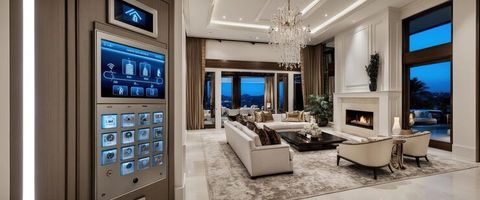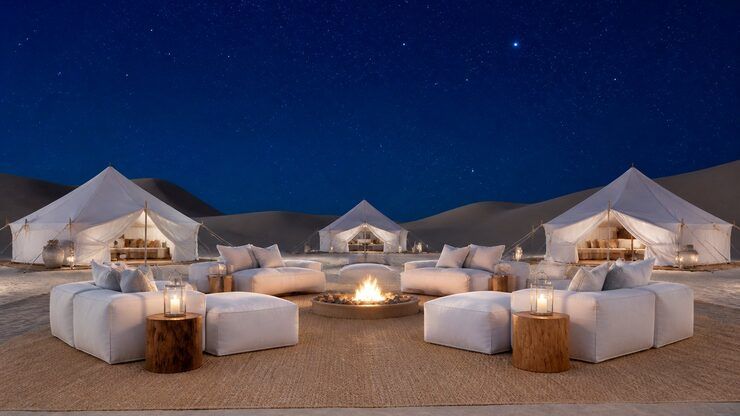
Desert luxury tents combine traditional tent structures with modern accommodation features in arid landscapes. They are commonly associated with desert tourism in destinations such as the United Arab Emirates, Saudi Arabia, Oman, Morocco, Jordan, and parts of North Africa.
Unlike conventional camping shelters, luxury desert tents may include insulated walls, private bathrooms, furnished sleeping areas, electricity, climate-control systems, shaded outdoor spaces, and large windows designed to frame the surrounding landscape. Their design aims to provide a comfortable indoor environment while allowing visitors to experience the desert's natural scenery.
These structures vary considerably. Some are lightweight canvas tents used at seasonal camps, while others are permanent or semi-permanent hospitality structures supported by engineered frames, raised platforms, and specialized building systems.
Understanding Desert Tent Design
Desert environments create specific design challenges. Temperatures can rise sharply during the day, while nights may become considerably cooler. Windblown sand, limited water availability, strong sunlight, and occasional heavy rainfall also influence construction and operation.
Desert luxury tents therefore require more than attractive interiors. Their performance depends on the relationship between materials, ventilation, insulation, structural stability, and the surrounding environment.
Common design features include:
Weather-resistant outer fabrics
Insulated roof and wall assemblies
Reinforced frames and anchoring systems
Shaded entrances and outdoor seating areas
Solar-powered lighting
Energy-efficient cooling equipment
Water-efficient bathrooms
Raised or carefully drained foundations
Window placement that balances views and heat control
The most suitable design depends on the location, expected occupancy, seasonal conditions, and whether the tent is intended for temporary or long-term use.
Types of Luxury Desert Tents
Different structures serve different purposes within desert hospitality.
Canvas safari tents use fabric coverings and framed supports. They are often selected for seasonal accommodation and can provide an outdoor-oriented experience.
Geodesic dome tents use interconnected structural members to create a rounded enclosure. Their geometry can provide a distinctive interior layout, although insulation, ventilation, and solar exposure still require careful consideration.
Modular luxury tents use prefabricated components that can be assembled at a site. Standardized sections may simplify installation and maintenance.
Permanent desert suites combine tent-like architectural forms with more substantial foundations, insulated panels, private facilities, and engineered building systems.
Traditional-inspired tents incorporate regional design influences, including shaded gathering areas, geometric textiles, natural colors, and layouts that reflect local architectural traditions.
Why Desert Luxury Tents Matter
Desert luxury tents are part of the wider development of nature-based tourism. They allow accommodation operators to create visitor experiences in landscapes where conventional buildings may have a larger visual footprint or require more extensive site preparation.
However, their environmental performance depends on the entire development, including water consumption, energy generation, waste management, transportation, construction materials, and land disturbance.
Comfort in Extreme Conditions
A major purpose of desert tent engineering is to maintain reasonable indoor conditions despite changing outdoor temperatures.
Insulated roof assemblies, reflective exterior fabrics, ventilated air gaps, and carefully positioned openings can help reduce unwanted heat gain. Efficient cooling systems may also be necessary in particularly hot climates.
During colder nights, insulation and appropriate heating systems can help maintain comfort. Equipment must be selected according to local fire-safety rules and manufacturer requirements.
Supporting Desert Tourism
Desert accommodation can introduce visitors to landscapes, local food traditions, astronomy, geology, wildlife, and regional cultural practices.
Well-planned developments may also support local transport operators, guides, food producers, artisans, and maintenance workers.
Responsible planning is important because desert ecosystems can be fragile. Excessive construction, uncontrolled vehicle movement, and poorly managed waste can damage vegetation and disturb wildlife.
Comparing Desert Tent Types
| Tent Type | Main Characteristic | Important Design Consideration |
|---|---|---|
| Canvas safari tent | Fabric-covered structure | Weather resistance and insulation |
| Geodesic dome | Rounded geometric frame | Ventilation and solar exposure |
| Modular tent | Prefabricated components | Assembly and maintenance |
| Permanent tent suite | Substantial structure with tent-inspired design | Building approval and utilities |
| Traditional-inspired tent | Regional architectural influences | Cultural authenticity and material selection |
Recent Developments and Industry Trends
During 2025 and 2026, desert hospitality has continued to reflect wider trends in sustainable tourism, architectural integration, energy efficiency, and digitally managed accommodation.
Saudi Arabia's Desert Tourism Development
Saudi Arabia's tourism and hospitality development programs continue to include desert landscapes as part of the country's broader destination strategy. Projects associated with the Red Sea region and other tourism destinations have emphasized landscape-sensitive architecture, environmental management, and visitor experiences connected with natural surroundings.
In January 2025, Saudi Arabia's Red Sea destination announced the opening of additional hospitality facilities as part of its phased development. Although the destination includes coastal rather than exclusively desert accommodation, its emphasis on environmental planning illustrates a broader approach to hospitality development in sensitive natural settings.
Energy-Efficient Tent Design
A continuing design trend is the use of reflective exterior materials, improved insulation, solar energy, efficient lighting, and automated climate controls.
These measures can reduce energy demand when properly designed, although performance varies with tent orientation, occupancy, local temperatures, and equipment efficiency.
Digital Accommodation Management
Digital booking systems, mobile check-in, occupancy monitoring, and smart temperature controls are increasingly used in hospitality operations.
For desert properties, these systems can also support maintenance scheduling, energy monitoring, water-use tracking, and communication about weather conditions.
Sustainability and Local Design
Architects and hospitality planners are paying greater attention to the visual relationship between accommodation and the landscape.
Earth-toned exteriors, locally appropriate materials, shaded pathways, reduced ground disturbance, and regional design references can help a development fit its setting. However, claims about sustainability should be based on measurable performance rather than appearance alone.
Laws, Regulations, and Environmental Policies
The rules governing desert luxury tents depend on the country, local authority, land designation, and type of structure. A temporary camping tent may be regulated differently from a permanent accommodation building.
Planning and Construction Approvals
In the United Arab Emirates, Saudi Arabia, Oman, and other desert destinations, development may require land-use approval, construction permits, fire-safety compliance, and tourism-related authorization.
Authorities may assess structural stability, wind resistance, electrical installations, emergency access, sanitation, and safe occupancy.
Tent structures intended for permanent or repeated commercial use should not automatically be treated as exempt from building regulations.
Fire and Guest Safety
Fabric structures require careful fire-risk management. Appropriate precautions may include compliant electrical installations, suitable fire detection equipment, clear escape routes, emergency lighting, and safe separation from cooking or heating equipment.
Generators, fuel storage, and outdoor cooking facilities require particular attention to ventilation, ignition risks, and carbon monoxide exposure.
Water and Environmental Management
Desert developments can place pressure on limited water resources. Responsible planning may involve efficient fixtures, wastewater treatment, leak detection, and approved waste-disposal arrangements.
Projects located within protected landscapes may face additional restrictions concerning wildlife, vegetation, night lighting, vehicle access, and construction disturbance.
Cultural and Community Considerations
Developments should respect local heritage, land-use rights, cultural practices, and community expectations. Environmental and cultural assessments may be required for projects in sensitive locations.
Tools and Resources for Planning
Several technical resources can help evaluate desert tent design and operation.
Climate and Weather Information
Climate records and weather forecasts help determine expected temperature ranges, wind speeds, rainfall, and seasonal conditions.
Design teams can use these details to assess insulation, shading, drainage, anchoring, and cooling requirements.
Energy and Water Calculators
Energy calculators can estimate electricity demand for lighting, cooling, refrigeration, and other equipment. Water-use calculators can estimate daily demand based on occupancy, bathrooms, laundry, and food preparation.
These estimates should reflect actual operating conditions rather than relying on generic figures.
Design and Safety Resources
Useful resources include:
Local building and planning departments
Fire-safety authorities
Structural engineering guidance
Manufacturer installation manuals
Environmental impact assessment guidance
Sustainable tourism frameworks
Water and energy monitoring tools
Planning Checklist
Before developing a desert tent site, assess the following factors.
| Planning Factor | Key Question |
|---|---|
| Location | Is the land appropriate for accommodation? |
| Climate | Can the structure withstand local conditions? |
| Materials | Are fabrics and insulation suitable for the environment? |
| Energy | How will cooling and lighting be powered? |
| Water | What are the supply and wastewater arrangements? |
| Safety | Are fire protection and emergency access adequate? |
| Environment | How will wildlife and vegetation be protected? |
| Maintenance | Can components be inspected and repaired safely? |
Frequently Asked Questions
What are desert luxury tents?
Desert luxury tents are accommodation structures designed for desert environments. Depending on the design, they may include insulated walls, furnished sleeping areas, private bathrooms, electricity, climate control, and outdoor seating.
Are luxury desert tents suitable for extreme heat?
They can be designed for hot climates, but performance depends on insulation, shading, ventilation, cooling equipment, and local weather conditions. Not every tent is suitable for every desert environment.
What materials are commonly used?
Common materials include treated canvas, technical fabrics, steel or aluminum frames, insulated panels, weather-resistant flooring, and specialized glazing. Material selection depends on structural requirements, climate, maintenance, and fire-safety rules.
Are desert luxury tents environmentally sustainable?
They can incorporate energy-efficient systems, solar power, water-saving fixtures, and reduced site disturbance. However, sustainability depends on the full development, including water sourcing, energy use, transportation, waste management, and effects on local ecosystems.
What regulations apply to desert tent accommodation?
Requirements vary by country and location. They may include planning permission, building safety, fire protection, tourism licensing, sanitation, environmental assessments, and rules for protected areas.
Conclusion
Desert luxury tents combine outdoor experiences with modern accommodation design. Their successful operation depends on suitable materials, climate-responsive engineering, safe utilities, efficient resource use, and respect for local environments.
Developments in sustainable tourism, digital management, energy efficiency, and landscape-sensitive architecture continue to influence this sector. Nevertheless, features such as solar power or natural materials do not automatically make a property environmentally sustainable.
A well-planned desert accommodation project considers climate, structural safety, water availability, energy demand, environmental protection, local regulations, and cultural context from the beginning. These considerations help create accommodation that is practical, comfortable, and better suited to the conditions of desert landscapes.