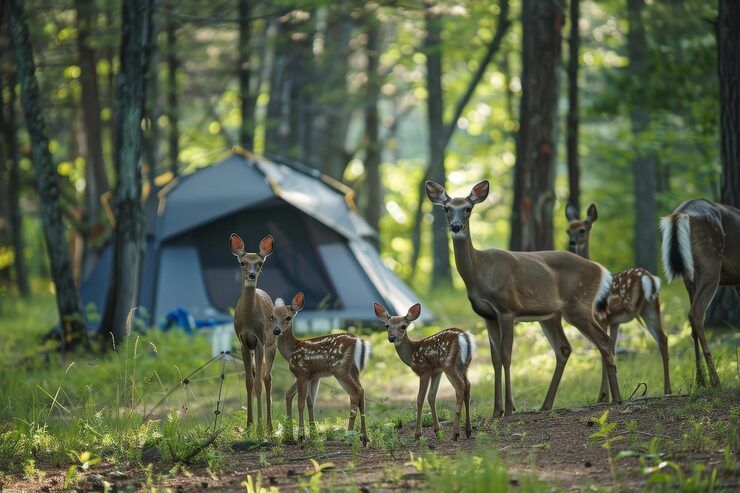
Ethical wildlife camps are nature-based destinations that aim to protect wildlife, support conservation, and educate visitors while reducing harm to animals and their habitats. They may operate near national parks, wildlife reserves, forests, wetlands, or other natural environments where wildlife can be observed under appropriate conditions.
These camps can include conservation-focused accommodation, guided wildlife observation, educational activities, habitat restoration projects, and programs that support local communities. Their approach differs from wildlife attractions that prioritize close physical contact, performances, or entertainment involving animals.
However, the term “ethical wildlife camp” does not automatically guarantee high animal welfare standards. Responsible evaluation requires examining animal treatment, conservation outcomes, environmental practices, staff qualifications, and compliance with local laws.
Understanding Ethical Wildlife Camps
Wildlife camps vary considerably depending on their location and purpose. Some focus on observing animals in their natural habitats, while others work with rescued or rehabilitated wildlife that cannot safely return to the wild.
Common activities may include:
Guided wildlife observation from designated areas
Educational sessions about local ecosystems
Habitat restoration and conservation projects
Responsible birdwatching and nature photography
Wildlife monitoring and research
Environmental awareness programs
Community-led conservation initiatives
Observation of animals from suitable distances
The most responsible programs prioritize the animals' needs rather than arranging activities solely for visitor entertainment.
Wildlife Observation Versus Direct Interaction
An important distinction is whether visitors observe animals in natural settings or participate in direct-contact activities.
Wildlife observation generally allows animals to move, feed, rest, and interact according to their natural behavior. Direct-contact activities can create stress, increase disease transmission, alter feeding behavior, and expose both people and animals to injury.
Ethical wildlife camps should avoid practices such as forced animal performances, unnecessary handling, unrestricted feeding, and interactions that compromise animal welfare.
Rescue and rehabilitation facilities require separate consideration. Some animals need temporary human care because of injury, trafficking, or habitat loss, but the presence of rescued animals alone does not establish that a facility follows appropriate welfare practices.
How Ethical Wildlife Camps Operate
Responsible facilities may use wildlife management plans, veterinary oversight, trained guides, habitat assessments, visitor limits, and monitoring systems.
Their operations may also include waste reduction, water conservation, renewable energy, and cooperation with nearby communities.
The specific measures depend on the ecosystem, the species involved, and whether the camp operates as an observation destination, rehabilitation center, research facility, or conservation project.
Why Ethical Wildlife Camps Matter
Wildlife tourism can influence how people understand biodiversity and the relationship between human activities and natural environments.
When managed responsibly, it can support conservation education and encourage respect for animals without requiring direct contact.
Animal Welfare and Natural Behavior
Animals need suitable habitat, nutrition, space, shelter, veterinary care where necessary, and opportunities to display natural behaviors.
Ethical wildlife management considers these needs when designing visitor activities and animal enclosures.
For example, a responsible viewing program may limit group sizes, prohibit feeding, maintain observation distances, and suspend activities when animals show signs of stress.
These measures help reduce disturbance and allow wildlife to behave more naturally.
Biodiversity and Habitat Protection
Wildlife camps operating near protected landscapes can contribute to conservation through habitat restoration, monitoring, education, and cooperation with conservation authorities.
Potential benefits include:
Protection of native vegetation
Monitoring of threatened species
Restoration of degraded habitats
Reduced disturbance in sensitive areas
Support for conservation research
Education about ecological relationships
These outcomes should be assessed through documented activities rather than promotional statements alone.
Local Communities and Sustainable Tourism
Local communities often have important knowledge about wildlife, land management, and environmental change.
Responsible wildlife tourism can create opportunities for local participation in guiding, conservation planning, cultural education, and the management of natural areas.
Ethical programs should respect local rights, recognize community knowledge, and avoid restricting traditional land use without appropriate consultation and legal processes.
Environmental Management
Wildlife camps operate within ecosystems that can be affected by water consumption, waste generation, vehicle movement, artificial lighting, and construction.
A responsible camp assesses these impacts and adopts measures appropriate to its location.
Examples include controlled waste disposal, low-impact infrastructure, efficient water use, limits on off-road driving, and restrictions on nighttime disturbance.
Recent Developments in Wildlife Conservation
During 2025 and 2026, wildlife conservation discussions increasingly emphasized biodiversity protection, illegal wildlife trade, ecosystem restoration, and measurable outcomes from nature-based tourism.
International Wildlife Trade Controls
At the 20th meeting of the Conference of the Parties to the Convention on International Trade in Endangered Species of Wild Fauna and Flora, scheduled for November 2025 in Samarkand, Uzbekistan, governments considered proposals and implementation issues related to international wildlife trade controls.
CITES regulates international trade in listed species through a framework of permits, restrictions, and enforcement obligations. These controls are relevant to wildlife tourism facilities that work with protected animals or handle wildlife-derived products.
The precise restrictions depend on the species, its listing, and the activity involved.
Biodiversity and Habitat Restoration
International conservation programs have continued to emphasize habitat protection, restoration of degraded ecosystems, and the involvement of local communities in biodiversity management.
These priorities are relevant to wildlife camps because the long-term survival of many species depends on intact habitats, suitable food sources, connected landscapes, and reduced human disturbance.
Responsible Wildlife Tourism
Wildlife tourism has also placed greater emphasis on distinguishing genuine conservation activities from entertainment-based attractions.
Visitors increasingly need clear information about animal welfare policies, conservation funding, rehabilitation outcomes, and environmental management.
A credible camp should be able to explain its practices and provide evidence of its conservation activities without making unsupported claims about its impact.
Laws, Policies, and Wildlife Protection
The laws governing ethical wildlife camps vary by country, species, land ownership, and the type of activity conducted.
Facilities may need permits relating to wildlife possession, protected-area access, animal rehabilitation, tourism operations, environmental management, and land development.
International Wildlife Regulations
The Convention on International Trade in Endangered Species of Wild Fauna and Flora (CITES) is an international agreement that regulates cross-border trade in listed wild animals and plants.
Its appendices establish different levels of protection, with trade controls depending on the species and circumstances.
CITES does not independently regulate every aspect of wildlife tourism, but it can be relevant when protected animals are transported internationally or when wildlife specimens are involved.
National Wildlife Protection Laws
Countries generally establish their own wildlife and protected-area legislation.
For example, India's Wild Life (Protection) Act, 1972, as amended, provides a legal framework for wildlife protection and regulates activities involving protected species.
In the United States, federal laws such as the Endangered Species Act protect listed species and address certain activities affecting them. State laws and protected-area rules can impose additional requirements.
A camp's legal obligations depend on its location, species, activities, and permits.
Visitor Conduct and Protected Areas
National parks and wildlife reserves commonly impose rules intended to reduce disturbance.
Visitors may be required to:
Remain on designated paths or in authorized vehicles
Maintain prescribed distances from animals
Avoid feeding wildlife
Follow guide instructions
Respect seasonal closures
Avoid littering and unauthorized fires
Follow photography and drone restrictions
These measures support visitor safety and help protect wildlife from unnecessary disturbance.
Tools and Resources for Evaluating Wildlife Camps
Visitors can use several resources to assess whether a wildlife destination follows responsible practices.
Official Conservation Authorities
Government wildlife departments and national park authorities publish information about protected species, habitat management, permits, and visitor rules.
These sources can help verify whether a camp operates within a recognized protected area and whether particular activities are permitted.
Conservation Organizations
Organizations such as the International Union for Conservation of Nature and the World Wildlife Fund publish educational material about biodiversity, habitat protection, endangered species, and conservation planning.
Their resources can help visitors understand the ecological issues associated with a destination.
Wildlife Welfare Checklists
Before choosing a camp, consider the following questions:
Can animals avoid contact with visitors?
Are feeding and handling practices clearly explained?
Is veterinary care available when required?
Does the facility describe its conservation objectives?
Are animal enclosures appropriate for the species?
Are visitor numbers and noise controlled?
Does the camp cooperate with local communities?
Can its environmental claims be supported by evidence?
Digital Maps and Environmental Information
Mapping applications, park websites, weather forecasts, and local environmental reports can help visitors understand habitat conditions and access restrictions.
These resources are especially useful when planning visits during breeding seasons, migration periods, wildfire conditions, or periods of extreme heat.
Frequently Asked Questions
What makes a wildlife camp ethical?
An ethical wildlife camp prioritizes animal welfare, protects natural habitats, follows applicable laws, and provides transparent information about its activities. Responsible management also considers local communities and environmental impacts.
Are wildlife camps suitable for families?
Some camps provide educational nature activities suitable for families, but age restrictions, terrain, wildlife risks, and accommodation conditions vary. Visitors should review safety arrangements and the suitability of activities for children.
Should visitors feed or touch wild animals?
Generally, visitors should not feed or touch wild animals unless an activity is specifically authorized and professionally managed under appropriate welfare standards. Feeding and handling can change animal behavior and create health or safety risks.
How can visitors identify misleading conservation claims?
Look for documented conservation projects, clear animal welfare policies, appropriate permits, independent assessments where available, and transparent explanations of how activities support wildlife. Claims that cannot be substantiated should be treated cautiously.
Do ethical wildlife camps support local communities?
Some do through local employment, community partnerships, education, habitat management, and locally led tourism activities. The extent of these benefits varies, so visitors should examine the camp's actual practices rather than assuming every facility provides the same outcomes.
Conclusion
Ethical wildlife camps can help connect nature-based travel with wildlife education, habitat conservation, and responsible environmental management. Their value depends on how they treat animals, protect ecosystems, follow applicable laws, and work with surrounding communities.
Recent conservation priorities reinforce the importance of protecting biodiversity, managing international wildlife trade, and evaluating environmental claims through evidence. Visitors can contribute by choosing observation-based activities, respecting wildlife boundaries, and checking the credibility of conservation programs.
A responsible approach recognizes that wildlife protection must take priority over entertainment. By combining careful research with respect for animals, local communities, and protected landscapes, visitors can make better-informed decisions about wildlife tourism and conservation-focused travel.