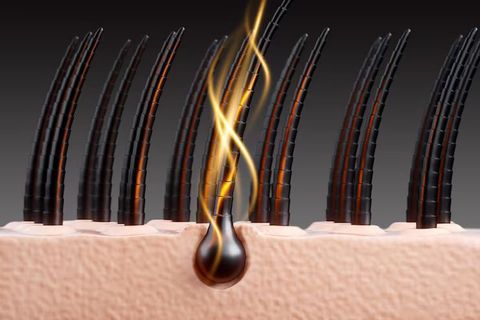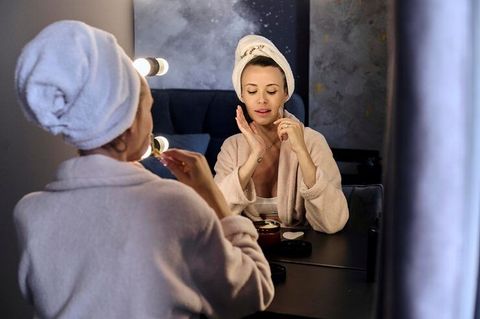
Glowing skin is generally associated with skin that looks healthy, hydrated, smooth, and reasonably even in tone.
Learning glowing skin basics involves understanding daily skin care, hydration, sun protection, cleansing, nutrition, sleep, and the factors that can influence the appearance of the skin.
A simple skin care routine does not need to be complicated. Helpful tips and skin care insights can help people understand their individual skin needs, recognize common concerns, and make informed choices about everyday habits and products.

Context – Understanding Glowing Skin Basics
The phrase “glowing skin” does not describe a specific medical condition. It is commonly used to describe skin that appears hydrated, comfortable, smooth, and relatively even. Natural skin characteristics vary considerably between individuals because of genetics, age, environment, hormones, and other factors.
Healthy-looking skin begins with the skin barrier. This outer layer helps limit water loss and provides protection against environmental factors. When the barrier is disrupted, people may experience dryness, sensitivity, flaking, redness, or irritation.
Skin type is another useful starting point. Common categories include normal, dry, oily, combination, and sensitive skin. These categories are broad rather than medical diagnoses, and a person's skin characteristics can change over time.
A basic routine commonly includes:
- Gentle cleansing to remove accumulated dirt, sweat, and other substances.
- Moisturizing to support skin hydration and barrier function.
- Sun protection to reduce exposure to ultraviolet radiation.
- Careful introduction of active ingredients when appropriate.
Glowing skin should not be confused with perfectly clear or completely uniform skin. Pores, fine lines, pigmentation, blemishes, and variations in texture can all occur in healthy skin.
Importance – Why Skin Care Matters
Skin is the body's largest organ and performs several important functions, including protection from the external environment and helping regulate body temperature. Maintaining the skin barrier can therefore be relevant to both comfort and appearance.
Sun exposure is an important consideration. Ultraviolet radiation can contribute to premature skin aging and pigmentation changes and can increase the risk of skin cancer. Regular sun protection is therefore an important part of general skin health.
Skin care can affect different groups in different ways. Teenagers may experience changes related to hormones and acne, while adults may notice dryness, pigmentation, fine lines, or changes in skin texture. Older adults can experience thinner and drier skin as natural aging progresses.
Lifestyle factors can also influence how skin looks and feels. Adequate sleep, balanced nutrition, regular physical activity, and avoiding tobacco exposure can support overall health, which can indirectly affect skin appearance.
It is also useful to recognize when a skin concern requires professional attention. Persistent rashes, rapidly changing moles, severe acne, unexplained wounds, significant swelling, or ongoing irritation may require evaluation by a qualified healthcare professional.
Recent Updates – Trends and Developments
Modern skin care has increasingly focused on maintaining the skin barrier rather than using numerous active ingredients at the same time. Products and routines emphasizing gentle cleansing, moisturization, and appropriate sun protection have become common areas of discussion.
Another development is greater interest in ingredients with specific functions. Examples include niacinamide, retinoids, vitamin C, alpha hydroxy acids, beta hydroxy acids, ceramides, and hyaluronic acid. Their effects and tolerability vary, and not every ingredient is appropriate for every person.
Personalized skin care is also receiving attention. Digital skin analysis tools, questionnaires, and educational platforms may help people organize information about their routines. However, automated assessments should not be treated as a substitute for professional diagnosis.
Ingredient transparency has also become increasingly important. Consumers commonly look at ingredient lists to understand what a formulation contains and to identify substances that may have caused irritation previously.
Another important trend is greater awareness of sunscreen. Broad-spectrum protection, appropriate application, and reapplication when necessary remain central principles of protection from ultraviolet radiation.
Laws or Policies – Skin Care Regulations
Skin care products are regulated differently depending on the country or region. Regulations generally address areas such as product safety, labeling, ingredient restrictions, manufacturing requirements, and claims made about a product.
In the United States, the Food and Drug Administration regulates cosmetics under federal law. Some products that are intended to treat or prevent diseases, or affect the structure or function of the body, may fall under drug regulations rather than being regulated only as cosmetics.
In the European Union, cosmetic products are governed by the EU Cosmetics Regulation. The framework includes requirements concerning product safety, responsible persons, ingredient restrictions, labeling, and safety assessment.
In India, cosmetics are regulated under the Drugs and Cosmetics Act and associated rules and regulations. The regulatory framework includes requirements concerning the manufacture, import, quality, labeling, and safety of cosmetics.
A useful distinction is between cosmetic claims and medical claims. A statement describing appearance may generally fall within cosmetic communication, while claims about treating or preventing a disease can involve additional regulatory requirements.
Because regulations can change, readers should consult the relevant national regulator for current requirements rather than relying on outdated summaries.
Tools and Resources – Helpful Skin Care Information
Reliable educational resources can make it easier to understand skin health and develop reasonable routines. Government health agencies, dermatology organizations, and established medical institutions can provide information about common skin conditions, sun protection, and ingredient safety.
Useful resources include:
- U.S. Food and Drug Administration resources for cosmetic regulations and product information.
- American Academy of Dermatology educational materials covering common skin concerns and skin care practices.
- World Health Organization information about ultraviolet radiation and health.
- European Commission resources concerning cosmetic product regulations in the European Union.
- India's Central Drugs Standard Control Organisation for regulatory information concerning cosmetics and related products.
A simple skin care tracking table can also help identify patterns.
| Skin Care Area | Useful Question | General Consideration |
|---|---|---|
| Cleansing | Does cleansing leave the skin comfortable? | Avoid unnecessary irritation |
| Moisturizing | Does the skin feel dry or tight? | Consider hydration and barrier support |
| Sun protection | Is the skin exposed to sunlight regularly? | Use appropriate broad-spectrum protection |
| Active ingredients | Is a new ingredient being introduced? | Introduce changes gradually |
| Skin reactions | Has irritation appeared? | Consider stopping the suspected irritant |
| Routine | Is the routine difficult to maintain? | Keep it practical and consistent |
Patch testing can sometimes help people identify whether a particular topical product causes irritation, although it cannot predict every possible reaction. People with known allergies or persistent skin problems should seek guidance from an appropriate healthcare professional.
FAQs – Glowing Skin Tips and Insights
What does glowing skin mean?
Glowing skin is an informal term generally describing skin that appears healthy, hydrated, smooth, and relatively even. It is not a medical diagnosis or standardized skin condition.
What are the basic steps for glowing skin?
A simple routine commonly includes gentle cleansing, moisturizing, and regular sun protection. Additional ingredients can be considered according to individual skin concerns and tolerance.
Can hydration improve the appearance of skin?
Adequate hydration supports normal body functions and can help the skin maintain its moisture balance. Moisturizers can also reduce water loss from the skin surface and improve the appearance of dryness.
Is sunscreen important for glowing skin?
Sun protection is important for skin health as well as appearance. Ultraviolet exposure contributes to premature skin aging and pigmentation changes and is associated with skin cancer risk.
How long does it take to see changes in skin appearance?
The timeframe varies according to the concern, routine, skin characteristics, and cause. Some hydration-related changes can appear relatively quickly, while concerns such as acne, pigmentation, or texture may require longer periods of consistent care.
Conclusion – Key Skin Care Insights
Learning glowing skin basics starts with understanding that healthy-looking skin is influenced by many factors rather than one particular ingredient or routine. Gentle cleansing, appropriate moisturization, sun protection, healthy lifestyle habits, and attention to individual skin needs provide a practical foundation.
Skin care should also be approached gradually. Introducing several new ingredients at once can make it difficult to determine what caused improvement or irritation.
Reliable information from medical and regulatory organizations can help people understand ingredients, skin concerns, and appropriate precautions. Persistent or unusual changes should be discussed with a qualified healthcare professional.
The goal of everyday skin care is not perfection. A consistent and uncomplicated approach can help support the skin barrier and maintain healthy-looking skin over time.