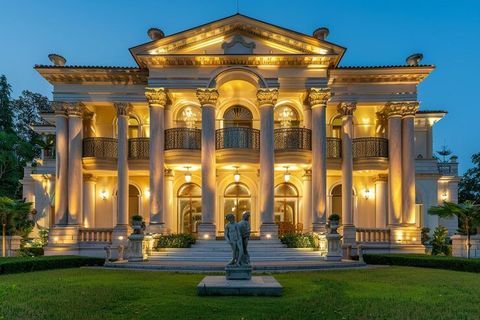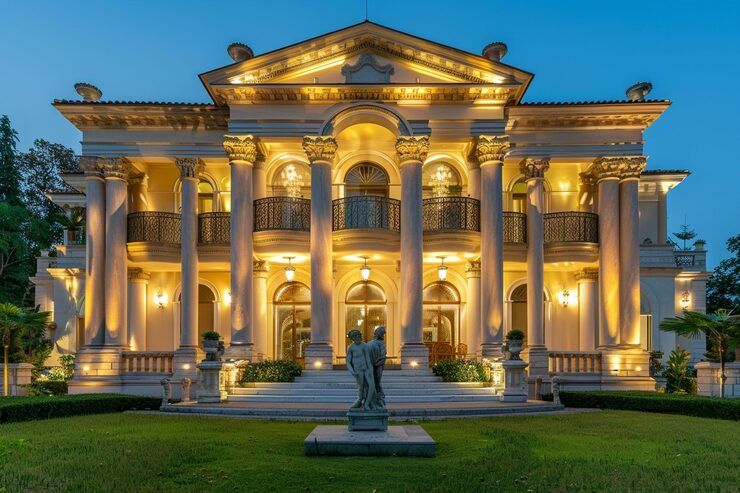
Luxury mansion rentals are residential properties made available for temporary stays, private events where permitted, or extended accommodation. These properties may include large living spaces, landscaped gardens, swimming pools, guest suites, entertainment rooms, private terraces, and distinctive architectural features.
Unlike conventional holiday accommodation, a mansion typically provides multiple living areas and greater privacy for families, groups, or travelers seeking space for longer stays. Properties vary considerably, ranging from historic estates and countryside residences to contemporary villas in coastal destinations and urban neighborhoods.
Luxury mansion rentals exist within the broader vacation property market. Their suitability depends on location, property design, occupancy requirements, local regulations, accessibility, and the purpose of the stay.
Understanding Luxury Mansion Properties
Luxury mansions are generally characterized by their size, architectural design, privacy, and range of residential facilities. There is no universal international definition of a mansion, so the term can describe different types of properties depending on the country and local real estate market.
Some properties are historic residences with traditional architectural details, while others feature contemporary layouts, smart-home systems, energy-efficient equipment, and landscaped outdoor areas.
Common features include:
Multiple bedrooms and bathrooms
Spacious living and dining areas
Private gardens and outdoor terraces
Swimming pools or recreational facilities
Dedicated entertainment rooms
Guest accommodation
Large kitchens and dining spaces
Home automation and security systems
Scenic views or landscaped grounds
Parking and accessibility features
Not every property includes all these amenities. A property's actual facilities should be verified through its documented specifications and current accommodation information.
Types of Luxury Mansion Rentals
Different property categories serve different travel and accommodation needs.
Coastal mansions: These properties are located near beaches, bays, or waterfront areas. Important considerations include coastal weather, privacy, flood exposure, and access restrictions.
Countryside estates: Often situated outside major cities, these properties may feature large grounds, gardens, historic architecture, and extensive outdoor space.
Urban mansions: Located within metropolitan areas, these residences can provide access to cultural attractions, restaurants, business districts, and transportation networks.
Historic estates: Older properties may include distinctive architectural elements, preserved interiors, and landscaped grounds. Maintenance and heritage restrictions can affect how these buildings are used.
Contemporary luxury villas: These properties often emphasize open-plan interiors, modern technology, energy efficiency, and indoor-outdoor living.
Why Luxury Mansion Rentals Matter
Luxury mansion rentals serve several purposes within the wider accommodation and property market. They provide larger residential environments for groups and families while allowing travelers to stay in properties that differ from conventional hotel rooms or apartments.
Space and Privacy
Larger properties can accommodate several households or groups under one roof. Separate bedrooms, shared living areas, and outdoor spaces can make group accommodation easier to organize.
However, occupancy limits, bedroom configurations, and permitted activities vary by property and jurisdiction. The number of people a building can physically accommodate may not match its legally permitted occupancy.
Extended Stays and Flexible Accommodation
Some travelers require accommodation for several weeks or months because of relocation, temporary assignments, family gatherings, or extended holidays.
A mansion can provide domestic facilities such as kitchens, laundry areas, workspaces, and separate living rooms. These features can be useful when a group needs a residential environment rather than a short-stay room.
Architectural and Cultural Interest
Historic mansions can also provide insight into local architectural traditions, landscaping, craftsmanship, and regional history.
Contemporary properties demonstrate different approaches to residential design, including natural lighting, energy management, smart-home technology, and indoor-outdoor spaces.
Important Considerations Before Selecting a Property
A careful assessment should include:
Total accommodation capacity
Location and transportation access
Bedroom and bathroom arrangements
Privacy and neighboring properties
Accessibility requirements
Pool and outdoor safety
Internet connectivity
Utility arrangements
Cancellation and payment terms
Applicable local regulations
These details help distinguish a property's advertised appearance from its practical suitability.
Recent Trends in Luxury Mansion Rentals
Developments during 2025 and 2026 reflect broader changes in premium vacation accommodation, including longer stays, technology integration, privacy considerations, and sustainability.
Technology and Smart-Home Features
Smart-home systems are becoming increasingly relevant in high-end residential properties. Depending on the building, systems may manage lighting, temperature, access controls, energy consumption, and security alerts.
These technologies can improve convenience and operational efficiency, but property owners should consider cybersecurity, personal privacy, and the reliability of connected devices.
Sustainability and Energy Efficiency
Energy consumption is an important consideration for large residences, particularly properties with swimming pools, extensive lighting, air conditioning, and large landscaped grounds.
Features such as efficient heating and cooling systems, insulation, solar power, water-efficient landscaping, and energy monitoring can reduce resource consumption when properly designed and maintained.
Actual environmental performance depends on the property's construction, equipment, local climate, occupancy, and operating practices.
Longer Stays and Group Accommodation
Luxury vacation properties continue to serve travelers who prefer residential settings for family trips, reunions, and extended visits. Separate living areas, kitchens, private outdoor spaces, and workspaces can support these needs.
The practical requirements for longer stays differ from those for short holidays. Utilities, housekeeping arrangements, maintenance responsibilities, internet reliability, and applicable tenancy rules may require additional consideration.
Privacy and Responsible Property Management
Privacy has become an important topic in accommodation planning. Guests should understand the property's access arrangements, security procedures, and privacy policies before confirming a reservation.
Property managers should also communicate any lawful monitoring devices or restricted areas clearly and comply with applicable privacy laws. Indoor surveillance in private accommodation raises particularly serious privacy concerns and may be prohibited.
Laws and Policies Affecting Luxury Mansion Rentals
Luxury mansion rentals are regulated differently across countries, states, and municipalities. Requirements can depend on whether the property is used for short-term accommodation, a longer residential tenancy, an event, or another purpose.
Short-Term Rental Regulations
Many destinations have introduced rules governing vacation properties. Depending on the jurisdiction, these can include registration, operating permits, zoning restrictions, occupancy limits, local taxes, and safety inspections.
For example, New York City introduced a short-term rental registration framework under Local Law 18, with registration requirements enforced from September 2023. The rules restrict many short-term rentals in entire residential units unless the arrangement meets applicable legal requirements.
This illustrates why a property advertised online should not automatically be assumed to be legally available for every type of stay.
Zoning and Event Restrictions
A property permitted for residential accommodation may not automatically be authorized for weddings, parties, commercial filming, or large gatherings.
Local zoning rules, noise ordinances, parking requirements, fire regulations, and event permits can affect what is allowed. Guests should confirm permitted uses before planning activities that involve additional visitors.
Building and Fire Safety
Large residential properties may be subject to building codes and fire-safety requirements. Relevant considerations include emergency exits, smoke alarms, pool barriers, electrical systems, and occupancy limits.
Requirements vary according to the building, its classification, and local law.
Contracts and Consumer Protection
Rental agreements should clearly identify the property, dates, total charges, payment deadlines, cancellation terms, deposits, and responsibilities for damage.
Guests should review the agreement and applicable consumer protection rules before making a payment. They should also verify the property's identity and the legitimacy of the reservation process.
Tools and Resources for Rental Planning
Several digital resources can help travelers and property managers evaluate luxury residential accommodation.
Property Comparison Tools
A spreadsheet can help compare several properties using consistent criteria, including:
Location and travel time
Number of bedrooms and bathrooms
Maximum permitted occupancy
Accessibility
Available amenities
Total charges and additional fees
Cancellation conditions
Applicable local restrictions
Comparing the complete terms is more informative than comparing headline nightly rates alone.
Mapping and Transportation Applications
Digital maps can help assess distances to airports, medical facilities, grocery stores, public transportation, and local attractions.
For countryside or coastal properties, it is useful to examine road access, seasonal weather conditions, and travel times rather than relying only on straight-line distances.
Energy and Sustainability Resources
Energy-monitoring tools can help property owners understand electricity consumption, heating and cooling demand, and water use.
Building-energy assessments may identify opportunities to improve insulation, upgrade equipment, or manage outdoor lighting more efficiently.
Official Government Resources
Local municipal websites and tourism authorities can provide information about:
Short-term rental registration
Zoning and land-use restrictions
Local accommodation taxes
Fire and building regulations
Noise and event rules
Environmental requirements
Consumer protection legislation
Because these requirements vary considerably, official information for the property's actual location should take priority over general online guidance.
Frequently Asked Questions
What qualifies as a luxury mansion rental?
The term generally describes a large, high-end residential property available for temporary accommodation. Properties may feature multiple bedrooms, spacious living areas, landscaped grounds, premium interiors, and recreational amenities. There is no universal international definition.
What should travelers check before reserving a mansion?
Travelers should review the property's location, capacity, amenities, total charges, cancellation terms, safety features, accessibility, and local legal status. They should also verify the identity of the property and the legitimacy of the reservation process.
Are luxury mansions suitable for large gatherings?
Some properties can accommodate gatherings, but permission depends on the property's rules, occupancy limits, zoning, noise regulations, and event-related requirements. Written confirmation of permitted activities is important before making plans.
Are smart-home features common in luxury rental properties?
Some contemporary properties include connected lighting, temperature controls, security systems, and automated access. Availability varies, and travelers should understand the property's privacy arrangements and how personal information is handled.
What regulations apply to luxury mansion rentals?
Requirements may include short-term rental registration, zoning, building and fire safety, occupancy limits, taxes, privacy rules, and consumer protection legislation. The exact requirements depend on the property location and how the accommodation is used.
Conclusion
Luxury mansion rentals combine residential space, architectural character, privacy, and accommodation flexibility within a varied international property market. They can suit families, groups, and travelers who need multiple bedrooms, shared living areas, outdoor facilities, or a residential environment for an extended stay.
Recent trends highlight the growing relevance of smart-home technology, energy efficiency, privacy, and longer-stay accommodation. At the same time, local rental regulations, building safety requirements, and restrictions on gatherings remain important considerations.
A well-informed assessment should focus on verified property details, transparent rental terms, legal occupancy, safety, location, and the practical needs of the intended stay. These factors provide a more reliable basis for evaluating luxury mansion accommodation than appearance or amenities alone.