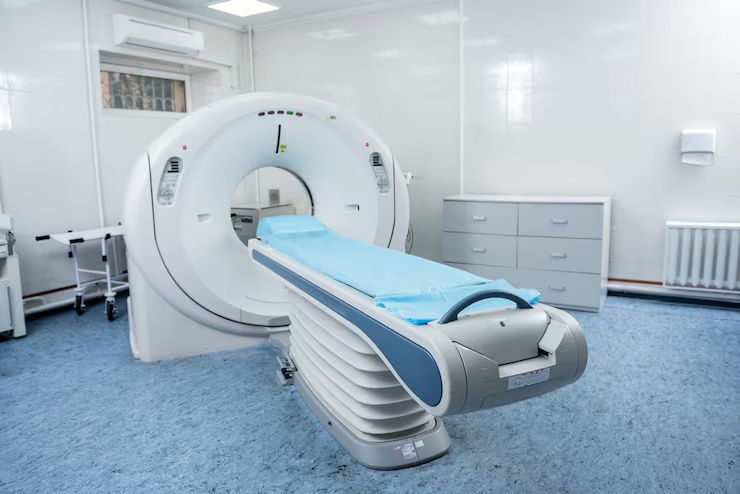
MRI machines are advanced medical imaging devices that use magnetic fields, radio waves, and computer technology to create detailed images of structures inside the human body. Magnetic resonance imaging technology has become an important part of modern healthcare because it allows healthcare professionals to examine internal tissues, organs, and other body structures without using ionizing radiation.
The development of MRI diagnostic equipment has transformed medical imaging by providing detailed visual information that supports diagnosis, treatment planning, and ongoing healthcare management. These systems are used in hospitals, diagnostic centers, and research facilities for a wide range of healthcare applications.
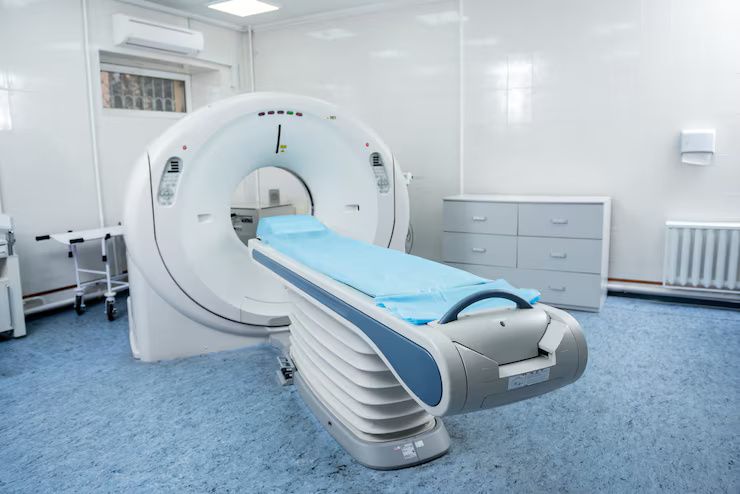
Modern MRI machines combine physics, engineering, software, and digital healthcare technology to produce high-resolution images. As medical imaging continues to evolve, improvements in scanning speed, image quality, artificial intelligence, and workflow integration are shaping the future of diagnostic imaging systems.
Context
Understanding MRI Machines
MRI stands for Magnetic Resonance Imaging. An MRI machine uses a strong magnetic field and radiofrequency signals to create detailed images of tissues and structures within the body.
Unlike imaging methods that use X-rays, MRI scanning technology does not rely on ionizing radiation. Instead, it uses magnetic properties of atoms within the body to generate image information.
A typical MRI system includes:
| Component | Function |
|---|---|
| Magnet system | Creates a strong magnetic field |
| Radiofrequency coils | Send and receive signals from the body |
| Patient table | Positions the individual inside the scanner |
| Computer system | Processes image data |
| Control system | Manages scanning procedures |
| Cooling system | Maintains equipment operation |
How Magnetic Resonance Imaging Technology Works
MRI technology is based on the interaction between magnetic fields and hydrogen atoms naturally present in the human body.
The general process includes:
- The patient enters the MRI scanner
- The magnetic field aligns certain atoms in the body
- Radio waves are applied to create signals
- The system collects signal information
- Computer software converts signals into detailed images
Healthcare professionals review these images along with other medical information when evaluating health conditions.
Types of MRI Machines
Different MRI systems are designed for different clinical requirements.
| MRI Type | Common Application |
| Closed MRI systems | General diagnostic imaging |
| Open MRI systems | Patients requiring more space during scanning |
| High-field MRI systems | Detailed imaging applications |
| Low-field MRI systems | Specific imaging environments |
| Specialized MRI systems | Brain, cardiac, or research applications |
Development of MRI Diagnostic Equipment
MRI technology has developed significantly since its introduction into healthcare. Earlier systems provided basic imaging capabilities, while modern systems offer improved image quality, faster scanning methods, and advanced software features.
Current MRI diagnostic equipment may include:
- Digital image processing
- Automated scanning protocols
- Advanced visualization tools
- Artificial intelligence assistance
- Integrated healthcare information systems
Importance
Role of MRI in Healthcare
MRI machines are important diagnostic tools because they provide detailed images of soft tissues and internal structures. They are commonly used when healthcare professionals need information that may not be visible through other imaging methods.
MRI healthcare applications include:
- Brain and nervous system imaging
- Joint and muscle evaluation
- Spine examinations
- Organ imaging
- Blood vessel studies
- Research applications
Importance of Diagnostic Imaging Systems
Diagnostic imaging systems support healthcare decision-making by providing visual information about internal body structures.
Medical imaging helps healthcare professionals:
- Evaluate symptoms
- Study anatomical structures
- Plan procedures
- Monitor certain conditions
- Review treatment progress
MRI is usually considered alongside other medical information, laboratory results, and clinical assessments.
Brain MRI Technology Applications
Brain MRI technology is one of the widely recognized applications of magnetic resonance imaging.
Brain imaging may help healthcare professionals examine:
- Brain structures
- Blood vessel patterns
- Tissue differences
- Certain neurological conditions
Advanced brain imaging techniques continue developing through improvements in software processing and image analysis.
3D Medical Imaging Capabilities
Modern MRI systems can create detailed digital images that may be processed into three-dimensional views.
3D medical imaging may support:
- Anatomical visualization
- Research activities
- Treatment planning discussions
- Medical education
These digital capabilities help healthcare teams better understand complex structures.
Role in Digital Healthcare Technology
MRI systems are increasingly connected with digital healthcare platforms. Digital integration allows healthcare organizations to store, manage, and review imaging information more efficiently.
Digital healthcare technology may support:
- Electronic medical records
- Image sharing between healthcare teams
- Remote consultation
- Data organization
Recent Updates
Integration of Artificial Intelligence in MRI Systems
Between 2024 and 2026, artificial intelligence continued influencing medical imaging development. AI technologies are being explored to support image processing, workflow management, and healthcare research.
AI applications may include:
- Image quality improvement
- Scan planning support
- Faster image processing
- Pattern analysis assistance
AI systems are designed to support healthcare professionals rather than replace clinical judgment.
Improvements in MRI Scanning Technology
MRI scanning technology continues advancing through developments in hardware and software.
Recent areas of focus include:
- Faster scanning methods
- Improved image resolution
- Patient comfort improvements
- Reduced movement-related image issues
These developments aim to improve the overall imaging process.
Growth of Advanced Imaging Technology
Advanced imaging technology continues expanding through better sensors, computing systems, and software algorithms.
Research areas include:
- Functional MRI techniques
- Quantitative imaging methods
- Advanced tissue analysis
- Improved visualization
Increased Use of Cloud-Based Imaging Systems
Healthcare organizations are increasingly exploring digital platforms for managing medical images.
Cloud-based imaging approaches may support:
- Secure image storage
- Remote access
- Healthcare collaboration
- Data management
Privacy and security requirements remain important considerations.
Development of Portable and Compact MRI Systems
Researchers continue exploring smaller MRI systems designed for specific healthcare environments.
Compact MRI development focuses on:
- Improved accessibility
- Specialized applications
- Flexible healthcare settings
- New imaging approaches
Laws or Policies
Medical Device Regulations
MRI machines are regulated as medical devices and must meet safety and performance requirements established by healthcare authorities.
Regulatory considerations may include:
- Equipment safety
- Technical performance
- Manufacturing standards
- Clinical use guidelines
Requirements vary depending on country and healthcare system.
MRI Safety Standards
MRI environments require specific safety procedures because of the strong magnetic field used during scanning.
Safety practices may address:
- Metal object restrictions
- Equipment checks
- Patient screening
- Staff training
- Emergency procedures
Patient Data Protection
MRI systems generate sensitive medical information. Healthcare organizations must follow privacy regulations related to medical data management.
Important areas include:
- Secure image storage
- Authorized access
- Data protection
- Information sharing practices
Healthcare Facility Standards
Facilities operating MRI equipment generally follow standards related to:
- Equipment installation
- Maintenance procedures
- Staff training
- Quality monitoring
Tools and Resources
Medical Imaging Software
Medical imaging software helps healthcare organizations process and manage MRI images.
These platforms may support:
- Image viewing
- Digital analysis
- Image storage
- Clinical documentation
Radiology Information Systems
Radiology information systems help manage imaging workflows.
They may support:
- Appointment management
- Imaging records
- Reporting processes
- Healthcare communication
Picture Archiving and Communication Systems (PACS)
PACS platforms allow healthcare organizations to store and access medical images digitally.
They support:
- Image organization
- Secure access
- Healthcare collaboration
- Long-term records
MRI Safety Resources
MRI safety resources provide information about:
- Patient preparation
- Equipment precautions
- Operating procedures
- Safety guidelines
Medical Research Resources
Information about MRI technology can be explored through:
- Healthcare research institutions
- Medical imaging organizations
- Government health agencies
- Academic publications
- Radiology organizations
FAQs
What are MRI machines used for?
MRI machines are used to create detailed images of internal body structures, including the brain, joints, organs, and soft tissues.
How does magnetic resonance imaging technology work?
Magnetic resonance imaging technology uses magnetic fields and radio waves to collect information from the body and create detailed digital images.
Is MRI scanning technology different from X-ray imaging?
Yes. MRI scanning technology uses magnetic fields and radio waves, while X-ray imaging uses ionizing radiation to create images.
What are common MRI healthcare applications?
Common MRI healthcare applications include brain imaging, spine evaluation, joint studies, organ imaging, and research activities.
How is artificial intelligence used in MRI systems?
Artificial intelligence may support MRI systems through image processing, workflow assistance, and research applications while healthcare professionals remain responsible for medical decisions.
Conclusion
MRI machines are important medical imaging systems that combine magnetic resonance technology, digital processing, and advanced healthcare applications. These systems provide detailed images that support diagnosis, treatment planning, and medical research. Developments in artificial intelligence, faster scanning methods, and digital healthcare technology continue shaping the future of MRI diagnostic equipment. Understanding MRI technology helps explain its important role in modern medical imaging and healthcare systems.