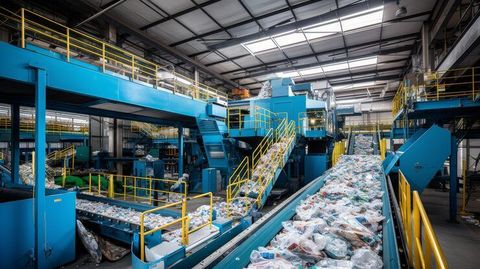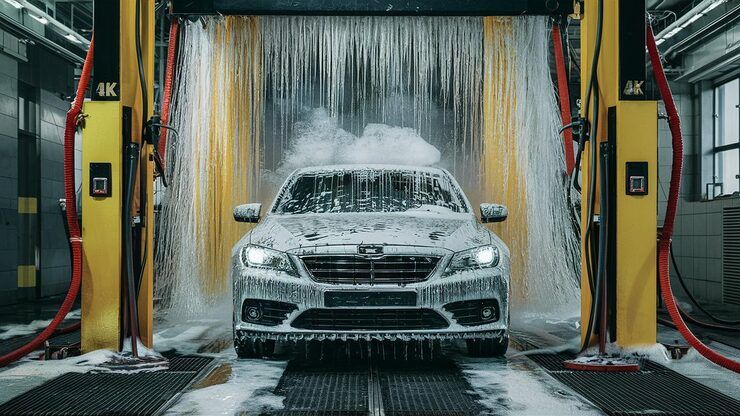
Car washing machines are automated or semi-automated systems designed to clean vehicles using combinations of water, cleaning agents, brushes, high-pressure jets, air systems, sensors, and mechanical movement. They are used for passenger cars, vans, buses, trucks, and fleet vehicles in many parts of the world.
The technology has developed from basic mechanical washing equipment into sophisticated automatic car wash machines that can identify vehicle dimensions, control water pressure, adjust cleaning cycles, and monitor equipment performance.
Modern systems generally fall into several categories:
In-bay automatic systems: The vehicle remains stationary while washing equipment moves around it.
Tunnel or conveyor systems: Vehicles move through a sequence of washing and drying stages.
Touchless car wash systems: High-pressure water and cleaning chemicals perform most of the cleaning without physical brushes.
Soft-touch systems: Specially designed brushes or cloth materials contact the vehicle.
Self-service wash bays: Users operate pressure washers, foam applicators, and other equipment themselves.
Fleet washing systems: Larger installations are designed for buses, trucks, vans, and commercial vehicle fleets.
A typical automated system can include pumps, motors, spray arches, brushes, dryers, water-treatment equipment, sensors, programmable controllers, and payment or access-control technology.
How an Automatic Car Wash Machine Works
A typical washing cycle may include:
Vehicle positioning or identification
Pre-rinse
Foam or detergent application
Wheel and underbody cleaning
Main washing stage
Rinsing
Optional protective treatment
Spot-free final rinse
Air or mechanical drying
The sequence depends on the machine configuration and vehicle type. Advanced equipment can use sensors to adjust the process according to vehicle length, width, height, and position.
Why Car Washing Machines Matter Today
The global vehicle population continues to create demand for efficient vehicle-cleaning infrastructure. Automated washing equipment can help standardize cleaning processes while reducing repetitive manual work and improving throughput at high-volume locations.
This makes commercial car wash equipment, automatic vehicle washing systems, touchless car wash systems, and car wash water recycling systems important areas of automotive equipment development.
Faster and More Consistent Cleaning
Automated equipment can repeat defined washing sequences with controlled pressure, movement, timing, and chemical application.
Consistency is particularly relevant for locations handling many vehicles each day. Tunnel systems can process vehicles continuously, while in-bay systems can operate independently in separate washing bays.
Water Management
Water consumption is a major consideration in vehicle washing. Modern equipment increasingly incorporates filtration, settling tanks, water reclamation, and recycling systems.
A water-recycling system can collect used wash water, remove selected contaminants, and return treated water to appropriate stages of the washing cycle.
The European Commission identifies water reuse as an important approach to improving resource efficiency, particularly in regions facing drought and water scarcity.
Vehicle Protection
Different vehicle surfaces require different cleaning approaches. Excessive pressure, unsuitable brushes, contaminated water, or incorrect chemical concentrations can affect paint, trim, wheels, and other surfaces.
Touchless systems are therefore gaining attention where operators want to minimize physical contact with vehicle surfaces.
Key Machine Types
| Machine Type | Main Feature | Common Application |
|---|---|---|
| In-Bay Automatic | Vehicle remains stationary | Fuel stations and dedicated wash bays |
| Tunnel System | Vehicle moves through stages | High-volume locations |
| Touchless System | High-pressure cleaning | Vehicles needing minimal physical contact |
| Soft-Touch System | Controlled brush contact | General passenger vehicles |
| Truck Wash System | Larger dimensions | Trucks, buses and fleets |
| Self-Service Bay | User controls equipment | Independent washing locations |
Recent Developments in Car Washing Technology
The car washing equipment industry has continued to develop through automation, water management, digital monitoring, and equipment efficiency.
A 2026 market analysis reported continued global expansion in automatic car washing, with automation, water recycling, digital monitoring, and touchless technology identified among the major trends shaping the sector.
Growth of Water Recycling
Water reclamation has become increasingly important as governments and communities pay greater attention to water scarcity and wastewater pollution.
Modern car wash water recycling systems may use combinations of:
Sedimentation tanks
Oil-water separation
Filtration
Membrane treatment
Disinfection
Storage tanks
Water-quality monitoring
The appropriate treatment level depends on local water-quality requirements and the intended reuse application.
Touchless Washing Technology
Touchless washing uses high-pressure spray systems rather than conventional rotating brushes. Modern machines can combine multiple spray angles with controlled chemical application.
This technology is particularly relevant for vehicles with unusual shapes, sensitive surfaces, or requirements for reduced physical contact.
Sensors and Machine Vision
Sensors can help detect vehicle position, dimensions, wheel location, and movement through the washing area.
Machine-vision technology can potentially support:
Vehicle positioning
Dimension recognition
Equipment monitoring
Safety detection
Wash-cycle adjustment
Operational diagnostics
These technologies are increasingly connected to digital control systems.
IoT and Predictive Maintenance
Connected equipment can collect information about pumps, motors, water pressure, temperature, operating cycles, and other parameters.
Data analysis can help identify unusual operating conditions before a component fails. This approach can improve equipment planning and reduce unexpected interruptions.
Electric Vehicles and New Vehicle Designs
The increasing presence of electric vehicles is also influencing vehicle-washing equipment. EVs can generally be washed using appropriate conventional methods, but equipment designers must consider changing vehicle shapes, sensor systems, charging-port protection, underbody components, and driver-assistance technology.
Future washing systems are likely to become increasingly adaptable to different vehicle dimensions and electronic features.
Laws, Regulations and Environmental Policies
Rules governing car washing vary significantly between countries, states, provinces, municipalities, and water authorities. The most important regulatory concerns generally involve wastewater, stormwater, chemicals, drainage, water consumption, electrical safety, and environmental protection.
United States
In the United States, wastewater from vehicle washing can contain detergents, oil, grease, metals, road residues, and other contaminants. EPA guidance recommends containing, treating, or reusing vehicle wash water to reduce impacts on downstream water bodies.
EPA's proposed 2026 Multi-Sector General Permit also identifies vehicle and equipment cleaning areas as locations where contamination of stormwater should be minimized. Measures include conducting washing indoors or under cover, directing wash water to an appropriate collection system, and treating or recycling collected water where feasible.
Local sewer authorities can impose additional wastewater discharge requirements, so operators need to review applicable state and municipal rules.
European Union
The EU is placing increasing emphasis on wastewater treatment, water reuse, and chemical sustainability.
The revised Urban Wastewater Treatment Directive entered into force on January 1, 2025, strengthening wastewater treatment and supporting greater circularity and water reuse.
In February 2026, the EU adopted Regulation 2026/405 on detergents and surfactants. The regulation introduces requirements concerning biodegradability and environmental protection for detergents and surfactants, with most provisions applying from September 23, 2029.
These developments are relevant to vehicle washing because cleaning chemicals eventually enter wastewater-management systems.
United Kingdom
UK guidance treats contaminated water from vehicle washing as trade effluent in relevant commercial circumstances. Businesses are expected to prevent polluted wash water from entering surface-water drains and should use suitable collection, treatment, reuse, or authorized discharge arrangements.
Requirements can vary according to the local water authority and environmental regulator.
Tools and Resources for Car Washing Machines
Technology selection should consider vehicle dimensions, expected throughput, water availability, drainage design, energy requirements, maintenance needs, and local environmental rules.
Useful tools and resources include:
Car wash equipment calculators: Help estimate throughput, water requirements, pump capacity, and equipment sizing.
Water recycling calculators: Estimate potential water recovery based on wash cycles and recycling ratios.
Pressure and flow meters: Monitor pump performance and water delivery.
Water-quality testing equipment: Measures parameters relevant to recycled wash water.
Oil-water separators: Help remove hydrocarbons from collected wastewater.
Filtration systems: Remove suspended particles from reclaimed water.
PLC control systems: Coordinate automated washing sequences.
Machine-vision systems: Detect vehicle position and dimensions.
IoT monitoring platforms: Track equipment performance and operating conditions.
Maintenance templates: Record inspections, filter changes, pump checks, and safety tests.
EPA resources: Useful for understanding U.S. stormwater and vehicle-washing pollution controls.
European Commission water resources: Useful for understanding water reuse and wastewater policy in Europe.
Important Specifications to Compare
When evaluating automatic car wash equipment, useful specifications include:
Vehicle size range
Washing capacity per hour
Water consumption
Recycling capability
Pump pressure
Electrical requirements
Brush or touchless configuration
Dryer capacity
Sensor technology
Machine dimensions
Safety controls
Drainage requirements
Remote monitoring capability
Maintenance requirements
A machine should be evaluated as part of the complete facility rather than by one specification alone. Drainage, water treatment, electrical infrastructure, vehicle flow, and local environmental requirements can all influence the appropriate system design.
Frequently Asked Questions
What is a car washing machine?
A car washing machine is automated or semi-automated equipment designed to clean vehicles using combinations of water, pressure, cleaning agents, brushes, sensors, and drying systems.
What is the difference between touchless and soft-touch washing?
Touchless systems primarily use high-pressure water and cleaning agents without physical brushes. Soft-touch systems use controlled brushes or cloth materials to contact the vehicle during cleaning.
Do automatic car washes recycle water?
Many modern systems can incorporate water-recycling equipment. The amount of water recovered depends on the system design, treatment technology, local water quality, and the washing process.
Are car washing machines suitable for electric vehicles?
Yes, appropriately designed washing systems can be used with electric vehicles. Operators should follow vehicle-manufacturer guidance and ensure that washing procedures are compatible with the vehicle's design and electrical components.
What regulations affect car washing machines?
Requirements vary by location. Common regulatory areas include wastewater discharge, stormwater protection, chemical handling, water reuse, drainage, electrical safety, and environmental protection. Local authorities should be consulted before installing or modifying a washing facility.
Conclusion
Car washing machines have evolved from relatively simple mechanical equipment into integrated systems combining automation, sensors, high-pressure cleaning, water treatment, digital monitoring, and advanced control technology.
The global industry is increasingly focused on water efficiency, touchless cleaning, machine vision, connected equipment, and automated vehicle recognition. These developments are particularly relevant as vehicle populations grow and environmental expectations become more demanding.
Recent regulatory developments in the United States, European Union, and United Kingdom demonstrate the growing importance of responsible wastewater and chemical management. Water recycling and controlled drainage are becoming important considerations when designing modern vehicle-washing facilities.
For organizations researching car wash equipment, automatic car wash machines, touchless car wash systems, vehicle wash equipment, or car wash water recycling systems, the main factors to examine include washing capacity, water consumption, recycling capability, vehicle compatibility, automation, safety, maintenance, and local environmental requirements.
As automotive technology continues to change, future car washing machines are likely to become more intelligent, connected, water-efficient, and adaptable to different vehicle designs.