Pipeline welding systems are combinations of equipment, welding processes, inspection methods, and supporting technologies used to join metal pipes. These systems are important in the construction and maintenance of pipelines that transport water, natural gas, petroleum, industrial chemicals, and other fluids. A reliable welded joint helps maintain the strength and integrity of a pipeline under its intended operating conditions.
Pipeline welding can take place in manufacturing facilities, construction sites, remote locations, and specialized pipeline fabrication yards. The conditions at each location influence the equipment, welding method, and inspection procedures required.
How Pipeline Welding Systems Work
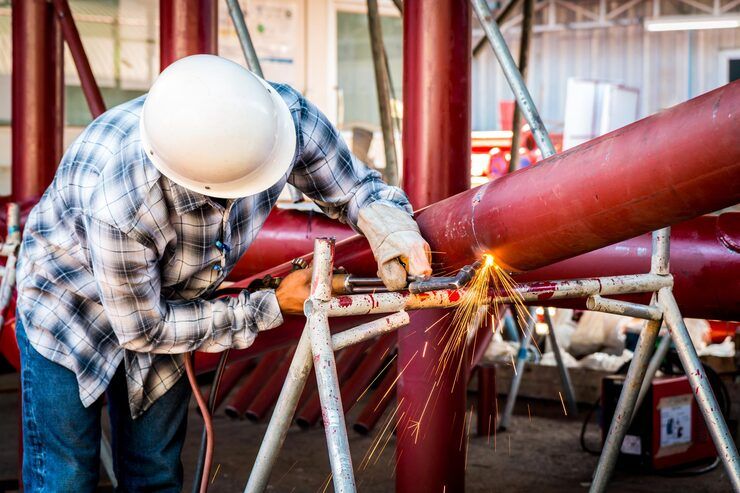
A pipeline welding operation begins with preparing the pipe ends and aligning the sections that must be joined. Depending on the pipe material and design, the edges may be beveled to create a suitable groove for welding. The welder or automated equipment then applies heat to fuse the metal, with filler material added when required by the selected procedure.
After welding, the joint may undergo visual examination and nondestructive testing. These inspections help identify defects that could affect the structural integrity of the pipeline.
Common components of a pipeline welding system include:
Welding power sources: Provide the electrical output required by the selected welding process.
Welding torches and electrode holders: Direct the heat or electrode toward the joint.
Pipe alignment clamps: Help position pipe sections accurately before welding.
Automatic welding equipment: Controls torch movement and selected welding parameters.
Shielding gas systems: Protect the molten weld metal from atmospheric contamination in applicable processes.
Inspection equipment: Supports examination of completed welds.
Protective equipment: Helps reduce exposure to heat, fumes, electrical hazards, and other workplace risks.
The complete system must be selected according to the pipe material, diameter, wall thickness, joint design, environmental conditions, and applicable engineering standards.
Importance of Pipeline Welding Systems
Pipeline welding systems are essential for maintaining the strength, reliability, and continuity of pipeline networks. Weld quality directly affects how well a pipeline withstands internal pressure, temperature changes, vibration, and environmental conditions.
Pipelines often operate across long distances and through varied terrain. A defect in a welded joint may lead to leakage, operational interruptions, environmental damage, or safety hazards. Proper welding procedures and inspection methods help reduce these risks.
Industries That Depend on Pipeline Welding
Pipeline welding is used across several industries:
Oil and gas transportation: Joins steel pipes used to transport petroleum and natural gas.
Water infrastructure: Supports the construction of water distribution and transmission pipelines.
Chemical processing: Connects piping systems designed for specific chemicals and operating conditions.
Power generation: Supports pipelines carrying steam, cooling water, and other process fluids.
Industrial manufacturing: Connects process piping used in production facilities.
Manual and Automated Welding
Manual welding relies on the skill of qualified welders, while automated pipeline welding systems use mechanized equipment to control selected welding movements and parameters.
Automated systems can help maintain consistency across repeated joints. Manual welding remains useful for complex positions, restricted spaces, repairs, and locations where mechanized equipment is difficult to deploy.
The choice depends on project requirements, accessibility, pipe dimensions, production targets, and the qualifications of the welding personnel.
Recent Developments in Pipeline Welding Technology
During 2025 and 2026, pipeline construction and fabrication continued to benefit from developments in automation, digital inspection, and welding process control. The adoption of these technologies varies according to project size, operating environment, and technical requirements.
Automated Orbital and Mechanized Welding
Orbital welding equipment moves a welding head around a pipe joint, while mechanized pipeline systems may use controlled welding heads and positioning equipment for larger pipe sections.
These systems can regulate parameters such as travel speed, current, voltage, and wire-feed rate, depending on their design. Data recording also helps project teams review welding conditions and identify deviations from approved procedures.
Digital Weld Inspection
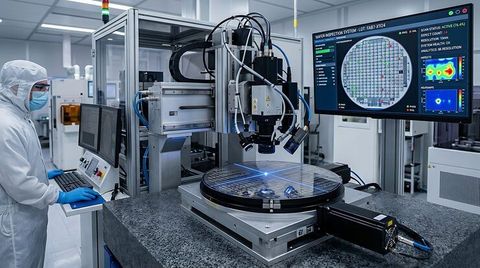
Digital radiography and phased-array ultrasonic testing are increasingly important tools in industrial weld examination. These techniques help inspectors evaluate weld quality without cutting apart the joint.
Digital records can also connect weld identification numbers with inspection results, repair history, and project documentation. However, the suitability of each inspection method depends on the material, joint configuration, defect type, and applicable acceptance criteria.
Developments in Welding Standards
In July 2025, India's Petroleum and Natural Gas Regulatory Board published amended technical and safety regulations for natural gas pipelines and petroleum product pipelines. These regulatory frameworks address pipeline design, fabrication, welding, testing, operation, maintenance, and safety. The applicable requirements depend on the pipeline category and the relevant amended regulations.
Such updates highlight the importance of checking current standards and project specifications rather than relying solely on older welding procedures.
Laws, Standards, and Safety Requirements
Pipeline welding is governed by technical standards, environmental requirements, workplace safety rules, and pipeline-specific regulations. These requirements establish how welding procedures are qualified, how personnel demonstrate competence, and how completed joints are inspected.
Important Requirements in India
The Petroleum and Natural Gas Regulatory Board establishes technical and safety requirements for regulated natural gas and petroleum product pipelines.
Relevant standards and codes may include:
API 1104: Welding of Pipelines and Related Facilities.
ASME B31.8: Gas Transmission and Distribution Piping Systems.
ASME B31.4: Pipeline Transportation Systems for Liquids and Slurries.
ASME Section IX: Qualification requirements for welding and brazing procedures and personnel.
The appropriate code depends on the pipeline type, applicable regulations, and project specifications. These standards should not be treated as interchangeable.
Welding Safety and Quality Control
Pipeline welding teams should follow approved welding procedure specifications and applicable safety requirements. Important controls include:
Verifying pipe material, dimensions, and joint preparation.
Confirming welder qualifications and approved welding procedures.
Managing preheating and post-weld heat treatment where required.
Controlling fire, electrical, fume, and confined-space hazards.
Recording weld identification, inspection results, and repairs.
Completing required pressure testing and other acceptance checks.
Hot work on or near an operating pipeline requires specialized risk assessment and authorization. Such activities should only be undertaken by qualified personnel following approved engineering procedures.
Tools and Resources for Pipeline Welding
Pipeline welding projects rely on equipment, calculations, inspection records, and technical documentation to maintain consistent quality.
Common Equipment and Software
Pipe alignment clamps: Maintain alignment and help control joint fit-up.
Welding parameter monitors: Record selected electrical and process measurements.
Ultrasonic testing equipment: Helps detect internal weld discontinuities.
Digital radiography systems: Produce images for evaluating weld integrity.
Weld tracking software: Organizes joint identification, inspection records, and repair status.
Welding procedure documentation: Records approved materials, parameters, and required techniques.
Useful Engineering Calculations
Engineering teams may calculate heat input, welding productivity, pipe wall thickness requirements, and inspection coverage according to project specifications.
Parameter | Purpose |
|---|---|
Welding current | Helps control heat generation and electrode performance |
Arc voltage | Influences arc characteristics and heat distribution |
Travel speed | Affects weld formation and heat input |
Heat input | Helps assess thermal effects on the welded joint |
Weld inspection acceptance | Determines whether a joint meets specified criteria |
These calculations require appropriate units, validated formulas, and qualified technical review. They should not replace the approved welding procedure or applicable engineering code.
Frequently Asked Questions
What is a pipeline welding system?
A pipeline welding system combines welding equipment, joint preparation methods, process controls, and inspection procedures to join pipe sections safely and consistently.
Which welding process is commonly used for pipelines?
Shielded metal arc welding (SMAW), gas metal arc welding (GMAW), and mechanized gas metal arc welding are among the processes used in pipeline construction. The appropriate method depends on the pipe material, wall thickness, project conditions, and approved welding procedure.
What is automated pipeline welding?
Automated pipeline welding uses mechanized equipment to control parts of the welding operation, such as torch movement, wire feeding, and welding parameters. It can improve repeatability, although proper setup, supervision, and inspection remain necessary.
How are pipeline welds inspected?
Pipeline welds may undergo visual examination, ultrasonic testing, radiographic testing, or other specified methods. The inspection plan depends on applicable standards, project requirements, and the type of pipeline.
Why are welding procedure qualifications important?
Qualified procedures demonstrate that a particular combination of materials, equipment, and welding parameters can produce joints meeting the required criteria. They help establish consistency and reduce the risk of weld defects.
Conclusion
Pipeline welding systems are a fundamental part of modern infrastructure, supporting the construction and maintenance of pipelines used in energy, water, manufacturing, and industrial processing.
Developments in mechanized welding, digital inspection, and weld data management are helping project teams improve process control and documentation. However, reliable results still depend on suitable equipment, qualified personnel, approved welding procedures, and thorough inspection.
Understanding the available welding technologies and applicable safety standards helps organizations make informed engineering decisions and maintain pipeline integrity throughout construction and operation.