Royal heritage palaces are historic residences associated with monarchs, royal families, ruling dynasties, and former royal administrations. These buildings reflect the political systems, artistic traditions, architectural achievements, and cultural practices of the societies in which they were created.
Royal palaces exist across Europe, Asia, Africa, and the Middle East. Some remain active royal residences, while others function as museums, cultural institutions, government buildings, or protected historical monuments. Their architecture ranges from medieval fortifications and Renaissance residences to elaborate Mughal complexes, traditional Asian palaces, and grand neoclassical buildings.
Exploring royal heritage palaces helps visitors understand how rulers lived, governed, received diplomatic guests, and represented political authority. These places also provide evidence of changing technologies, artistic styles, construction methods, and relationships between royal institutions and the wider population.
Understanding Royal Palace Architecture
Royal palaces were often designed to communicate power and status. Their scale, decoration, gardens, ceremonial halls, and formal entrances could demonstrate the authority and wealth of the ruling dynasty.
Some palaces combined residential spaces with administrative offices, religious buildings, military facilities, and public courtyards. Others were primarily designed for court ceremonies, seasonal retreats, or diplomatic gatherings.
Important architectural features include:
Grand entrance halls and ceremonial staircases
Audience chambers and throne rooms
Decorative ceilings and painted interiors
Courtyards, fountains, and landscaped gardens
Royal chapels, temples, or other religious spaces
Historic furniture, portraits, and decorative objects
Defensive walls, towers, and fortified entrances
Formal gardens and carefully planned landscapes
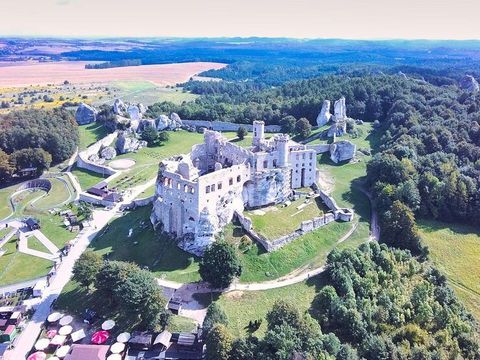
The appearance of a palace often reflects its historical period. Medieval European royal residences may include defensive walls, while later palaces frequently emphasize symmetry, elaborate interiors, and landscaped grounds.
Famous Royal Heritage Palaces Around the World
Royal palaces provide different perspectives on the political and cultural histories of their regions.
| Palace | Country | Historical Significance |
|---|---|---|
| Palace of Versailles | France | Symbol of the French monarchy and court culture |
| Buckingham Palace | United Kingdom | Official London residence of the British monarch |
| Alhambra | Spain | Historic palace and fortress complex associated with Nasrid rule |
| Mysore Palace | India | Royal residence associated with the Wadiyar dynasty |
| Topkapi Palace | Türkiye | Former administrative and residential center of Ottoman rulers |
| Forbidden City | China | Imperial palace complex of the Ming and Qing dynasties |
| Royal Palace of Madrid | Spain | Major royal ceremonial residence |
| Grand Palace | Thailand | Historic royal and ceremonial complex in Bangkok |
Each site has its own access arrangements, preservation requirements, and historical context. Some buildings remain partly restricted because they continue to serve official functions.
Why Royal Heritage Palaces Matter
Royal palaces are valuable because they preserve physical evidence of political history, artistic development, social organization, and cultural exchange.
Historical Education
Palace collections can help researchers and visitors understand royal government, diplomatic relationships, court traditions, religious practices, and the development of state institutions.
Paintings, furniture, clothing, documents, weapons, and architectural features provide information that written accounts alone may not fully explain.
Architecture and Design
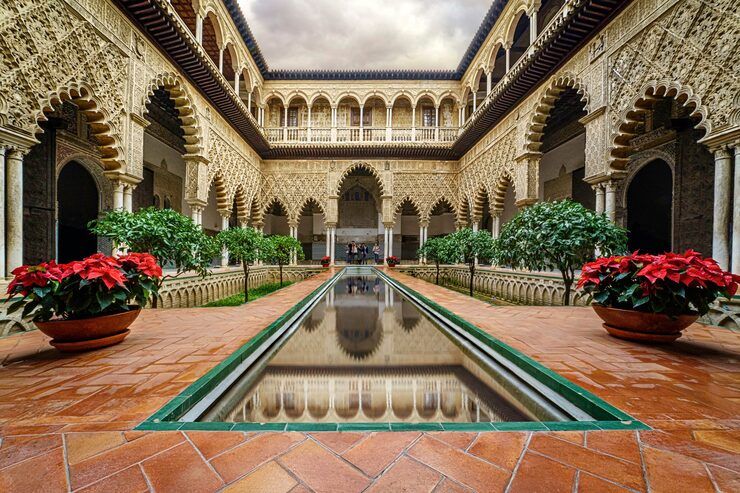
Royal residences often demonstrate sophisticated engineering and craftsmanship. Their interiors may contain intricate woodwork, stone carving, mosaics, paintings, metalwork, and decorative plaster.
Studying these features helps architects, historians, conservation specialists, and students understand how building techniques developed across different periods.
Cultural Tourism and Local Communities
Historic palaces can contribute to local tourism and support surrounding cultural districts, museums, restaurants, accommodation, and transportation networks.
They can also provide educational programs and cultural activities for residents. Responsible management is important, however, because large visitor numbers may place pressure on historic interiors, gardens, and fragile architectural elements.
Preservation of Cultural Identity
Palaces often remain important symbols of national or regional identity. Their preservation can maintain connections with local traditions while supporting research into complex historical events, including conflicts, colonial relationships, and changes in political power.
Recent Developments in Royal Heritage Preservation
During 2025 and 2026, heritage institutions continued to emphasize conservation, digital interpretation, accessibility, and sustainable management of historic buildings.
Palace Conservation and Restoration
Restoration programs increasingly use detailed architectural surveys, digital documentation, structural monitoring, and specialist material analysis to assess historic buildings.
These techniques help conservation teams identify deterioration, document original features, and plan appropriate repairs. Modern interventions generally aim to preserve historic materials while improving structural stability and visitor safety.
The exact scope of restoration work varies by palace and governing authority. Some projects focus on roofs and masonry, while others address painted interiors, gardens, drainage, or visitor facilities.
Digital Heritage Experiences
Digital interpretation is becoming more common in historic residences. Museums may use virtual tours, interactive displays, historical reconstructions, digital archives, and multilingual audio guides to explain how palace rooms were used.
These resources can help visitors understand spaces that are closed for conservation or remain inaccessible because of their current official functions.
Sustainable Heritage Management
Historic palaces require careful environmental management because their buildings and collections can be sensitive to humidity, temperature fluctuations, water infiltration, and pollution.
Heritage managers increasingly consider energy efficiency, water conservation, waste reduction, visitor movement, and climate-related risks when planning long-term preservation.
Extreme heat, heavy rainfall, flooding, and changing weather patterns can affect historic structures and landscaped grounds. Preventive maintenance is therefore an important part of heritage management.
Changing Visitor Experiences
Museums and heritage authorities continue to develop guided routes, educational exhibitions, family activities, and digital planning resources.
Advance reservations, timed admission, and restrictions in particular rooms may be used to manage visitor numbers and protect vulnerable interiors. Current arrangements differ by location and should be checked before visiting.
Laws, Policies, and Heritage Protection
Royal heritage palaces are protected through national laws, local planning regulations, conservation policies, and, in some cases, international heritage frameworks.
National Heritage Legislation
Many countries maintain laws governing historic monuments, archaeological remains, museum collections, and protected buildings.
These laws can regulate structural alterations, restoration materials, excavation, commercial filming, removal of historic objects, and construction near protected sites.
For example, India's Ancient Monuments and Archaeological Sites and Remains Act, 1958, provides a legal framework for centrally protected monuments and archaeological sites. Other Indian heritage properties may fall under state or local protection systems.
In the United Kingdom, listed-building controls regulate alterations to designated historic buildings. In France, heritage legislation establishes protections for historic monuments and their surroundings.
The rules that apply to a particular palace depend on its legal designation, ownership, location, and current use.
UNESCO World Heritage Protection
Some royal palaces form part of UNESCO World Heritage properties. Examples include the Palace and Park of Versailles in France and the Historic Centre of Prague, which contains significant historic royal and ceremonial architecture.
World Heritage status recognizes outstanding cultural or natural significance. It also encourages long-term conservation and management, although the designation does not replace national laws.
Visitor Rules and Photography
Palace authorities may restrict photography, flash, tripods, food, large bags, touching historic objects, or entry into particular rooms.
These rules help protect delicate furnishings, paintings, textiles, and other historic materials. Visitors should follow signs and staff instructions, especially in areas undergoing restoration or used for official functions.
Tools and Resources for Palace Research and Visits
Official heritage resources can help visitors research palace history and prepare a practical itinerary.
Official Palace and Museum Websites
Official websites typically provide historical background, opening schedules, current exhibitions, accessibility details, visitor rules, and reservation information.
They are particularly useful for determining whether a palace is fully open to the public or partly reserved for official activities.
Digital Maps and Navigation
Mapping applications can help identify palace entrances, public transportation connections, nearby museums, walking routes, and accessible paths.
For large palace estates, check the location of separate entrances, gardens, galleries, and visitor facilities because these areas may be spread across extensive grounds.
Digital Archives and Educational Resources
University libraries, national archives, museum databases, and heritage organizations can provide historical documents, architectural plans, photographs, and scholarly explanations.
These materials are useful for distinguishing documented history from popular legends and unverified accounts.
Palace Visit Planning Checklist
Before visiting a royal heritage palace, consider the following:
Check current opening days and admission arrangements.
Review photography and security policies.
Confirm whether gardens and interior rooms have separate access rules.
Check accessibility information and walking distances.
Review restoration notices and temporary closures.
Allow time for museum displays and historical interpretation.
Follow conservation instructions throughout the site.
Frequently Asked Questions
What is a royal heritage palace?
A royal heritage palace is a historic building or complex associated with monarchs, royal families, ruling dynasties, or former royal administrations. It may function as a museum, official residence, ceremonial venue, or protected monument.
Which countries have famous royal heritage palaces?
France, the United Kingdom, Spain, India, China, Thailand, Türkiye, and several other countries have notable royal palaces. Each reflects different political histories, architectural traditions, and cultural practices.
Are all royal palaces open to the public?
No. Some operate as museums, while others remain active residences or official government buildings. Public access may be limited to particular rooms, gardens, scheduled tours, or designated visitor areas.
How are royal heritage palaces preserved?
Preservation can involve structural repairs, restoration of decorative features, environmental monitoring, archival research, conservation of collections, and visitor-management measures. The appropriate methods depend on the building's materials, condition, and historical significance.
Do UNESCO rules apply to every royal palace?
No. UNESCO World Heritage recognition applies only to properties formally inscribed on the World Heritage List. Other royal palaces may still receive protection under national heritage legislation or local conservation regulations.
Conclusion
Royal heritage palaces provide a valuable window into the history of monarchy, architecture, diplomacy, craftsmanship, and cultural identity. Their buildings and collections help explain how ruling dynasties governed, represented authority, and interacted with the societies around them.
Recent developments in conservation technology, digital interpretation, and sustainable heritage management are helping institutions document and maintain these historic places. At the same time, national laws, international heritage frameworks, and visitor regulations play an important role in protecting their architectural and cultural significance.
Exploring royal heritage palaces is most informative when visitors consider both their architectural beauty and their historical context. Official museum resources, digital archives, maps, and current visitor guidance can help create a more accurate understanding of these remarkable cultural landmarks.