Kids activity benches are child-sized furniture units designed to support creative play, early learning, group activities, and everyday tasks. They may be used in homes, preschools, daycare centers, libraries, classrooms, community facilities, and indoor or outdoor play areas.
Unlike conventional adult seating, children's activity benches are designed around the physical dimensions and developmental needs of younger users. Some models provide simple seating, while others incorporate storage compartments, drawing surfaces, building activities, sensory panels, or shared workspaces.
The appropriate design depends on the children's age, the intended activity, available space, material durability, and applicable safety requirements. A well-planned activity area should allow children to sit comfortably, reach materials safely, move around without unnecessary obstacles, and participate in activities suited to their abilities.
Understanding Kids Activity Bench Designs
Kids activity benches come in different shapes and configurations. A basic bench provides a shared seating surface, while a combined activity bench may include a tabletop, storage areas, or integrated play features.
Common types include:
Preschool activity benches: Designed for drawing, puzzles, early writing, and group learning.
Storage benches: Include compartments for books, toys, art materials, or classroom supplies.
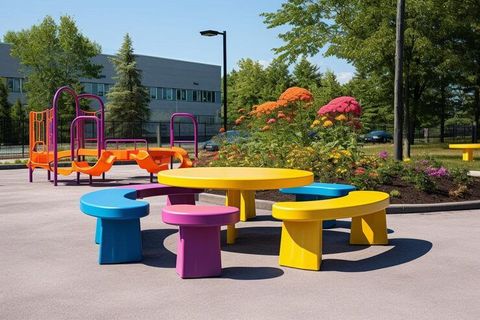
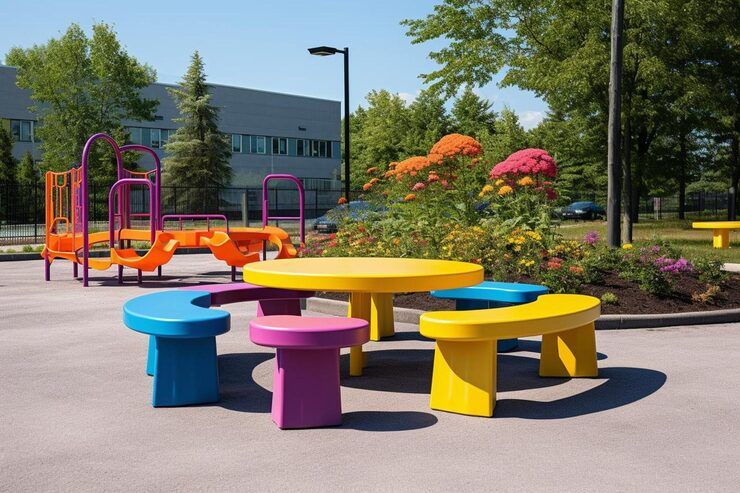
Outdoor activity benches: Use materials and finishes suited to outdoor exposure.
Sensory activity benches: Incorporate tactile elements or interactive features for supervised exploration.
Convertible activity furniture: Can be rearranged for different learning activities.
Collaborative benches: Provide shared seating and workspace for small groups.
Not every design is appropriate for every age group. Furniture intended for toddlers may require different dimensions, stability features, and supervision arrangements from furniture designed for older children.
Materials and Construction
Material selection influences durability, cleaning requirements, maintenance, and environmental performance.
Wood is frequently used for its natural appearance and structural versatility. Properly finished wood can work well in indoor learning environments, provided the design avoids sharp edges, splinters, and exposed fasteners.
Plastic furniture is generally lightweight and can be easy to clean. Its durability depends on the type of plastic, construction quality, and exposure to sunlight or temperature changes.
Metal frames can provide structural strength, although exposed metal edges, corrosion, surface temperature, and pinch points must be considered.
When evaluating materials, consider:
Structural stability
Smooth and rounded edges
Non-toxic finishes appropriate for children
Resistance to moisture and repeated cleaning
Easy inspection and maintenance
Durability under regular use
Suitability for indoor or outdoor conditions
Material choice should be guided by the expected environment and the manufacturer's documented specifications.
Why Kids Activity Benches Matter
Child-sized activity furniture helps create environments where children can participate in play, learning, and social interaction with greater comfort and independence.
Supporting Early Learning
A suitable activity bench can provide a consistent place for drawing, reading, sorting objects, completing puzzles, and exploring simple science activities.
The furniture itself does not guarantee better educational outcomes. However, an organized and appropriately sized workspace can make it easier for children to reach materials and participate in planned activities.
Encouraging Social Development
Shared benches can support cooperative play, turn-taking, communication, and group problem-solving.
Children may use a common activity area to build structures, complete puzzles, create artwork, or work together on classroom projects. The layout should provide sufficient personal space and allow adults to supervise activities.
Improving Space Organization
Integrated storage and clearly defined activity areas can help organize educational materials.
Useful design features include:
Accessible storage compartments
Clearly separated activity zones
Washable work surfaces
Space for mobility aids where needed
Rounded corners
Stable construction
Sufficient clearance around seating
These features can help reduce clutter and make everyday classroom routines easier to manage.
Recent Developments and Design Trends
During 2025 and 2026, children's learning environments continued to emphasize flexible layouts, inclusive design, durable materials, and spaces that support different forms of play.
Flexible Learning Environments
Modern early-learning spaces increasingly use furniture that can accommodate individual tasks, small-group activities, and supervised collaborative play.
Lightweight benches and modular seating can help educators rearrange a room for drawing, reading, construction activities, or group discussions. However, movable furniture should remain stable during normal use and should not obstruct entrances or emergency exits.
Inclusive Furniture Design
Inclusive classroom planning places greater attention on children with different physical abilities, sensory needs, and learning preferences.
Activity areas may incorporate suitable seat heights, accessible work surfaces, clear circulation paths, supportive seating options, and layouts that allow children using mobility devices to participate.
Universal design principles can help make shared spaces usable by a wider range of children, although individual requirements still need to be considered.
Sustainable Materials and Durability
Sustainability has also become a consideration in educational furniture planning. Institutions may assess material durability, repairability, recycled content, and the expected lifespan of furniture.
Products with replaceable components can sometimes reduce the need to discard an entire unit when one part becomes damaged. Environmental claims should be assessed against documented product information rather than assumptions based on material appearance alone.
Safety Standards and Regulatory Considerations
Children's furniture must be appropriate for its intended age group and use. Applicable requirements vary by country and may depend on whether the product is used in a home, school, daycare center, or public playground.
United States Safety Considerations
In the United States, the Consumer Product Safety Commission oversees applicable consumer-product safety requirements. Depending on product design and intended use, relevant requirements may include general product safety rules, restrictions on certain hazardous substances, and standards addressing furniture stability or specific children's products.
The American Society for Testing and Materials, known as ASTM International, publishes technical standards that may be relevant to children's furniture and playground equipment. The applicable standard depends on the product category; a classroom bench is not automatically subject to the same requirements as playground equipment.
European Union Requirements
In the European Union, product safety requirements depend on the type and intended use of the furniture. General product safety rules and relevant chemical restrictions may apply, while specific products can be subject to additional requirements.
Manufacturers and institutions should confirm which standards and legal obligations apply to the particular product rather than assuming that one certification covers every type of children's furniture.
Practical Safety Measures
Regardless of location, adults should check furniture for:
Loose fasteners and unstable legs
Sharp edges or splintered surfaces
Small detachable components
Pinch or trapping points
Damaged finishes
Excessive tipping risk
Unsafe gaps between connected furniture
Blocked exits or walkways
Regular inspections and prompt maintenance are important, especially in facilities where furniture is used by many children each day.
Tools and Resources for Planning
Several practical resources can help parents, educators, and facility managers evaluate activity benches.
Space-Planning Tools
Room-planning applications can help estimate the space required for benches, tables, storage, and circulation. Measurements should include the full furniture footprint and enough clearance for children and supervising adults to move safely.
Product Specification Checklists
A simple spreadsheet can compare furniture dimensions, materials, maximum intended load, cleaning requirements, warranty conditions, replacement parts, and documented safety information.
Educational Planning Resources
Early-childhood education resources can help match furniture layouts with activities such as drawing, sensory play, reading, construction, and collaborative learning.
Maintenance Checklist
| Inspection Area | What to Check |
|---|---|
| Structure | Stability, cracks, and loose joints |
| Surfaces | Splinters, sharp edges, and damaged finishes |
| Fasteners | Loose screws and exposed hardware |
| Storage | Secure compartments and safe openings |
| Cleanliness | Dirt, stains, and cleaning requirements |
| Layout | Clear walkways and safe spacing |
| Outdoor condition | Moisture damage, corrosion, and weathering |
Inspection frequency should reflect the intensity of use, the environment, and the manufacturer's instructions.
Frequently Asked Questions
What are kids activity benches used for?
They provide child-sized seating or shared workspaces for activities such as drawing, puzzles, reading, building, crafts, and supervised group learning.
Which material is suitable for children's activity benches?
Wood, plastic, and metal can all be appropriate when the construction, finish, and design suit the intended environment. Stability, cleanability, edge treatment, and documented safety information are more important than choosing a material based on appearance alone.
How should the correct bench size be determined?
Consider the children's age, seated height, activity requirements, and the height of any associated work surface. Children should be able to sit comfortably, reach materials, and get in and out without unnecessary difficulty.
Are activity benches suitable for outdoor use?
Some are designed specifically for outdoor environments. They should have appropriate weather-resistant construction, stable foundations, and materials that can withstand expected moisture, sunlight, and temperature changes.
How can the safety of children's activity furniture be maintained?
Inspect furniture regularly for damage, loose components, unstable frames, and sharp edges. Follow the manufacturer's cleaning and maintenance instructions, keep circulation paths clear, and replace or repair damaged units promptly.
Conclusion
Kids activity benches are practical elements of child-friendly learning and play environments. Their design can support creative activities, social interaction, space organization, and greater independence when dimensions and layouts are appropriate for the intended users.
Recent design trends emphasize flexible learning spaces, inclusive access, durable materials, and easier maintenance. These considerations should be balanced with structural stability, suitable finishes, and compliance with the safety requirements applicable to the product and location.
Choosing appropriate furniture begins with understanding the children's needs, the activities involved, the available space, and the expected conditions of use. Regular inspections and thoughtful room planning can help maintain a safe, organized, and adaptable environment for children's everyday learning and play.