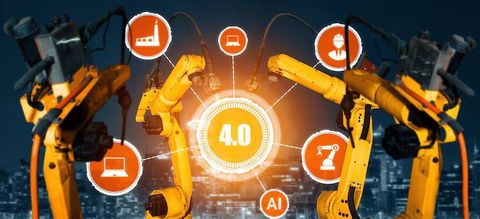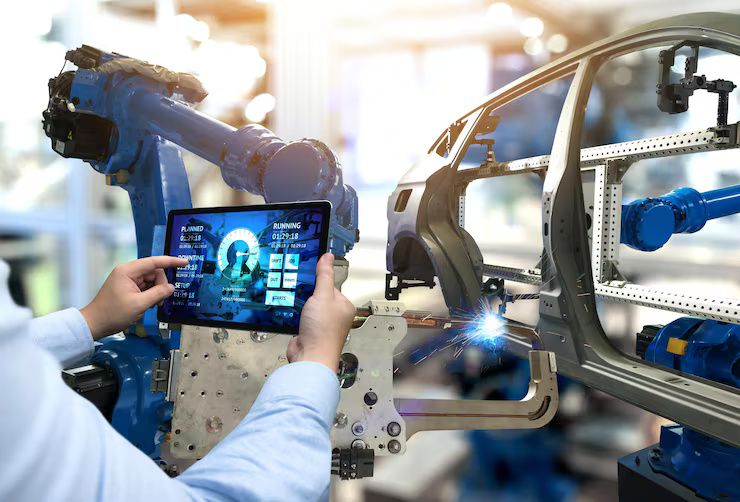
Smart factory automation refers to the use of advanced digital technologies, connected equipment, artificial intelligence, and automated systems to improve manufacturing processes. It represents an important part of Industry 4.0 technologies, where factories use data, communication networks, and intelligent machines to create more connected and flexible production environments.
Traditional factories relied mainly on manual operations and isolated machinery. Modern smart factories combine industrial automation systems, Industrial Internet of Things (IIoT) platforms, robotics, software, and analytics tools to monitor and manage production activities.
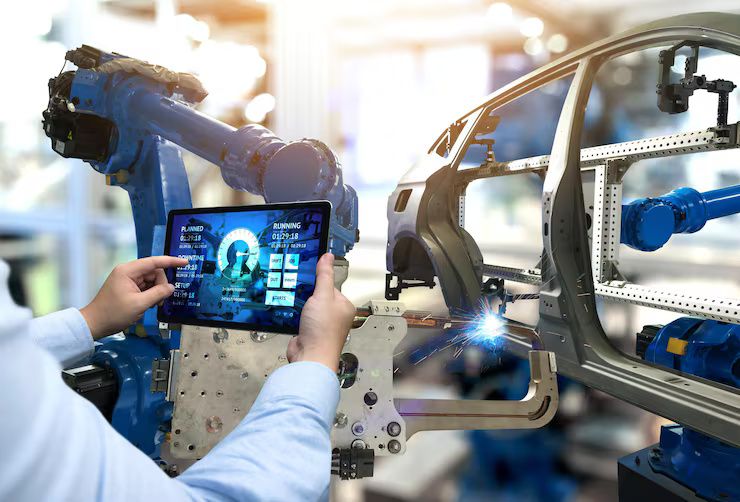
The development of intelligent manufacturing systems has changed how industries approach production, maintenance, quality control, and resource management. These technologies are used across sectors such as automotive, electronics, pharmaceuticals, food processing, aerospace, and industrial equipment manufacturing.
Context
Understanding Smart Factory Automation
A smart factory is a manufacturing environment where machines, software systems, and workers are connected through digital technologies. The goal is to create a more data-driven production system where information can be collected, analyzed, and used for better operational decisions.
Smart factory automation combines several technologies, including:
- Industrial robotics
- Sensors and connected devices
- Artificial intelligence systems
- Cloud computing
- Data analytics
- Automated control systems
- Digital manufacturing platforms
These technologies allow factories to monitor production conditions and respond to changing requirements.
Evolution From Traditional Manufacturing to Industry 4.0
Manufacturing has progressed through several stages of technological development.
| Manufacturing Stage | Main Characteristics |
|---|---|
| Traditional manufacturing | Manual processes and mechanical equipment |
| Automated manufacturing | Computer-controlled machines and production systems |
| Digital manufacturing | Connected software and data management |
| Industry 4.0 manufacturing | Intelligent, connected, and adaptive production environments |
Industry 4.0 technologies focus on creating factories where machines, systems, and data communicate with each other.
Key Technologies Behind Smart Factories
Modern smart factories use multiple technologies that work together.
Industrial IoT Platforms: Industrial IoT platforms connect machines, sensors, and software systems to collect operational data. These platforms help manufacturers monitor equipment conditions and production activities.
IIoT Solutions: IIoT solutions allow industrial devices to communicate through connected networks. They support real-time monitoring and data exchange between machines.
Artificial Intelligence Systems: AI manufacturing software analyzes production data to identify patterns, improve decision-making, and support automated processes.
Digital Twin Manufacturing: Digital twin technology creates virtual models of physical equipment or production systems. These models help analyze performance and simulate possible changes.
Manufacturing Execution Systems (MES): MES platforms manage production information, track manufacturing activities, and connect factory operations with business systems.
Components of an Intelligent Manufacturing System
An intelligent manufacturing system typically includes:
| Component | Purpose |
| Sensors | Collect information from machines and processes |
| Industrial networks | Enable communication between devices |
| Automation controllers | Manage machine operations |
| Software platforms | Analyze and organize production data |
| Robotics systems | Perform automated tasks |
| Analytics tools | Identify patterns and trends |
Importance
Why Smart Factory Automation Matters
Manufacturing industries face challenges related to production complexity, quality management, equipment reliability, and changing market requirements. Smart factory automation helps organizations address these challenges through connected technologies.
Important areas supported by automation include:
- Production monitoring
- Equipment management
- Quality analysis
- Resource planning
- Process optimization
Improving Manufacturing Visibility
Traditional production environments may have limited access to real-time operational information. Smart manufacturing solutions provide greater visibility by collecting data from machines and processes.
Connected manufacturing systems can provide information about:
- Equipment performance
- Production status
- Material usage
- Quality conditions
- Maintenance requirements
This information helps manufacturing teams understand factory operations more clearly.
Role of Predictive Maintenance Software
Equipment downtime can affect production schedules and operational planning. Predictive maintenance software uses machine data to identify possible equipment issues before major failures occur.
These systems may analyze:
- Machine vibrations
- Temperature changes
- Operating patterns
- Historical performance data
Predictive maintenance supports planned equipment management by providing additional information about machine conditions.
Applications Across Industries
Smart factory automation is used in many industrial sectors.
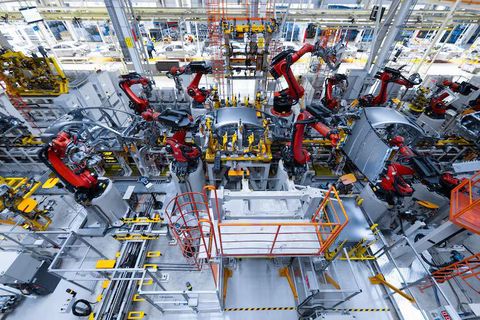
Automotive Manufacturing: Connected production systems support vehicle assembly, robotics, and quality monitoring.
Electronics Manufacturing: Automation helps manage precise component handling and production processes.
Pharmaceutical Manufacturing: Intelligent systems support controlled production environments and digital monitoring.
Food Processing: Automation technologies help manage packaging, quality checks, and production workflows.
Aerospace Manufacturing: Digital manufacturing solutions support complex production requirements and detailed process tracking.
Supporting Industrial Automation Systems
Industrial automation systems combine hardware and software to control manufacturing activities. These systems may include:
- Programmable controllers
- Robotic equipment
- Sensor networks
- Production software
- Monitoring platforms
Smart factories integrate these systems into connected manufacturing environments.
Recent Updates
Growth of AI-Driven Manufacturing
Between 2024 and 2026, artificial intelligence continued expanding within industrial environments. AI manufacturing software is increasingly used for data analysis, quality monitoring, and production support.
AI applications may include:
- Defect detection
- Production forecasting
- Process analysis
- Equipment monitoring
Human expertise remains important for operational decisions and system management.
Expansion of Digital Twin Manufacturing
Digital twin manufacturing continues developing as industries adopt virtual models of equipment and production systems.
Digital twins may help with:
- Equipment simulation
- Production planning
- Performance analysis
- System testing
These technologies allow manufacturers to study possible changes in digital environments.
Increased Use of Industrial IoT Platforms
Industrial IoT platforms are becoming more common as factories connect more devices and systems.
Modern IIoT solutions may support:
- Real-time machine monitoring
- Data collection
- Remote system analysis
- Connected equipment management
Development of Autonomous Manufacturing Systems
Autonomous manufacturing technologies combine robotics, artificial intelligence, and automation controls to perform specific production tasks.
Applications may include:
- Robotic assembly
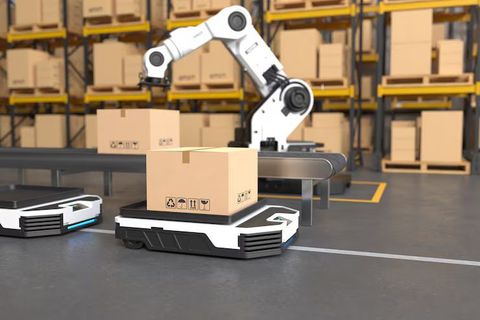
- Automated material handling
- Machine inspection
- Smart production lines
Growth of Cloud-Based Manufacturing Solutions
Cloud technologies are influencing how factories manage and analyze production information.
Cloud-based manufacturing platforms may support:
- Data storage
- Remote monitoring
- Software integration
- Production analytics
Security and data protection remain important considerations.
Laws or Policies
Industrial Safety Regulations
Smart factories must follow workplace safety regulations related to machinery, automation systems, and employee protection.
Safety considerations may include:
- Machine guarding
- Equipment inspection
- Emergency systems
- Operator training
Data Security Requirements
Connected manufacturing systems collect and exchange large amounts of operational data. Data security is an important consideration for Industry 4.0 environments.
Security practices may include:
- Network protection
- Access control
- Data management
- System monitoring
Industrial Standards
Manufacturing organizations often follow technical standards related to:
- Automation systems
- Communication protocols
- Equipment safety
- Data exchange
These standards help improve compatibility between different technologies.
Environmental and Energy Policies
Modern manufacturing policies increasingly consider energy efficiency and environmental management.
Smart technologies may support monitoring of:
- Energy usage
- Resource consumption
- Production efficiency
- Waste management
Tools and Resources
Manufacturing Execution Systems
Manufacturing Execution Systems help manage production activities by connecting factory operations with digital information systems.
MES platforms may support:
- Production tracking
- Quality documentation
- Workflow management
- Equipment monitoring
Industrial Data Analytics Platforms
Analytics platforms help process factory data and identify operational patterns.
They may support:
- Performance analysis
- Production reporting
- Equipment evaluation
- Decision support
Digital Twin Platforms
Digital twin platforms allow manufacturers to create virtual models of physical systems.
Applications include:
- Equipment simulation
- Process evaluation
- Design testing
- Performance analysis
Industrial Robotics Platforms
Robotics platforms support automated manufacturing activities such as:
- Assembly
- Inspection
- Material handling
- Packaging
Factory Monitoring Systems
Factory monitoring tools collect information from connected equipment.
They may track:
- Machine status
- Production output
- Operational conditions
- Maintenance indicators
FAQs
What is smart factory automation?
Smart factory automation uses connected technologies, automation systems, and digital tools to improve manufacturing processes through data-driven operations.
How do Industry 4.0 technologies work in factories?
Industry 4.0 technologies connect machines, software systems, sensors, and analytics platforms to create intelligent manufacturing environments.
What are intelligent manufacturing systems?
Intelligent manufacturing systems use automation, artificial intelligence, and connected technologies to monitor and manage production activities.
How does predictive maintenance software work?
Predictive maintenance software analyzes machine data to identify patterns that may indicate equipment condition changes and maintenance requirements.
What is the role of Industrial IoT platforms in manufacturing?
Industrial IoT platforms connect machines and devices, collect operational data, and support monitoring and analysis in manufacturing environments.
Conclusion
Smart factory automation represents a major development in modern manufacturing by combining Industry 4.0 technologies, connected systems, artificial intelligence, and industrial automation. Intelligent manufacturing systems help industries improve production visibility, equipment monitoring, and digital coordination. Technologies such as IIoT solutions, digital twin manufacturing, and predictive maintenance software continue shaping the future of connected factories. As manufacturing evolves, data management, cybersecurity, and responsible technology integration remain important considerations.