Smart meter technology is changing how electricity consumption is measured, monitored, and managed. Unlike traditional meters that mainly record total energy usage for periodic readings, smart meters can collect consumption information at regular intervals and communicate that information digitally.
This technology supports a more connected approach to energy management. Consumers can gain better visibility into electricity use, while utilities can receive more timely information about consumption patterns, outages, and network conditions.
As electricity systems become more digital and renewable energy becomes more common, smart meters are becoming an important part of modern energy infrastructure. Understanding how they work, what information they collect, and how they can be used helps consumers make better-informed decisions about energy use.
What Is Smart Meter Technology?
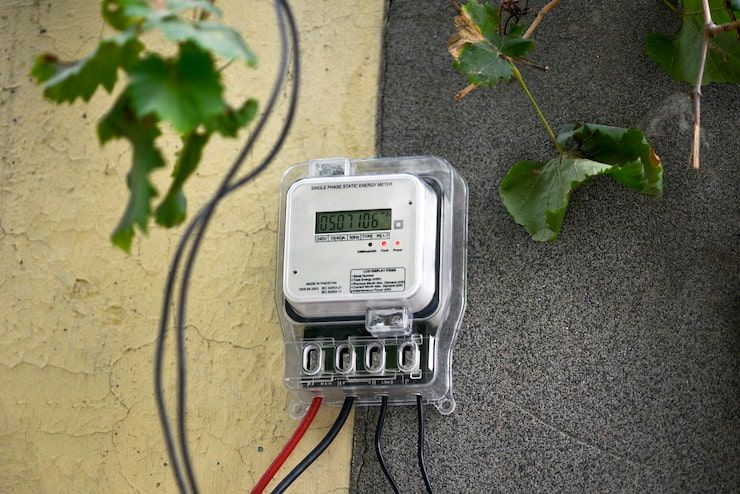
A smart meter is an electronic electricity meter that measures energy consumption and can communicate information digitally. Depending on the system, communication may occur through cellular networks, radio frequency, power-line communication, Wi-Fi, or other dedicated communication networks.
A smart meter generally performs several functions:
- Measures electricity consumption electronically
- Records consumption at defined intervals
- Stores measurement data
- Communicates information to a utility or energy management system
- Supports remote meter reading
- Can provide information about certain power or network events
The technology combines metering hardware, communication systems, data management platforms, and software. This makes smart metering different from simply replacing an older mechanical meter with a digital display.
How Does a Smart Meter Work?
Smart meter technology usually involves several connected stages.
1. Measuring Electricity
Sensors inside the meter measure electrical characteristics such as voltage and current. The meter processes these measurements to determine electricity consumption over time.
2. Recording Usage Data
Instead of producing only a cumulative reading, many smart meters record usage at regular intervals. Depending on the system configuration, this information can help identify when electricity consumption is higher or lower.
3. Communicating the Information
The meter sends selected information through its communication network. Utilities can use this data for billing processes, network monitoring, outage management, and other operational activities.
4. Processing and Analyzing Data
Collected information is transferred to utility systems where it can be stored and analyzed. Advanced platforms can identify consumption patterns, unusual events, and other operational conditions.
5. Providing Useful Information
Depending on the implementation, customers may be able to access consumption information through a web portal, mobile application, in-home display, or another interface.
Key Features of Smart Meters
Smart meters can include a range of capabilities depending on their design and the electricity network in which they operate.
Digital measurement: Electronic measurement provides detailed consumption information compared with traditional manual readings.
Two-way communication: Some advanced smart metering systems support communication in both directions, allowing utilities to send information or instructions to meters as well as receive measurements.
Remote readings: Meter information can be collected remotely, reducing the need for routine physical meter readings.
Interval data: Recording consumption at regular intervals creates a more detailed picture of electricity usage throughout the day.
Outage information: Smart meters can communicate certain outage-related events, helping utilities identify affected areas and improve response coordination.
Event monitoring: Meters can record selected operational events, such as communication problems or other electrical conditions, depending on their capabilities.
Data security features: Modern systems generally incorporate authentication, encryption, access controls, and other measures intended to protect meter communications and customer information.
Smart Meters vs. Traditional Meters
The main difference between traditional and smart meters is the amount of information that can be collected and communicated automatically.
A traditional meter typically provides a cumulative measurement that must be read periodically. A smart meter can record usage over time and communicate relevant information electronically.
This difference can make energy management more data-driven. Instead of relying primarily on occasional meter readings, utilities and customers can potentially work with more frequent consumption information.
However, smart meters do not automatically reduce electricity consumption. Their value comes from the information and capabilities they provide. Actual energy savings depend on how customers, utilities, and energy management systems use that information.
Benefits of Smart Meter Technology
Better Energy Awareness
More detailed consumption information can help users understand when and how electricity is being used. This can make it easier to identify high-consumption periods and evaluate changes in daily habits.
Remote Meter Reading
Utilities can collect readings digitally, reducing dependence on routine manual meter-reading visits. This can improve operational efficiency and make the reading process more consistent.
Faster Outage Information
Smart metering systems can provide utilities with information associated with certain outages and restoration events. This additional information can support network monitoring and response activities.
Improved Grid Management
Electricity demand changes throughout the day. More detailed usage data can help utilities understand demand patterns and manage distribution networks more effectively.
Support for Renewable Energy
Smart meters can contribute to modern electricity systems that include solar generation, battery storage, electric vehicles, and other distributed energy resources. Detailed measurement helps integrate these technologies into increasingly digital energy networks.
More Flexible Energy Management
Where supported by the utility and local regulations, smart meter data can help enable time-based electricity programs and other approaches that encourage consumption during particular periods.
Smart Meter Data and Privacy
Because smart meters can provide more detailed information about electricity consumption, data privacy is an important consideration.
Consumption information can reveal patterns about when electricity is being used. For this reason, smart metering programs generally require rules governing data collection, storage, access, and sharing.
Users should understand what information is collected, who can access it, how long it is retained, and what security measures are applied. Utilities and regulators may establish different requirements depending on the country or region.
Consumers can also check the privacy information associated with their local smart metering program to understand how their data is handled.
Smart Meter Technology and the Future of Energy
Smart meters are becoming part of a broader digital energy ecosystem. Future electricity networks are expected to involve greater interaction between consumers, renewable generation, energy storage, electric vehicles, and automated energy management systems.
Artificial intelligence and advanced analytics may also help utilities identify patterns in large volumes of meter data. These systems could support demand forecasting, network planning, anomaly detection, and more responsive energy management.
The development of distributed energy resources makes accurate measurement increasingly important. Homes and businesses may move from being purely electricity consumers to becoming participants that generate, store, consume, or manage electricity.
Smart meters can provide the measurement and communication layer needed to support this transition.
What Should Users Consider?
Anyone receiving a smart meter can consider several practical factors:
- Understand what information the meter records.
- Learn how consumption information can be accessed.
- Review the privacy and data-management policies provided by the utility.
- Check whether the system supports interval consumption information.
- Understand how outages and meter-related issues are reported.
- Learn whether local electricity programs use time-based consumption information.
- Keep the meter and associated communication equipment accessible to authorized personnel when maintenance is required.
The exact capabilities vary between countries, utilities, meter models, and communication networks, so users should refer to information provided for their specific installation.
Frequently Asked Questions
What is the main purpose of a smart meter?
The main purpose is to measure electricity consumption electronically and communicate relevant information digitally. This can support meter reading, energy monitoring, grid management, and other utility operations.
Does a smart meter reduce electricity consumption automatically?
No. A smart meter measures and communicates energy-use information. Reducing consumption depends on how that information is used and what energy-management practices are adopted.
Can smart meters detect power outages?
Many smart metering systems can communicate information associated with outages, although the exact detection and communication capabilities depend on the meter and network configuration.
Is smart meter data secure?
Smart metering systems are designed with security measures such as authentication, access controls, and protected communications. The actual privacy and security arrangements depend on the utility, technology, and applicable regulations.
Can smart meters support renewable energy?
Yes. Smart meters can play a role in electricity systems that include technologies such as rooftop solar, batteries, and electric vehicles by providing more detailed measurement and communication capabilities.
Conclusion
Smart meter technology represents an important development in modern electricity measurement. By combining electronic measurement, interval data, digital communication, and energy information systems, smart meters provide a more detailed view of electricity consumption than conventional meter-reading approaches.
For consumers, the technology can improve awareness of energy use and provide access to more timely information. For utilities, it can support remote readings, network monitoring, outage management, and increasingly data-driven grid operations.
As electricity networks become more connected and incorporate renewable generation, energy storage, and electric vehicles, smart meters are likely to remain an important part of the digital energy infrastructure. Understanding their capabilities, limitations, and data practices can help users make informed decisions about how they interact with modern energy systems.