Indoor heating helps maintain a comfortable temperature when outdoor conditions become cold. It can also support daily activities, protect temperature-sensitive materials, and make living spaces more pleasant during cooler months. However, choosing and using a heating system requires attention to safety, ventilation, energy consumption, and the specific needs of a home.
Safe indoor heating involves more than selecting a heater with sufficient output. Different heating methods operate in different ways, and each has its own installation requirements, operating limitations, and maintenance needs. Electric heaters, heat pumps, central heating systems, and fuel-burning appliances may all be suitable in particular circumstances, provided they are used correctly.
Understanding these differences helps homeowners and tenants make informed decisions. A well-planned indoor heating approach combines appropriate equipment, sensible temperature settings, regular maintenance, and precautions against fire, burns, and carbon monoxide exposure.
Understanding Common Indoor Heating Systems
Electric Space Heaters
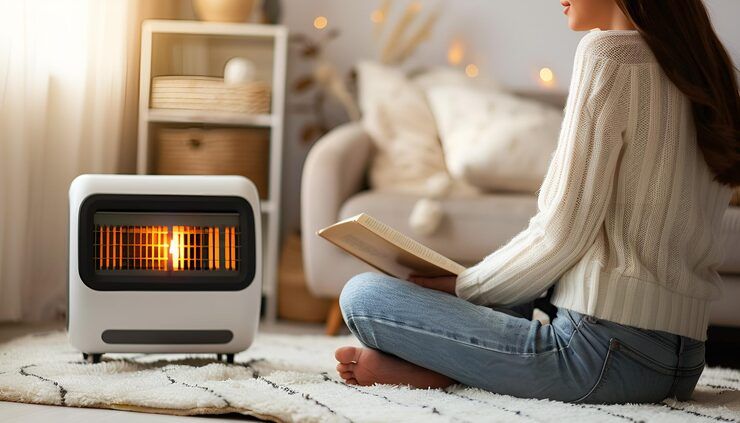
Electric space heaters convert electrical energy into heat and are commonly used to warm individual rooms. Portable models may use exposed or enclosed heating elements, ceramic components, or radiant heating technology.
These heaters can be useful when only one occupied room needs additional warmth. They generally do not require fuel combustion, so they do not produce carbon monoxide during normal operation. However, they still present electrical and fire hazards if damaged, overloaded, or placed near combustible materials.
Choose a model with appropriate safety features, such as overheat protection and tip-over shutoff where applicable. Follow the manufacturer's instructions regarding placement, electrical connections, and operating conditions.
Heat Pumps
Heat pumps transfer heat from one location to another rather than generating all their heat through electrical resistance. Air-source heat pumps, for example, can draw heat from outdoor air and transfer it indoors.
They can provide both heating and cooling, making them useful in homes that experience seasonal temperature changes. Their performance depends on outdoor conditions, equipment design, installation quality, and maintenance.
Heat pumps may use less electricity than conventional electric resistance heating for the same heating demand, although actual performance varies. Correct sizing and professional installation help ensure that the system operates effectively.
Central Heating Systems
Central heating systems distribute heat throughout a building using equipment such as a furnace, boiler, or heat pump. Depending on the design, heat may be delivered through ducts, radiators, or underfloor systems.
Central heating can provide consistent temperatures across several rooms, but its performance depends on insulation, system controls, duct or pipe condition, and proper maintenance.
Homeowners should arrange appropriate inspections and servicing according to the equipment manufacturer's recommendations. Systems that burn fuel require particular attention to combustion safety, exhaust pathways, and ventilation.
Fuel-Burning Heaters
Some indoor heating appliances use natural gas, propane, kerosene, or other fuels. These systems can produce heat effectively, but combustion creates additional safety considerations.
Fuel-burning appliances may generate carbon monoxide if combustion is incomplete or exhaust gases are not properly vented. Some appliances are designed for indoor use with specific ventilation requirements, while others are intended only for outdoor use.
Never operate a heater designed exclusively for outdoor use inside a home, garage, tent, or other enclosed space. Follow the manufacturer's instructions and local safety requirements for every fuel-burning appliance.
Essential Indoor Heating Safety Rules
Keep Heaters Away from Combustible Materials
Portable heaters should be placed on a stable, level surface with the clearance specified by the manufacturer. Keep them away from curtains, bedding, upholstered furniture, paper, clothing, and other combustible materials.
Avoid placing heaters where people may accidentally knock them over or where children and pets can reach hot surfaces. Do not use a heater to dry clothes or cover it with fabric unless the equipment is specifically designed for that purpose.
Before leaving a room or going to sleep, follow the manufacturer's instructions for switching off or operating the appliance. Portable heaters should not be left running unattended unless the manufacturer explicitly permits the intended mode of operation and all required safeguards are in place.
Use Electrical Equipment Correctly
Electric heaters draw substantial electrical power, so the electrical supply must be suitable for the appliance. Plug portable heaters directly into an appropriate wall outlet unless the manufacturer specifically states otherwise.
Avoid extension cords, power strips, and adapters when prohibited by the heater's instructions. Do not use damaged plugs, frayed cords, loose outlets, or equipment that becomes unusually hot.
If a circuit breaker trips repeatedly, investigate the cause rather than repeatedly resetting it. A qualified electrician can assess whether the circuit or electrical installation is suitable for the load.
Prevent Carbon Monoxide Exposure
Carbon monoxide is a colorless, odorless gas produced by incomplete combustion. Exposure can cause headache, dizziness, nausea, confusion, and other serious symptoms. Severe exposure can be fatal.
Install carbon monoxide alarms where required or recommended, particularly near sleeping areas and in homes with fuel-burning appliances. Follow the alarm manufacturer's placement and maintenance instructions, and replace batteries or units as directed.
Keep vents, chimneys, and exhaust outlets clear. Arrange professional inspections for fuel-burning heating equipment and never ignore signs of malfunction.
If a carbon monoxide alarm sounds or carbon monoxide exposure is suspected, leave the building immediately and move to fresh air. Contact emergency services or the appropriate local authority from a safe location. Do not re-enter until authorities confirm it is safe.
Ventilation and Indoor Air Quality
Heating can affect indoor air quality, especially when appliances burn fuel or when a home is poorly ventilated. Combustion-related pollutants, moisture, and other indoor contaminants can accumulate under unsuitable conditions.
Maintain the ventilation required for the heating system. Never block combustion air openings or ventilation grilles to keep a room warmer. Ensure that exhaust systems and flues remain unobstructed and are maintained according to professional guidance.
Unvented combustion heaters require particular caution because combustion products can enter the living space. Use such appliances only when specifically permitted for indoor operation and in strict accordance with the manufacturer's ventilation and operating requirements.
Electric heaters do not create combustion gases during normal operation, but they do not replace the need for appropriate general ventilation and moisture control.
Improving Heating Efficiency at Home
Efficient indoor heating begins with reducing unnecessary heat loss. Insulation in roofs, walls, and floors can help maintain indoor temperatures, while suitable window coverings can reduce heat transfer through windows.
Seal unintended drafts around doors and windows, but do not block required ventilation openings. Weatherproofing should improve comfort without interfering with the safe operation of combustion appliances.
Use thermostats and timers according to household routines. Heating occupied rooms to a comfortable temperature and reducing unnecessary heating in unused areas may help manage energy use, provided the system and building can safely accommodate those settings.
Regularly clean or replace filters where the manufacturer recommends it. Dirty filters can restrict airflow in certain heating systems and reduce performance.
For heat pumps and central systems, professional maintenance can help identify problems such as restricted airflow, incorrect controls, or worn components. Efficiency improvements depend on the building, climate, equipment, and operating habits.
Choosing the Right Heating Method
The most appropriate indoor heating method depends on room size, local climate, building insulation, electrical capacity, ventilation, and how frequently heating is needed.
For occasional heating in a small room, a portable electric heater may be suitable when used with appropriate precautions. For regular heating across an entire home, a heat pump or central system may provide a more practical solution.
Households should also consider noise levels, temperature control, installation requirements, maintenance access, and the availability of qualified technicians.
People with young children, older adults, or individuals who have difficulty sensing heat may need additional precautions around hot surfaces and portable appliances. Equipment should be selected and positioned to reduce the likelihood of accidental contact or burns.
Before installing a new heating system, review the manufacturer's specifications, building requirements, and relevant local regulations. A qualified professional can help assess systems that require electrical work, fuel connections, flues, or specialized installation.
Indoor Heating Maintenance and Warning Signs
Regular inspection helps identify potential problems before they become serious. Check portable heaters for damaged cords, unstable bases, unusual odors, and signs of overheating. Stop using equipment that appears damaged or behaves abnormally.
Fuel-burning systems should receive appropriate professional servicing, including checks of combustion components, exhaust pathways, and safety controls. Never attempt repairs beyond your training or the manufacturer's permitted maintenance procedures.
Warning signs can include soot around an appliance, persistent unusual odors, visible damage, repeated shutdowns, or changes in flame appearance where a visible flame is part of the design. These signs warrant stopping use when safe and arranging professional assessment.
Keep heaters, ventilation openings, and surrounding areas free of dust and clutter. Store fuel only as permitted by local regulations and the appliance manufacturer, away from ignition sources and living spaces where inappropriate.
Conclusion
Safe indoor heating depends on choosing suitable equipment, maintaining adequate ventilation, preventing fire hazards, and following manufacturer instructions. Electric heaters, heat pumps, central heating systems, and fuel-burning appliances each have different benefits and operating requirements.
Homeowners and tenants can improve comfort by reducing heat loss, using heating controls appropriately, and arranging regular maintenance. Carbon monoxide alarms, safe electrical connections, and professional inspections are particularly important wherever combustion or high electrical loads are involved.
By combining sensible equipment selection with preventive care and clear safety practices, households can maintain comfortable indoor temperatures while reducing avoidable risks.