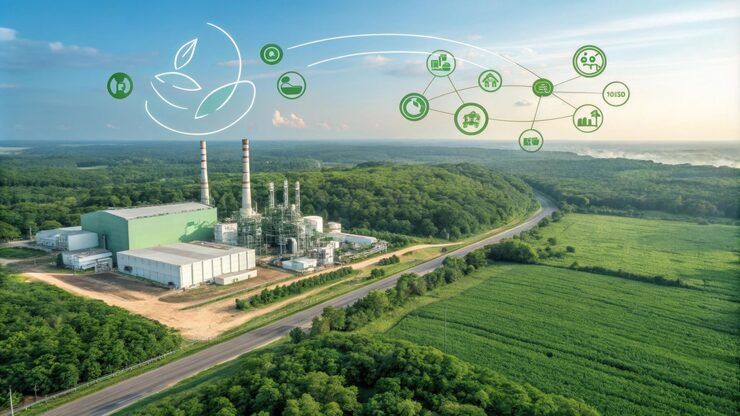
Sustainable manufacturing is an industrial approach that focuses on producing goods while reducing environmental impact, conserving natural resources, and improving energy efficiency. It combines modern production methods with environmental responsibility to support long-term industrial development.
Traditional manufacturing often depends on fossil fuels, large amounts of electricity, raw materials, and water. These activities can contribute to greenhouse gas emissions, industrial waste, air pollution, and resource depletion. Sustainable manufacturing aims to address these challenges through cleaner production systems and responsible resource management.
The concept of net zero is closely connected to this approach. Net zero means reducing greenhouse gas emissions as much as possible and balancing the remaining emissions through appropriate carbon removal measures.
How Industries Are Changing Production Methods
Manufacturers are gradually adopting technologies and operational practices that reduce emissions throughout production and supply chains.
Common approaches include:
Renewable energy: Using solar, wind, and other low-carbon electricity sources.
Energy-efficient machinery: Introducing advanced motors, sensors, and automated equipment.
Waste reduction: Reusing production materials and improving recycling processes.
Water conservation: Installing efficient water systems and treatment technologies.
Low-carbon materials: Exploring recycled metals, sustainable packaging, and alternative industrial materials.
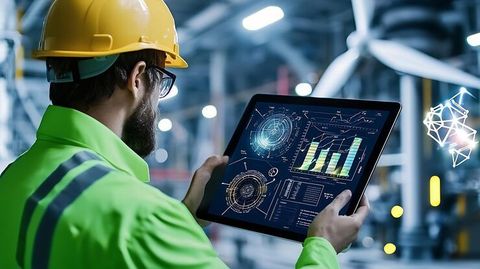
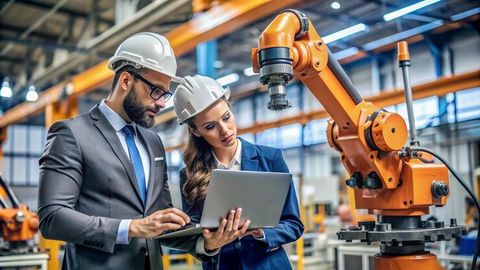
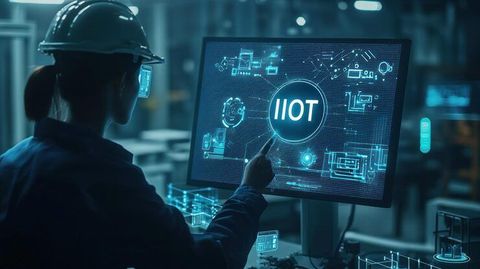
Smart manufacturing: Using artificial intelligence, robotics, and connected devices to improve production efficiency.
These developments are changing how factories operate and how industrial products are designed, manufactured, and distributed.
Why Sustainable Manufacturing Matters Today
Reducing Industrial Greenhouse Gas Emissions
Manufacturing contributes significantly to global greenhouse gas emissions through electricity consumption, industrial heating, transportation, and chemical processes. Industries such as steel, cement, chemicals, textiles, and automotive production face particular challenges because some manufacturing activities require high temperatures or specialized industrial processes.
Sustainable manufacturing helps reduce these emissions by improving energy efficiency, adopting renewable electricity, and developing lower-carbon production technologies.
Improving Resource Efficiency
Industrial production requires raw materials, water, energy, and packaging. When these resources are used inefficiently, factories generate unnecessary waste and increase environmental pressure.
Resource-efficient manufacturing focuses on:
Reducing raw material consumption.
Extending machinery and equipment life.
Reusing suitable production materials.
Recovering heat from industrial processes.
Improving water recycling systems.
Designing products for repair, reuse, and recycling.
These practices can also improve operational resilience and reduce dependence on limited natural resources.
Supporting Industrial Competitiveness
Environmental performance is becoming increasingly important for manufacturers, investors, suppliers, and international customers.
Companies with measurable sustainability strategies may be better prepared for changing environmental regulations and supply-chain expectations.
Sustainable manufacturing also encourages innovation in industrial automation, clean energy, battery technology, carbon capture, and advanced materials.
Industries Most Affected
Industry | Main Environmental Challenge | Sustainable Approach |
|---|---|---|
Steel | High-temperature production | Green hydrogen and electric furnaces |
Cement | Process-related emissions | Alternative materials and carbon capture |
Automotive | Manufacturing and supply-chain emissions | Electrification and recycled materials |
Textiles | Water use and chemical waste | Water recycling and cleaner processing |
Chemicals | Energy-intensive production | Electrification and low-carbon feedstocks |
Electronics | Energy and material consumption | Efficient manufacturing and material recovery |
Recent Developments and Emerging Trends in Sustainable Manufacturing
Growing Adoption of Artificial Intelligence
During 2025 and 2026, artificial intelligence (AI) and industrial automation continued to influence sustainable manufacturing strategies. Manufacturers are increasingly using AI-powered monitoring systems to understand energy consumption, identify equipment inefficiencies, and improve production planning.
Predictive maintenance is another important development. Sensors collect information about machinery performance, allowing maintenance teams to identify potential problems before equipment failures occur.
Important applications include:
AI-based energy consumption monitoring.
Automated production scheduling.
Predictive maintenance for industrial machinery.
Real-time monitoring of greenhouse gas emissions.
Digital twins for testing production improvements.
These technologies can help manufacturers make informed operational decisions and reduce unnecessary energy consumption.
Expansion of Green Hydrogen Technology
Green hydrogen is gaining attention as a potential alternative to fossil fuels in industries that require high-temperature heat or chemical feedstocks.
It is produced using renewable electricity to separate hydrogen from water through electrolysis. Unlike conventional hydrogen production using fossil fuels, green hydrogen can have substantially lower production emissions when powered by renewable electricity.
Steelmaking, chemicals, refining, and heavy industrial operations are among the sectors exploring its applications.
In 2025 and 2026, industrial decarbonization discussions increasingly focused on developing hydrogen infrastructure, improving electrolyser manufacturing, and supporting low-carbon industrial processes.
Development of Circular Manufacturing
Circular manufacturing focuses on keeping materials in productive use for longer periods instead of following a traditional take-make-dispose model.
Manufacturers are increasingly exploring:
Recycled metals and industrial materials.
Product refurbishment and component recovery.
Reusable industrial packaging.
Waste heat recovery systems.
Closed-loop water management.
Product designs that support easier disassembly.
These methods can reduce demand for virgin raw materials and help limit industrial waste.
Industrial Net-Zero Progress in 2025
A December 2025 World Economic Forum report examined progress across eight industrial and transport sectors responsible for nearly 40% of global greenhouse gas emissions.
The report highlighted that many emissions-reduction technologies already exist, but wider adoption depends on infrastructure, investment, policy support, and stronger demand for low-carbon industrial products.
This demonstrates that sustainable manufacturing requires more than installing new equipment. Industries also need coordinated improvements across electricity networks, transportation, material supply chains, and production facilities.
Important Developments During 2026
The European Union's Carbon Border Adjustment Mechanism entered its definitive phase on 1 January 2026. This development increased the importance of measuring and reporting the embedded emissions of certain imported industrial goods.
India also continued developing its industrial carbon market and green hydrogen programmes, encouraging manufacturers to explore verified emission reductions and cleaner production technologies.
Laws, Policies, and Government Initiatives
International Climate Commitments
The Paris Agreement provides an international framework for limiting global temperature increases. Countries establish national climate targets and develop policies to reduce greenhouse gas emissions.
Although the agreement does not create one universal manufacturing regulation, national commitments influence industrial energy policies, emissions reporting, renewable energy adoption, and low-carbon technology development.
Manufacturers operating internationally may therefore need to understand different environmental requirements across their markets.
European Union Environmental Regulations
The European Union has introduced several policies that influence industrial sustainability.
Carbon Border Adjustment Mechanism (CBAM)
CBAM addresses emissions associated with selected imported goods, including:
Iron and steel.
Aluminium.
Cement.
Fertilisers.
Electricity.
Hydrogen.
From 1 January 2026, its definitive regime introduced requirements for covered importers, including authorised status, emissions declarations, and CBAM certificates. This makes accurate emissions measurement increasingly important for international manufacturing supply chains.
EU Emissions Trading System (EU ETS)
The EU ETS establishes an emissions trading framework for covered sectors. It encourages industrial facilities to reduce greenhouse gas emissions and improve production efficiency.
Net-Zero Industry Act
The Net-Zero Industry Act supports the expansion of manufacturing capacity for strategic net-zero technologies, including renewable energy and other clean industrial technologies.
India's Sustainable Manufacturing Policies
India has introduced several initiatives to encourage industrial energy efficiency and lower greenhouse gas emissions.
National Green Hydrogen Mission
Approved in January 2023, the mission aims to establish India as a major producer and user of green hydrogen. Its target includes developing at least five million metric tonnes of annual green hydrogen production capacity by 2030.
The programme also supports electrolyser manufacturing and pilot projects in industrial sectors.
Carbon Credit Trading Scheme (CCTS)
India's Carbon Credit Trading Scheme establishes a framework for reducing industrial greenhouse gas emissions through compliance and voluntary mechanisms.
In December 2025, the government outlined the framework covering sectors including aluminium, cement, chlor-alkali, petrochemicals, petroleum refining, pulp and paper, and textiles.
Energy Efficiency Programmes
India's energy efficiency initiatives encourage industries to monitor electricity consumption, modernise equipment, and improve industrial energy performance.
Manufacturers should check the latest requirements applicable to their sector, facility, and operational activities because regulatory obligations can differ.
Tools and Resources for Sustainable Manufacturing
Carbon Footprint Measurement Tools
Understanding emissions is an important starting point for industrial decarbonization.
Useful resources include:
GHG Protocol: Provides widely used frameworks for measuring and reporting greenhouse gas emissions.
ISO 14064: Establishes principles and requirements for quantifying and reporting greenhouse gas emissions.
Carbon footprint calculators: Help estimate emissions associated with electricity, fuel consumption, transportation, and industrial activities.
Energy Management and Monitoring Tools
Manufacturers can use energy management systems to monitor electricity consumption and identify areas where efficiency improvements may be possible.
Useful resources include:
ISO 50001: An international standard for energy management systems.
Energy audit templates: Help record energy consumption and identify improvement opportunities.
Industrial energy monitoring platforms: Collect information from machinery, meters, and production systems.
Predictive maintenance software: Helps monitor equipment conditions and plan maintenance activities.
Environmental and Sustainability Reporting Resources
Environmental reporting helps manufacturers communicate their sustainability performance using consistent measurement methods.
Resource | Main Purpose | Industrial Application |
|---|---|---|
GHG Protocol | Emissions accounting | Carbon footprint reporting |
ISO 14001 | Environmental management | Factory environmental systems |
ISO 50001 | Energy management | Industrial energy efficiency |
Life Cycle Assessment (LCA) | Product environmental analysis | Sustainable product design |
CDP | Environmental disclosure | Climate and emissions reporting |
Science Based Targets initiative (SBTi) | Climate target guidance | Corporate net-zero planning |
These resources can help organisations establish measurable environmental objectives and evaluate progress over time.
Practical Steps for Manufacturers
Businesses beginning their sustainability journey can follow a structured approach:
Measure current electricity, fuel, water, and material consumption.
Identify major sources of direct and indirect greenhouse gas emissions.
Establish realistic emissions-reduction targets.
Evaluate renewable electricity and energy-efficient machinery.
Introduce recycling and waste management procedures.
Monitor progress using consistent performance indicators.
Review environmental performance regularly and update improvement plans.
Frequently Asked Questions
What Is the Main Goal of Sustainable Manufacturing?
The main goal is to produce goods while reducing greenhouse gas emissions, conserving natural resources, and minimising industrial waste. It encourages manufacturers to adopt cleaner energy, efficient machinery, and responsible production methods.
How Does Renewable Energy Support Net-Zero Manufacturing?
Renewable energy sources such as solar, wind, and hydropower can replace electricity generated from fossil fuels. This helps reduce emissions associated with factory operations and supports long-term industrial decarbonization.
What Is the Difference Between Sustainable Manufacturing and Traditional Manufacturing?
Traditional manufacturing generally focuses on production output, quality, and operational efficiency. Sustainable manufacturing considers these factors alongside energy consumption, emissions, waste reduction, water conservation, and resource management.
How Does Artificial Intelligence Improve Sustainable Manufacturing?
Artificial intelligence analyses production data, monitors machinery, predicts equipment maintenance requirements, and identifies energy inefficiencies. These applications can help factories improve operational performance and reduce unnecessary resource consumption.
Can Small and Medium-Sized Manufacturers Adopt Net-Zero Practices?
Yes. Small and medium-sized manufacturers can begin with energy audits, efficient lighting, machinery upgrades, waste segregation, water recycling, and renewable electricity. They can gradually introduce more advanced technologies as their operational capabilities develop.
Conclusion
Sustainable manufacturing is becoming an important part of the global industrial transition toward net zero. As environmental regulations, technological developments, and supply-chain expectations evolve, manufacturers are reconsidering how they use energy, materials, water, and industrial resources.
Technologies such as artificial intelligence, green hydrogen, renewable energy, carbon capture, and circular manufacturing are creating new opportunities to reduce industrial emissions.
However, achieving net zero requires long-term planning, accurate emissions measurement, infrastructure development, and cooperation between governments, manufacturers, technology providers, and supply-chain partners.
The transition will not happen overnight. Industries that combine practical environmental improvements with technological innovation can contribute to a more resource-efficient, resilient, and environmentally responsible manufacturing future.