Australia is a vast country with diverse landscapes, modern cities, unique wildlife, and long distances between major destinations. A successful trip often depends less on seeing everything and more on understanding how to plan around geography, weather, transportation, and the type of experience you want. Whether you are visiting Australia for the first time or planning a longer journey, a little preparation can make travel more comfortable and predictable.
From Sydney and Melbourne to the Great Barrier Reef, the Australian Outback, Tasmania, and the beaches of Queensland, each region has its own character. The following travel tips for Australia can help you organize your journey while leaving enough flexibility to enjoy the experience.
Understand Australia’s Size Before Planning Your Trip
One of the most important things to understand about Australia is its enormous size. Destinations that look relatively close together on a map can require many hours of driving or a flight. Trying to cover several states and major attractions during a short trip can result in spending more time in transit than exploring.
A better approach is to choose a region or a small group of destinations that fit your available time. For example, a trip focused on Sydney and the surrounding New South Wales region will feel very different from a Queensland itinerary that includes Brisbane, the Gold Coast, and tropical areas farther north.
When planning an itinerary, consider travel time between destinations rather than looking only at the number of places you want to visit. Allowing extra time between major activities can also make the trip less stressful.
Choose the Right Season for Your Destination
Australia does not have one uniform climate. Weather varies considerably between regions, and the seasons are opposite to those in the Northern Hemisphere. Summer generally falls from December through February, while winter occurs from June through August.
However, the season alone does not tell the whole story. Southern cities such as Melbourne, Sydney, and Hobart can experience cooler winter conditions, while northern Queensland and the Northern Territory have tropical climates with distinct wet and dry periods.
Before booking activities, check the typical conditions for the specific region you plan to visit. Beach holidays, hiking, wildlife experiences, road trips, and outdoor sightseeing can all be affected by seasonal weather.
It is also useful to prepare for changing conditions. Lightweight layers, sun protection, comfortable walking shoes, and weather-appropriate clothing can be more practical than packing exclusively for one type of weather.
Plan Transportation Around Your Itinerary
Australia offers several ways to travel, including domestic flights, trains, buses, rental vehicles, and local public transportation. The most suitable option depends heavily on distance and destination.
Flights are practical when traveling between distant cities. Public transportation can be convenient within major metropolitan areas, where trains, buses, trams, and ferries connect many popular locations.
A rental vehicle can provide greater flexibility for regional travel and road trips, particularly when visiting areas where public transportation is limited. However, driving long distances requires careful planning. Roads in remote areas can be isolated, and conditions can differ significantly from those in urban environments.
If you are planning a road trip, consider the actual driving distance, rest opportunities, fuel availability, mobile coverage, and weather conditions. Avoid assuming that a journey that looks simple on a map will be quick.
Protect Yourself From the Australian Sun
Strong sunlight is an important consideration throughout much of Australia. Visitors can underestimate the effect of the sun, especially when spending several hours outdoors near beaches, parks, hiking trails, or open landscapes.
Sun protection should be part of everyday travel preparation. Sunscreen, sunglasses, a hat, suitable clothing, and regular breaks in shaded areas can make outdoor activities more comfortable.
Staying hydrated is equally important, particularly during warmer months or physical activities. Carry water when appropriate and pay attention to signs of heat exhaustion. If you are hiking or traveling in remote areas, preparation becomes even more important because assistance may not be immediately available.
Respect Wildlife and Natural Environments
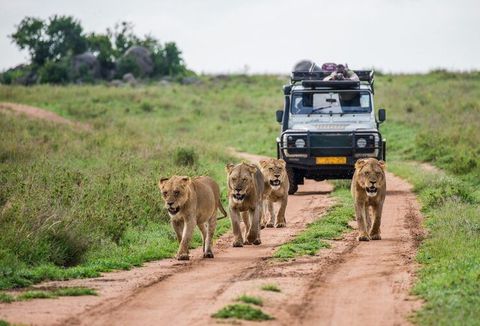
Australia is known for its distinctive wildlife, including kangaroos, koalas, wombats, crocodiles, and many native bird species. Seeing animals in their natural environment can be memorable, but wildlife should always be observed from a safe distance.
Wild animals can behave unpredictably, even when they appear accustomed to people. Avoid feeding or approaching wildlife unless an authorized experience specifically permits interaction.
The same principle applies to beaches, reefs, forests, national parks, and other natural areas. Follow local signs, remain on designated paths where required, and respect environmental restrictions. Conditions can change quickly in coastal and wilderness environments, so local guidance should take priority over assumptions based on previous travel experiences.
Learn a Few Australian Travel Customs
Australian cities are generally multicultural, and visitors will encounter people from many backgrounds. Basic courtesy and respect are important, just as they are elsewhere.
Australia also has its own everyday expressions and social habits. Casual conversation is common, and many interactions are informal. Understanding that local communication can be relaxed can make it easier to adapt.
When visiting Aboriginal cultural sites or Indigenous communities, follow local guidelines and respect cultural protocols. Some locations may have specific rules concerning photography, access, or behavior.
Public spaces, beaches, parks, and national facilities may also have rules designed to protect people and the environment. Reading signs and following local instructions is one of the simplest ways to avoid unnecessary problems.
Prepare for Different Types of Accommodation
Australia has a wide range of accommodation styles, from hotels and apartments to hostels, holiday parks, rural stays, and camping areas. Your choice should match your itinerary rather than simply the destination.
For city-based travel, staying near reliable public transportation can reduce daily travel time. For road trips, accommodation between major destinations may be more useful than returning to a central city every night.
During popular travel periods, accommodation in well-known destinations can become busy. Planning important overnight stops in advance can provide more certainty, while leaving some flexibility for less structured parts of the journey.
Keep Digital and Travel Documents Organized
Before leaving home, keep important travel information accessible in both digital and offline formats. This can include passport details, travel insurance information, accommodation confirmations, transportation reservations, emergency contacts, and copies of important documents.
Australia uses the Australian dollar, and electronic payments are widely used in many urban areas. Nevertheless, travelers should not rely entirely on a single payment method. Having a backup option can be useful if a card is lost, blocked, or temporarily unavailable.
A local mobile connection or suitable roaming arrangement can also be helpful for navigation, transportation information, communication, and emergency situations.
Build Flexibility Into Your Itinerary
One of the most useful Australia travel tips is to avoid creating an itinerary that leaves no room for change. Weather, transportation delays, unexpected closures, or simply discovering an interesting place can alter your plans.
Instead of scheduling every hour, identify the experiences that matter most and leave some open time around them. This is particularly useful for outdoor activities because weather conditions may influence whether a particular experience is comfortable or safe.
A flexible itinerary also makes long-distance travel more enjoyable. Australia rewards travelers who allow themselves time to explore rather than rushing from one attraction to another.Final Thoughts
Traveling around Australia becomes easier when the journey is planned around the country's geography, climate, transportation network, and local environment. Rather than trying to see every major attraction, focus on destinations that fit your available time and interests.
Good preparation does not mean creating a rigid schedule. It means understanding distances, checking regional conditions, carrying appropriate essentials, respecting local communities and wildlife, and leaving enough flexibility to enjoy unexpected experiences. With these practical travel tips for Australia, visitors can approach their trip with better preparation and a clearer understanding of what to expect.