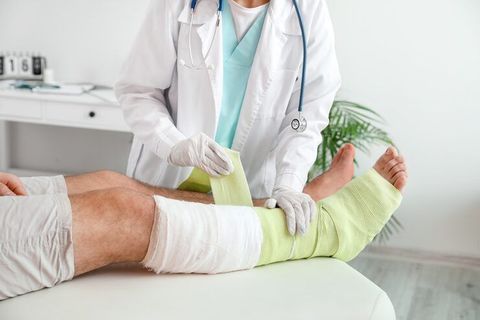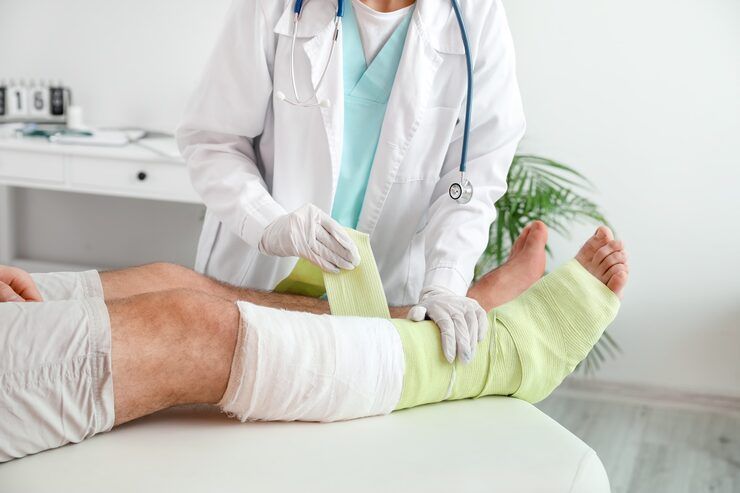
Bone fracture healing is the natural biological process through which a broken bone repairs itself. A fracture occurs when a bone develops a crack or breaks completely because of an injury, a fall, repeated stress, or a condition that weakens bone structure. Healing involves coordinated activity among bone cells, blood vessels, and surrounding tissues.
The recovery process varies depending on the location and severity of the fracture, a person's age, general health, and the treatment used. Some simple fractures heal within several weeks, while complex injuries may require several months or longer. Medical assessment helps determine the appropriate treatment and whether the bone is healing as expected.
How Bones Repair Themselves
Bone tissue is living tissue that continually undergoes renewal. After a fracture, the body initiates a sequence of biological changes that stabilize the injury and gradually rebuild the damaged area.
The main stages include:
Inflammatory stage: Blood vessels around the fracture are damaged, forming a blood clot called a hematoma. Inflammatory cells help clear damaged tissue and initiate repair.
Soft callus formation: Fibrous tissue and cartilage develop around the fracture, creating a temporary bridge between broken bone ends.
Hard callus formation: The soft callus gradually transforms into mineralized bone, helping restore structural strength.
Bone remodeling: The newly formed bone changes shape and structure over time, adapting to mechanical demands and gradually approaching its normal organization.
These stages overlap rather than occurring as completely separate events. Healing may progress differently depending on the fracture pattern, stability, blood supply, and individual health factors.
Common Types of Bone Fractures
Fractures are classified according to their shape, severity, and relationship with the surrounding skin.
Closed fracture: The broken bone does not penetrate the skin.
Open fracture: The fracture is associated with a wound that exposes the bone or communicates with the fracture site.
Displaced fracture: The broken bone ends have moved out of their normal alignment.
Stress fracture: A small crack develops because of repeated loading or overuse.
Comminuted fracture: The bone breaks into several fragments.
Compression fracture: A bone collapses under pressure, commonly affecting vertebrae.
Identifying the fracture type helps clinicians determine whether immobilization, surgical fixation, or another treatment approach is appropriate.
Factors That Influence Bone Fracture Recovery
Not every fracture heals at the same speed. Several biological and lifestyle factors affect bone regeneration and the likelihood of complications.
Medical and Lifestyle Factors
Important factors include:
Age: Children generally heal faster than older adults, although recovery varies by injury and overall health.
Nutrition: Adequate protein, calcium, vitamin D, and other nutrients support normal bone development and repair.
Blood circulation: Healthy blood flow delivers oxygen and nutrients required for healing.
Smoking: Tobacco use can interfere with circulation and bone repair.
Underlying conditions: Diabetes, osteoporosis, and certain other medical conditions may affect recovery.
Fracture stability: Excessive movement between broken bone ends can interfere with healing.
Following the recommended immobilization and rehabilitation plan helps protect the healing bone. Returning to strenuous activities too early can increase the risk of reinjury.
Typical Bone Healing Timelines
The following table provides general estimates rather than individual medical predictions.
Fracture type | Approximate healing period |
|---|---|
Finger or toe | 4–8 weeks |
Wrist | 6–8 weeks |
Rib | 6–8 weeks |
Ankle | 6–12 weeks |
Tibia (shinbone) | 3–6 months |
Femur (thighbone) | 3–6 months or longer |
These estimates describe common ranges for bone healing, not complete recovery. Pain reduction, radiographic union, restored strength, and return to normal activities may occur at different times. A treating clinician determines when weight-bearing and other activities are appropriate.
Recent Research and Developments
Research published in 2025 and 2026 has continued to examine biological treatments, medication effects, and methods for improving fracture outcomes.
Research on Bone-Regeneration Therapies
A review published in Bone Research on January 12, 2026, examined emerging approaches to bone regeneration, including cell-based treatments, proteins, gene therapies, and messenger RNA technologies. These approaches aim to improve the biological processes involved in bone repair, particularly when ordinary healing is impaired.
Many of these technologies remain experimental or require stronger clinical evidence. They should not be regarded as established treatments for routine fractures.
Osteoporosis Medication and Fracture Healing
A systematic review and meta-analysis published in 2026 examined the effects of osteoporosis medications on acute fracture healing. This research addressed ongoing questions about whether medicines that influence bone turnover affect fracture union and clinical outcomes.
The findings contribute to evidence-based discussions about osteoporosis management after a fracture. However, medication decisions depend on the individual's fracture, medical history, and risk of future fractures. Patients should not stop or change prescribed medication without consulting their clinician.
Updated Trauma Care Guidance in India
On March 26, 2025, India's Ministry of Health and Family Welfare highlighted standard treatment guidelines for trauma management. These guidelines emphasize timely assessment, coordinated treatment, and appropriate management of musculoskeletal injuries.
Early evaluation is important because some fractures involve damage to blood vessels, nerves, joints, or surrounding tissues. Research and updated clinical guidance continue to support structured assessment and individualized treatment.
Laws, Policies, and Medical Guidelines
Bone fracture treatment is affected by clinical practice guidelines, hospital protocols, medicine regulations, and public healthcare programs. These measures help guide appropriate diagnosis, treatment, rehabilitation, and patient safety.
Clinical Guidelines in India
India's standard trauma treatment guidelines provide a framework for evaluating and managing injuries, including fractures. Clinical teams use examination findings, imaging, injury severity, and patient characteristics to guide treatment.
Relevant medical practices include:
Prompt assessment of suspected fractures.
Appropriate X-ray imaging and additional scans when indicated.
Timely orthopedic referral for complex or unstable injuries.
Infection prevention and wound management for open fractures.
Follow-up examinations to assess healing and identify complications.
Rehabilitation planning based on fracture stability and functional progress.
These guidelines support clinical decision-making but do not replace an individual assessment by a qualified healthcare professional.
Medical Device and Medicine Oversight
In India, medical devices such as orthopedic implants, fixation plates, screws, and certain bone-regeneration products fall under applicable medical device regulations. Medicines used for pain management, osteoporosis, or other relevant conditions are governed by the country's pharmaceutical regulatory framework.
Approval and permitted use vary by product and indication. Experimental stem cell treatments and other emerging bone-regeneration techniques should not be assumed to be approved for routine fracture treatment.
Tools and Resources for Monitoring Recovery
Several practical tools can help patients and clinicians organize information throughout fracture recovery.
Useful Medical Tools
X-ray imaging: Helps identify fractures and assess changes in bone alignment and healing.
CT scans: Provide detailed images when complex fractures require further evaluation.
Bone mineral density testing: Helps assess osteoporosis risk in appropriate patients.
Pain and activity diaries: Record symptoms, mobility, and changes during recovery.
Rehabilitation tracking sheets: Help organize prescribed exercises and follow-up milestones.
Medication records: Support accurate tracking of prescribed medicines and supplements.
Nutrition and Rehabilitation Resources
A balanced diet containing adequate protein, calcium, vitamin D, and other essential nutrients supports normal bone health. Foods such as dairy products, fortified alternatives, eggs, legumes, fish, nuts, and leafy vegetables can contribute to nutritional needs.
Rehabilitation may include gradual movement, muscle-strengthening exercises, balance training, and mobility practice. The specific program depends on the injured bone and the clinician's instructions.
Patients should seek medical attention if they experience increasing pain, worsening swelling, fever, wound discharge, numbness, or changes in skin color around the injured limb. Sudden breathing difficulty or chest pain requires emergency assessment.
Frequently Asked Questions
How long does a bone fracture take to heal?
Many fractures heal within six to twelve weeks, but some require several months. Healing time depends on the bone involved, fracture severity, age, general health, and treatment. Clinical examination and imaging help assess progress.
What helps bones heal properly?
Appropriate fracture stabilization, adequate nutrition, sufficient protein, healthy blood circulation, and following medical instructions all support recovery. Avoiding tobacco and attending scheduled follow-up appointments are also important.
Can a fracture heal without surgery?
Yes. Many fractures can heal with a cast, splint, brace, or other form of immobilization. Surgery may be necessary when the fracture is unstable, significantly displaced, open, or otherwise unsuitable for nonsurgical treatment.
What is delayed fracture healing?
Delayed healing occurs when a fracture takes longer than expected to heal. Nonunion refers to a fracture that fails to unite within the expected period and meets accepted clinical criteria. Both conditions require medical evaluation to identify possible causes and appropriate treatment.
Does walking help a broken bone heal faster?
Walking is not appropriate for every fracture. Some injuries benefit from carefully prescribed weight-bearing, while others require restricted movement. Follow the treating clinician's instructions rather than increasing activity independently.
Conclusion
Bone fracture healing is a complex biological process that depends on bone stability, blood supply, nutrition, and overall health. Understanding the stages of repair and the factors that influence recovery helps patients make informed decisions and follow appropriate treatment plans.
Advances in bone-regeneration research, fracture imaging, and trauma care continue to improve understanding of recovery and complications. However, emerging treatments require careful evaluation before they can be considered routine medical practice.
Timely diagnosis, appropriate fracture management, regular follow-up, and individualized rehabilitation remain central to successful recovery. Medical guidance is especially important when pain worsens, healing is delayed, or complications are suspected.