Teeth whitening is a cosmetic dental procedure intended to lighten the natural color of teeth or reduce visible stains. Tooth color varies naturally from person to person and can change over time because of food, beverages, tobacco exposure, aging, and certain medications. Teeth whitening aims to improve appearance by addressing some of these changes.
There are several approaches to teeth whitening, including whitening toothpaste, peroxide-based whitening strips, dentist-supervised whitening trays, and professional in-office treatments. Each method works differently, and results depend on the type of discoloration, the whitening ingredients, and the condition of the teeth.
How Teeth Whitening Works
Many whitening products contain hydrogen peroxide or carbamide peroxide. These ingredients release active compounds that help break down colored molecules within the tooth structure. This process can make certain stains less noticeable.
Whitening toothpaste generally works differently. It often contains mild abrasives that help remove surface stains without significantly changing the natural internal color of the tooth.
Tooth discoloration is commonly divided into two categories:
Extrinsic stains: Surface discoloration associated with coffee, tea, red wine, tobacco, and certain foods.
Intrinsic stains: Discoloration originating within the tooth, potentially related to aging, dental trauma, developmental conditions, or certain medications.
Understanding the type of staining is important because not every form of discoloration responds equally well to whitening treatments.
Common Teeth Whitening Methods
Professional dental whitening involves a dentist applying a whitening formulation under controlled conditions. The dentist assesses oral health, selects an appropriate approach, and monitors potential irritation or sensitivity.
At-home whitening kits may contain whitening strips, gels, or trays. Their effectiveness depends on the active ingredient, concentration, application instructions, and duration of use.
Whitening toothpaste helps remove surface stains and maintain a cleaner-looking tooth surface. It may have limited effects on deeper discoloration.
Custom-fitted whitening trays are prepared using dental impressions or digital scans. They help distribute a whitening gel across the teeth and can reduce contact with the gums when fitted and used correctly.
Whitening is not the same as dental cleaning. Cleaning removes plaque, tartar, and deposits, while whitening targets discoloration. A dental examination can help determine which approach is appropriate.
Why Teeth Whitening Matters Today
Interest in cosmetic dentistry has grown alongside greater awareness of oral health, personal appearance, and dental aesthetics. People may explore teeth whitening before social occasions, professional photographs, or other events. However, the main consideration should be selecting a method that is suitable for the individual's dental condition.
Teeth whitening can also encourage people to learn more about oral hygiene, stain prevention, and regular dental examinations. Nevertheless, whiter teeth are not necessarily healthier teeth. Healthy gums, strong enamel, and the absence of untreated dental disease are more important indicators of oral health.
Factors That Affect Tooth Color
Several factors influence the appearance of teeth:
Dietary habits: Coffee, tea, and strongly colored foods may contribute to surface staining.
Aging: Enamel gradually changes over time, making the underlying dentin more visible.
Tobacco exposure: Tobacco products can cause persistent yellow or brown discoloration.
Dental trauma: An injured tooth may darken because of changes within its internal structure.
Medications: Certain medications can cause intrinsic discoloration, depending on the substance and timing of exposure.
Oral hygiene: Inadequate plaque removal can affect tooth appearance and gum health.
Benefits and Limitations
When appropriately selected, teeth whitening can reduce some types of discoloration and improve the appearance of natural teeth. However, outcomes vary, and whitening does not correct every cosmetic concern.
Whitening products generally do not change the color of crowns, veneers, fillings, or other restorative materials. This difference can become noticeable when natural teeth lighten but existing restorations retain their original shade.
Potential side effects include temporary tooth sensitivity and gum irritation. Excessive use, inappropriate product concentrations, or prolonged contact with soft tissues may increase these risks. People with cavities, gum disease, exposed roots, or significant enamel damage should seek dental advice before using whitening products.
Recent Developments in Teeth Whitening
Teeth whitening research and product standards continue to evolve, with attention to product quality, labeling, safe application, and the management of unwanted effects.
New International Standard in 2026
In October 2026, the International Organization for Standardization published the updated ISO 28399:2026 standard for external tooth bleaching products. It addresses product requirements, testing methods, packaging, labeling, and manufacturer instructions for professional and at-home whitening products.
The standard provides a framework for evaluating whitening products, although it does not independently determine the permitted peroxide concentration in every country. National regulatory requirements continue to apply.
Greater Attention to Product Safety
In June 2026, Ireland's Health Products Regulatory Authority warned consumers about potentially unsafe teeth whitening products containing excessive hydrogen peroxide. The authority reported detaining 6,849 units during 2025 and taking action involving 105 website addresses associated with noncompliant products.
This development highlights the importance of checking product labeling, ingredient concentrations, and regulatory compliance. Consumers should be cautious about products with unclear ingredients or instructions.
Changes in Dental Regulation in India
On March 19, 2026, India established the National Dental Commission, replacing the Dental Council of India. The change represents a broader development in dental education and professional regulation rather than a specific new whitening treatment rule.
These developments reinforce the importance of evidence-based dental care and appropriate oversight of products used in the mouth.
Laws and Policies Affecting Teeth Whitening
Teeth whitening is subject to different regulatory frameworks depending on the country. Rules may cover cosmetic product ingredients, manufacturing quality, labeling, dental practice, and the use of higher-concentration bleaching agents.
Regulations in India
In India, teeth whitening products are covered by the wider framework governing cosmetics and oral care products.
The Drugs and Cosmetics Act, 1940, and Cosmetics Rules, 2020 establish requirements relevant to cosmetic products, including applicable manufacturing and import controls.
The Bureau of Indian Standards has also published IS 18447:2023, which addresses specifications for external tooth whitening and bleaching products. Relevant ingredient standards include IS 4707 (Part 2):2025.
These standards help establish technical expectations for product formulation and safety assessment. Their legal applicability depends on the relevant regulations and any applicable mandatory requirements.
Important Safety Considerations
Consumers should follow the product's instructions and avoid applying concentrated bleaching agents without appropriate dental supervision.
A dentist can evaluate cavities, gum inflammation, enamel damage, restorations, and existing sensitivity before whitening. Children and teenagers require particular caution because age restrictions may apply to certain products and treatments.
Because regulations vary internationally, requirements in India should not be assumed to apply in the United States, the United Kingdom, or other countries.
Tools and Resources for Teeth Whitening
Several practical resources can help people understand whitening options and maintain oral health.
Helpful Dental Tools
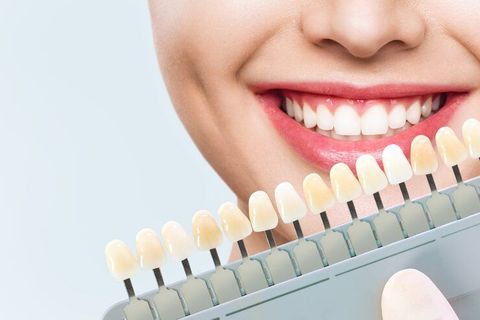
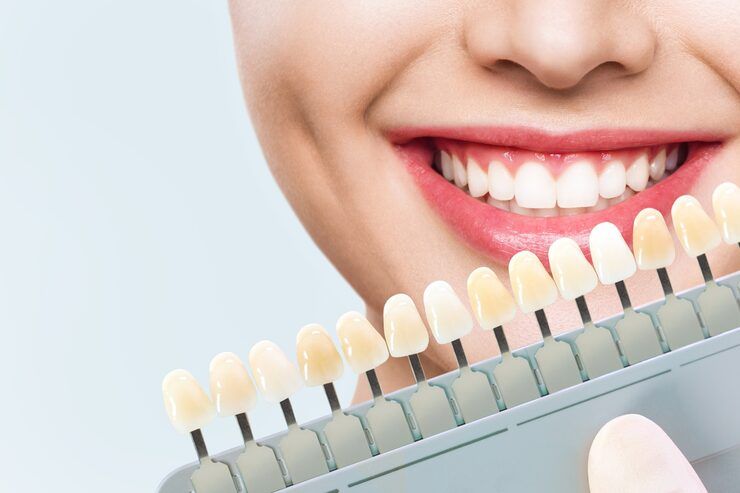
Dental shade guides: Help compare tooth color before and after treatment under consistent lighting.
Oral health assessment checklists: Help identify symptoms such as sensitivity, bleeding gums, or visible cavities that warrant dental evaluation.
Whitening product ingredient labels: Provide information about peroxide concentration, active ingredients, warnings, and instructions.
Dental appointment records: Help track treatment history, sensitivity, and the condition of existing restorations.
Oral hygiene trackers: Support regular brushing, interdental cleaning, and routine dental examinations.
Reliable Information Sources
Useful sources of dental information include the Indian Dental Association, the Ministry of Health and Family Welfare, the Bureau of Indian Standards, the World Health Organization, and recognized dental associations in other countries.
When comparing whitening methods, consider the following factors.
Whitening method | Main purpose | Important limitation |
|---|---|---|
Whitening toothpaste | Remove surface stains | Limited effect on intrinsic discoloration |
Whitening strips | Lighten selected stains | May cause temporary sensitivity |
Custom whitening trays | Apply whitening gel to teeth | Require correct fitting and use |
In-office whitening | Dentist-supervised bleaching | Results and sensitivity vary |
Routine dental cleaning | Remove plaque and surface deposits | Does not bleach the natural tooth color |
The most suitable method depends on dental health, the type of discoloration, personal sensitivity, and the ingredients used.
Frequently Asked Questions
How long does teeth whitening last?
Results vary according to the whitening method, diet, oral hygiene, tobacco exposure, and natural tooth characteristics. Whitening effects may last for months or longer, but staining can gradually return. Maintaining good oral hygiene can help preserve the results.
Is teeth whitening safe for sensitive teeth?
People with sensitive teeth may experience increased discomfort during whitening. A dentist can assess the underlying cause and recommend an appropriate approach. Persistent sensitivity should be evaluated rather than managed by repeatedly applying whitening products.
Does whitening toothpaste change the natural color of teeth?
Most whitening toothpastes primarily remove surface stains through polishing ingredients. Some formulations may produce modest changes in appearance, but they generally do not bleach deeper discoloration as peroxide-based products can.
Can crowns and veneers be whitened?
No. Conventional whitening agents do not change the color of crowns, veneers, fillings, or similar restorations in the same way they affect natural teeth. A dental professional can explain how whitening may affect the overall appearance of a restored smile.
What should someone do before whitening their teeth?
A dental examination is advisable, especially when there is sensitivity, gum bleeding, visible decay, damaged enamel, or existing dental work. People should check product ingredients, follow instructions, and avoid unverified whitening mixtures or excessive treatment.
Conclusion
Teeth whitening is a cosmetic dental approach that can reduce certain stains and lighten the appearance of natural teeth. Options range from whitening toothpaste and home-use products to dentist-supervised bleaching, with different levels of effectiveness and potential sensitivity.
Recent developments in international product standards and regulatory oversight demonstrate the continuing importance of quality, accurate labeling, and safe use. In India, cosmetic regulations and dental standards provide relevant guidance, while individual treatment decisions should account for a person's oral health.
A careful approach combines realistic expectations, appropriate product selection, good oral hygiene, and professional dental advice when needed. The goal should be improved appearance without compromising the health of teeth and gums.