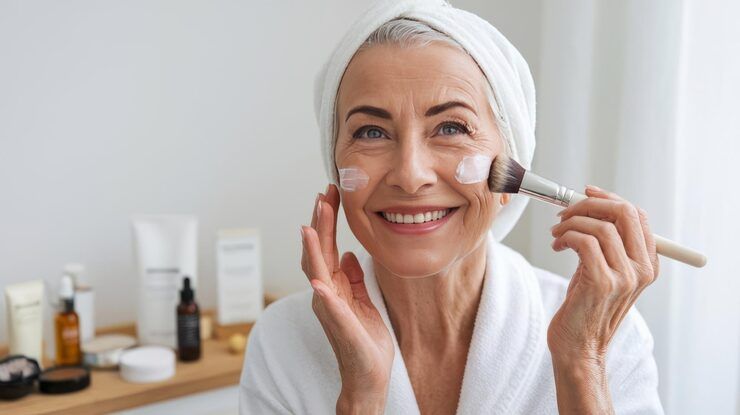
Anti-aging skincare refers to practices and products designed to support skin health, reduce the appearance of certain visible signs of aging, and protect the skin from environmental damage. These practices commonly include daily sun protection, gentle cleansing, moisturizing, and the appropriate use of ingredients such as retinoids and antioxidants.
Skin changes naturally with age. Collagen and elastin production can decline, cell renewal can slow, and the skin may become drier or less resilient. Fine lines, uneven pigmentation, and changes in texture can also develop over time.
Genetics, hormonal changes, smoking, ultraviolet radiation, pollution, and lifestyle factors can influence how these changes appear. Skincare cannot stop biological aging, but evidence-based habits can help maintain the skin barrier and reduce some signs of premature skin aging.
Understanding Skin Aging
Skin aging is generally discussed in two broad categories: intrinsic aging and extrinsic aging.
Intrinsic aging is the natural process associated with genetics, time, and changes in the body's biological functions. It can involve reduced collagen production, thinner skin, and changes in moisture retention.
Extrinsic aging results from external influences, particularly ultraviolet radiation from sunlight. Repeated UV exposure can contribute to wrinkles, uneven pigmentation, rough texture, and other signs of photoaging.
Other factors, including tobacco smoke and environmental pollution, may also contribute to oxidative stress and skin damage.
Common Ingredients in Anti-Aging Skincare
Different skincare ingredients address different concerns. Their effects depend on concentration, formulation, consistency of use, and individual skin tolerance.
Retinoids: Vitamin A derivatives that can improve the appearance of fine lines, uneven texture, and some pigmentation changes.
Vitamin C: An antioxidant used in some formulations to help protect against oxidative stress and improve the appearance of uneven skin tone.
Hyaluronic acid: A humectant that attracts water and helps skin appear hydrated and temporarily plumper.
Niacinamide: A form of vitamin B3 that can support the skin barrier and help improve uneven tone.
Ceramides: Lipids that help maintain the skin's protective barrier and reduce moisture loss.
Peptides: Ingredients used in certain formulations, although evidence for their benefits varies by compound and product.
Broad-spectrum sunscreen: Protects against UVA and UVB radiation when used correctly and regularly.
No single ingredient addresses every sign of skin aging. A balanced routine generally prioritizes sun protection, moisture retention, and ingredients suited to the individual's skin concerns.
Why Anti-Aging Skincare Matters
Anti-aging skincare is relevant to adults across different age groups. Some people focus on preventing sun damage, while others want to improve dryness, uneven pigmentation, or the appearance of fine lines.
The main goal is to support healthy skin rather than achieve a particular age-related appearance. Skin texture, pigmentation, and moisture levels vary naturally between individuals, and visible changes do not necessarily indicate poor skin health.
Sun Protection and Premature Aging
Ultraviolet radiation is one of the most important environmental contributors to premature skin aging. UVA rays penetrate deeper into the skin, while UVB rays are strongly associated with sunburn. Both contribute to skin damage.
Useful sun protection habits include:
Using broad-spectrum sunscreen with SPF 30 or higher.
Applying enough sunscreen to cover exposed skin.
Reapplying approximately every two hours outdoors and after swimming or heavy sweating.
Wearing protective clothing, sunglasses, and a wide-brimmed hat.
Seeking shade when UV levels are high.
Sunscreen is relevant throughout the year because ultraviolet exposure can occur even when the weather is cool or cloudy.
Skin Barrier and Hydration
The skin barrier helps retain moisture and protect against external irritants. When the barrier becomes impaired, the skin may feel tight, dry, flaky, or sensitive.
Moisturizers containing ingredients such as ceramides, glycerin, and hyaluronic acid can help support hydration. Gentle cleansing and avoiding excessive exfoliation can also reduce irritation.
A routine that causes persistent redness or peeling may be too aggressive, even if it contains widely discussed skincare ingredients.
Recent Developments in Anti-Aging Skincare
Research and industry discussions during 2025 and 2026 have continued to focus on skin barrier health, topical retinoids, photoprotection, and the role of the skin microbiome.
Greater Attention to Skin Barrier Health
Skincare guidance increasingly emphasizes maintaining a healthy skin barrier alongside addressing visible signs of aging. This approach favors gentle cleansing, regular moisturizing, and careful introduction of active ingredients.
Using several strong exfoliating products or retinoids simultaneously can increase irritation without necessarily improving results.
Research on Retinoids and Skin Aging
Retinoids remain among the better-studied topical ingredients for improving signs of photoaging. Research continues to examine their effects on collagen-related processes, skin texture, pigmentation, and tolerability.
However, results vary by formulation and concentration. Stronger prescription retinoids may produce more irritation and require medical supervision, while cosmetic retinol products differ in their formulation and supporting evidence.
Personalized Skincare and Digital Tools
During 2025 and 2026, digital skin analysis, personalized skincare questionnaires, and artificial intelligence-based skin assessment continued to attract attention.
These tools may help organize skincare routines or track visible changes, but lighting, camera quality, skin tone, and image processing can affect their accuracy. They should not replace a clinical assessment of a changing mole, persistent rash, or other potentially significant skin problem.
Interest in Skin Microbiome Research
The skin microbiome refers to microorganisms that naturally live on the skin's surface. Researchers continue to investigate how these organisms interact with the skin barrier, inflammation, and environmental factors.
Although this is an active research area, claims that a particular microbiome-focused product can reverse skin aging should be evaluated carefully. Evidence for individual ingredients and finished products varies considerably.
Laws, Regulations, and Skincare Safety
Anti-aging skincare products are regulated differently across countries. Rules generally address product safety, ingredient restrictions, labeling, advertising claims, and the distinction between cosmetics and medicines.
Cosmetic Regulations in the United States
The US Food and Drug Administration (FDA) regulates cosmetic products under federal law. Cosmetic labels and advertising must not be false or misleading. Products promoted to treat disease or affect the body's structure or function may fall under drug regulations rather than cosmetic rules.
The FDA also regulates sunscreen as an over-the-counter drug in the United States, with specific requirements for active ingredients, labeling, and effectiveness.
Important Sunscreen Update in 2026
On June 10, 2026, the FDA added bemotrizinol to the permitted active ingredients under its over-the-counter sunscreen framework. This marked the first addition of a new sunscreen active ingredient to that framework since the late 1990s.
In September 2026, the FDA also issued a final order removing aminobenzoic acid (PABA) and trolamine salicylate from the permitted sunscreen ingredient framework because of safety concerns. The agency stated that the change was not expected to affect products then available in the US market.
These decisions illustrate why sunscreen regulations and ingredient guidance should be checked periodically.
Responsible Product Selection
When choosing skincare products, consumers should:
Read ingredient lists and usage instructions.
Check expiration dates where provided.
Follow sunscreen application instructions.
Introduce active ingredients gradually.
Avoid products promising guaranteed or permanent reversal of aging.
Seek professional advice for persistent irritation or unexplained skin changes.
Retinoids require particular care during pregnancy. People who are pregnant, planning pregnancy, or breastfeeding should consult an appropriate healthcare professional about ingredient safety.
Tools and Resources for Skincare Planning
Several practical tools can help organize a consistent skincare routine.
Skincare Routine Tracker
A simple daily log can record the products used, application frequency, skin reactions, and changes in dryness or irritation. Consistent records can help identify patterns that may otherwise be difficult to recognize.
Ingredient and Label Review
Product labels can help identify active ingredients, concentrations when disclosed, warnings, and instructions. Ingredient databases can provide additional background, but they cannot guarantee that a product will suit every skin type.
Dermatology Resources
Reliable dermatology education can help explain sunscreen use, retinoids, skin barrier health, and changes that require clinical assessment. A dermatologist can also help distinguish ordinary skin aging from conditions such as rosacea, eczema, or suspicious skin lesions.
Frequently Asked Questions
What is the most important step in an anti-aging skincare routine?
Daily broad-spectrum sun protection is one of the most important steps for reducing premature skin aging. Gentle cleansing and regular moisturizing also support skin health.
Does retinol reduce fine lines and wrinkles?
Retinol may improve the appearance of fine lines, uneven texture, and some pigmentation changes with consistent use. Results vary, and irritation can occur, particularly when treatment begins.
At what age should someone begin anti-aging skincare?
There is no universal starting age. Sun protection and gentle skin care are useful at different life stages, while specific active ingredients should be selected according to skin concerns, tolerance, and professional advice when needed.
Can moisturizers reverse skin aging?
Moisturizers can improve hydration and make fine lines appear temporarily less noticeable. They do not reverse the biological aging process, although maintaining skin hydration can improve the skin's appearance and comfort.
How long does it take to notice results?
Hydration improvements may be noticeable relatively quickly, while changes in fine lines, pigmentation, or texture can take several weeks or months. Results depend on the ingredient, formulation, consistency, and individual skin characteristics.
Conclusion
Anti-aging skincare focuses on supporting skin health, maintaining hydration, protecting against ultraviolet radiation, and addressing visible changes such as fine lines and uneven pigmentation. Ingredients such as retinoids, vitamin C, niacinamide, and ceramides can play different roles, but their effects depend on formulation and individual needs.
Developments during 2025 and 2026 highlight continuing research into skin barrier health, personalized skincare, and sunscreen technology. Regulatory changes also demonstrate the importance of checking ingredient information and following evidence-based guidance.
A practical routine does not need to be complicated. Consistent sun protection, gentle cleansing, suitable moisturizing, and careful use of active ingredients provide a reasonable foundation. Understanding product claims and consulting qualified dermatology professionals when necessary can help people make informed decisions about long-term skin care.