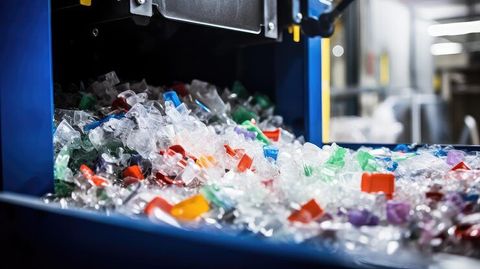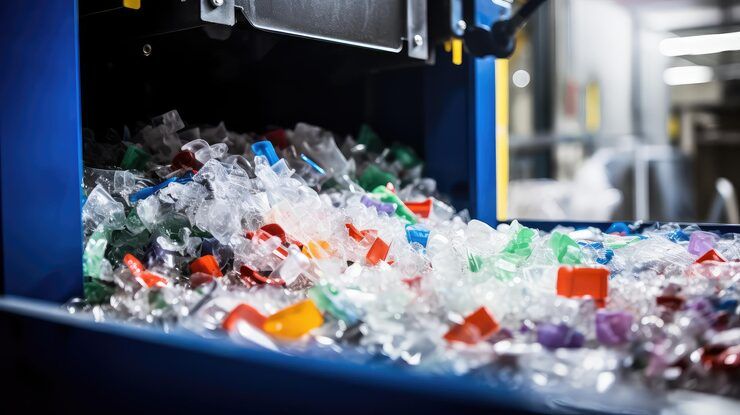
Plastic shredders are industrial machines designed to reduce plastic waste into smaller pieces for easier handling, sorting, transportation, and further processing. They are used in recycling facilities, manufacturing plants, packaging operations, and waste management centers to process materials such as plastic containers, packaging film, pipes, drums, and manufacturing scrap.
Plastic products are used across industries including construction, healthcare, agriculture, automotive manufacturing, electronics, and consumer goods. Their widespread use creates a need for effective waste management systems that can separate suitable materials and prepare them for recycling or other approved treatment methods.
A plastic shredder is often the first major processing machine in a recycling line. However, shredding alone does not complete the recycling process. The resulting plastic fragments may require washing, sorting, drying, granulation, or further processing before they can be used in manufacturing.
Understanding Plastic Shredding Machines
A plastic shredding machine typically uses rotating cutting blades to tear or shear plastic items into smaller pieces. The machine's design determines the types of materials it can handle, the particle size it produces, and the throughput it can achieve.
Industrial plastic shredders commonly use one or more rotating shafts fitted with cutting elements. Plastic material enters the cutting chamber, where the blades reduce it into fragments. Some systems use screens to control the maximum size of the discharged material.
Common types include:
Single-shaft shredders: Use a rotating shaft and cutting tools, often with a hydraulic pusher for feeding bulky plastic materials.
Double-shaft shredders: Use two counter-rotating shafts to tear larger or tougher items into pieces.
Four-shaft shredders: Use multiple shafts to provide additional cutting stages and more controlled particle reduction.
Plastic film shredders: Handle flexible materials such as packaging film, subject to the machine's design.
Pipe shredders: Process bulky plastic pipes and profiles.
Granulators: Further reduce plastic fragments into smaller, more uniform particles.
The most suitable machine depends on the plastic type, item dimensions, contamination, required output size, and intended downstream process.
How Plastic Shredding Works
A typical industrial plastic recycling line follows several stages.
Material inspection: Incoming plastic is checked for unsuitable materials, excessive contamination, and items that could damage equipment.
Feeding: Plastic is introduced into the shredding chamber using suitable manual or automated feeding arrangements.
Size reduction: Rotating cutting blades break the plastic into smaller fragments. Machine settings and cutting geometry influence the output.
Screening: Where fitted, a screen helps control the size of discharged pieces. Oversized fragments may remain in the chamber for further reduction.
Separation and cleaning: Depending on the material, additional equipment removes metals, dirt, labels, and other contaminants.
Further processing: Shredded plastic may undergo granulation, washing, drying, extrusion, or pelletizing before reuse.
Not every plastic waste stream can be recycled through the same process. Material identification and contamination control are important because different polymers have different physical and chemical properties.
Why Plastic Shredders Matter
Plastic shredders help recycling facilities prepare waste for material recovery. Smaller pieces can be easier to convey, store, wash, sort, and process in suitable downstream equipment.
Industrial and Environmental Applications
Plastic shredding is used in several sectors:
Packaging and container recycling
Manufacturing scrap recovery
Construction plastic processing
Agricultural film management
Automotive plastic component recycling
Electronic equipment waste processing
Household plastic waste treatment
Industrial material recovery
Effective size reduction can improve material handling and support more consistent downstream processing. However, the overall environmental benefit depends on the complete waste management system, including collection, sorting, energy consumption, contamination control, and the final destination of recovered material.
Choosing the Right Machine
Equipment selection requires attention to both operating conditions and output requirements.
Important considerations include:
Plastic type, such as polyethylene, polypropylene, or rigid engineering plastics
Material dimensions and thickness
Required processing capacity
Target fragment size
Blade material and replacement requirements
Motor power and energy consumption
Dust and noise management
Maintenance access and machine guarding
A machine designed for rigid plastic containers may not perform equally well with thin films, long pipes, or heavily contaminated mixed waste.
Recent Developments in Plastic Shredding and Recycling
Plastic recycling technology continues to develop as governments and manufacturers focus on material recovery, recycling quality, and improved waste management systems.
European Union Packaging Rules
The European Union's Packaging and Packaging Waste Regulation, Regulation (EU) 2025/40, entered into force on February 11, 2025. Its general application date is August 12, 2026.
The regulation establishes requirements related to packaging design, waste prevention, recyclability, and packaging waste management. These measures are relevant to the wider recycling industry because packaging design and material composition influence the effectiveness of mechanical recycling systems.
Plastic shredders can contribute to the size-reduction stage, but compliance depends on the entire collection, sorting, recycling, and packaging management process.
Developments in Advanced Recycling
Research and industrial investment during 2025 and 2026 continued to examine mechanical recycling improvements, polymer identification, automated sorting, and chemical recycling methods.
Mechanical recycling remains an important pathway for suitable plastic waste. Advanced processes may address selected materials that are difficult to handle through conventional mechanical methods, although their technical performance and environmental impact depend on the specific process.
Automation and Process Monitoring
Industrial recycling facilities increasingly use sensors, automated feeding, equipment monitoring, and improved material separation to support more consistent operation.
For shredding equipment, monitoring motor load, bearing temperature, vibration, and throughput can help operators identify developing mechanical problems. Automation does not eliminate the need for inspections, safe operating procedures, or appropriate maintenance.
Laws, Regulations, and Environmental Policies
Plastic shredding facilities are affected by waste management regulations, workplace safety requirements, environmental permits, and rules governing the handling of particular waste streams. The exact requirements depend on the country and the type of material being processed.
Plastic Waste Management in India
India's Plastic Waste Management Rules, 2016, as amended, provide a framework for managing plastic waste. The rules address responsibilities for different stakeholders and include provisions relating to plastic waste processing and extended producer responsibility for plastic packaging.
The Central Pollution Control Board and relevant State Pollution Control Boards oversee various aspects of implementation, registration, reporting, and environmental compliance.
Businesses planning a plastic recycling operation should check the current requirements applicable to their location, including any necessary permissions, registration, pollution control measures, and reporting obligations.
European Union Requirements
The European Union's packaging rules establish requirements for packaging and packaging waste across member states. Other European waste legislation can also affect collection, sorting, treatment, and recovery activities.
A shredding facility must consider the rules that apply to its specific operation rather than assuming that using recycling machinery alone establishes regulatory compliance.
Workplace and Environmental Safety
Plastic shredders contain moving cutting elements that can cause serious injuries if guards, interlocks, and safe operating procedures are inadequate.
Facilities should assess risks associated with:
Moving blades and rotating shafts
Unexpected machine startup
Electrical systems
Noise and vibration
Dust and airborne particles
Fire and overheating
Manual handling
Blockage removal and maintenance
Appropriate controls can include emergency stops, fixed guards, lockout procedures, dust extraction, fire prevention systems, training, and documented maintenance schedules.
Tools and Resources for Plastic Recycling
Reliable technical information helps facilities evaluate equipment and plan compliant recycling operations.
Government and Regulatory Resources
Useful sources include:
Central Pollution Control Board, India: Plastic waste rules, registration requirements, and regulatory guidance.
Ministry of Environment, Forest and Climate Change, India: Environmental legislation and policy information.
European Commission: Packaging and packaging waste legislation and implementation information.
Technical equipment documentation: Machine specifications, throughput ranges, motor ratings, blade details, maintenance instructions, and material compatibility.
Equipment Evaluation Checklist
| Evaluation Factor | Information to Review |
|---|---|
| Input material | Polymer type, shape, and dimensions |
| Throughput | Required kilograms or tonnes per hour |
| Output size | Target fragment dimensions |
| Cutting system | Shaft configuration and blade design |
| Energy use | Motor rating and measured consumption |
| Safety | Guards, interlocks, and emergency stops |
| Maintenance | Blade inspection and replacement intervals |
| Compliance | Applicable permits and environmental requirements |
A spreadsheet can help compare equipment specifications and estimate electricity use per tonne. For a basic estimate, divide measured electricity consumption in kilowatt-hours by the mass processed in tonnes over the same operating period.
Actual results should be based on operating data because throughput varies with material type, feeding consistency, and machine settings.
Frequently Asked Questions
What is a plastic shredder used for?
A plastic shredder reduces plastic waste into smaller fragments for easier handling, sorting, cleaning, and further recycling. It is commonly used in manufacturing facilities and industrial recycling plants.
What is the difference between a plastic shredder and a granulator?
A shredder generally handles initial size reduction and can process bulky plastic items. A granulator usually produces smaller and more uniform particles for downstream processing. Some recycling lines use both machines.
Which plastics can be processed by industrial shredders?
Depending on the design, shredders can process materials such as polyethylene, polypropylene, rigid plastic containers, pipes, packaging waste, and selected engineering plastics. Thin films and contaminated mixed plastics may require specialized equipment.
How can the performance of a plastic shredding machine be evaluated?
Performance can be assessed through throughput, output particle size, energy consumption, material quality, downtime, blade life, and maintenance requirements. Results should be measured using the intended feedstock under realistic operating conditions.
What regulations apply to plastic shredding facilities?
Requirements vary by location and operation. They may include plastic waste management rules, environmental permits, workplace safety standards, fire prevention, pollution controls, and registration or reporting obligations.
Conclusion
Plastic shredders play an important role in industrial waste reduction and plastic recycling. By reducing bulky plastic items into manageable fragments, they prepare materials for subsequent separation, cleaning, granulation, and other recovery processes.
Developments in packaging regulation, automated sorting, equipment monitoring, and recycling technology continue to influence how plastic waste is processed. Nevertheless, successful recycling depends on more than shredding capacity. Material identification, output quality, energy efficiency, workplace safety, and compliance with environmental requirements are equally important.
Selecting suitable equipment begins with understanding the incoming plastic, required throughput, desired output size, and intended downstream application. When integrated into a well-managed recycling system, plastic shredders can support more effective material recovery and responsible plastic waste management.