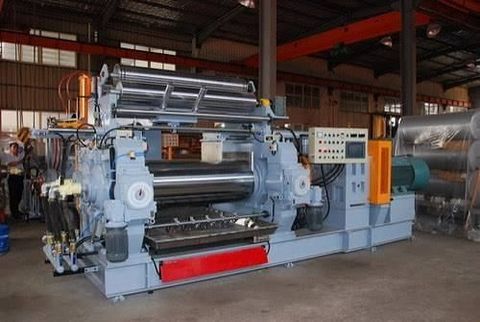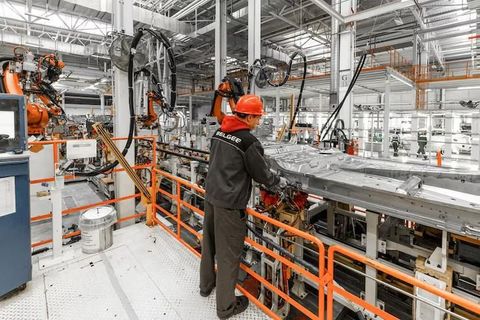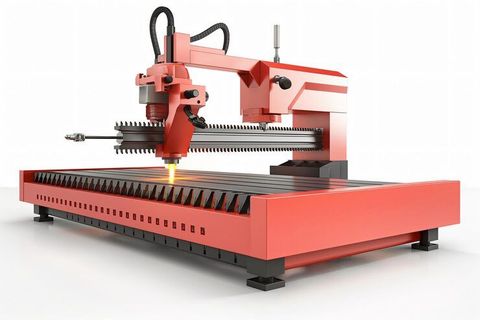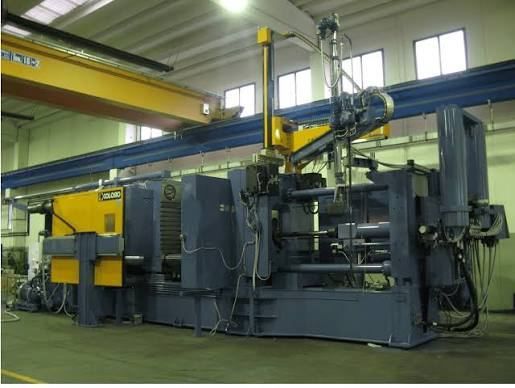
Casting machines are industrial systems used to shape molten materials into specific forms through controlled moulding and solidification. Casting machines details can vary significantly depending on the material, casting method, production requirements, and final component design.
Modern casting equipment is used across metalworking, automotive, aerospace, construction, machinery, and other manufacturing sectors. Understanding casting machine types, features, operating principles, and industrial uses can help readers understand how different casting processes fit specific production requirements.
Context
Casting is a manufacturing process in which a material, commonly a metal alloy, is heated until it becomes sufficiently fluid and then introduced into a mould. After the material cools and solidifies, the resulting component is removed and may undergo additional processing.
Casting machines provide controlled conditions for activities such as material handling, mould filling, pressure application, cooling, and component removal. The exact equipment configuration depends on the casting method being used.
Common casting machine categories include:
| Casting Machine Type | General Principle | Common Applications |
|---|---|---|
| Die Casting Machine | Molten metal enters a metal die under pressure | Automotive and industrial components |
| Investment Casting Equipment | Material is formed around a detailed expendable pattern | Aerospace and precision components |
| Sand Casting Equipment | Molten material fills a sand-based mould | Machinery and large components |
| Centrifugal Casting Machine | Rotation distributes molten material against a mould wall | Pipes and cylindrical parts |
| Continuous Casting Machine | Molten metal continuously solidifies into a controlled section | Steel and non-ferrous metals |
| Low-Pressure Casting Machine | Controlled pressure moves molten metal into a mould | Wheels and shaped components |
Casting machines can also be classified by their operating method, mould arrangement, pressure system, automation level, and material compatibility.
Main Components
A casting machine may contain several integrated systems. These can include a melting or material-feeding arrangement, mould or die assembly, hydraulic or mechanical mechanisms, temperature controls, cooling circuits, sensors, and control software.
Depending on the machine design, automated systems can monitor variables such as temperature, pressure, filling time, cycle conditions, and cooling performance.
Casting Process
A typical casting sequence may involve:
- Preparing the mould or die.
- Heating and preparing the casting material.
- Introducing the material into the mould.
- Applying controlled pressure or movement when required.
- Allowing the material to solidify.
- Removing the finished casting.
- Inspecting and processing the component.
Different casting methods modify these steps according to the material and component requirements.
Importance
Casting machines are important because they provide controlled and repeatable conditions for producing components with specific shapes and dimensions. Their use can reduce the need for machining complex shapes from solid material and can support the production of components with internal features.
The technology affects several industrial groups, including foundries, component manufacturers, engineering organizations, maintenance teams, and quality-control departments.
Important considerations when evaluating casting equipment include:
- Material type and alloy characteristics
- Required component dimensions
- Mould or die configuration
- Production volume
- Temperature requirements
- Pressure requirements
- Cooling arrangements
- Automation and control systems
- Quality inspection requirements
- Workplace safety conditions
For example, high-pressure die casting is commonly associated with rapid production of metal components with relatively complex shapes. Sand casting can accommodate a broad range of component sizes and designs, while continuous casting is widely associated with the production of semi-finished metal forms.
The correct machine configuration depends on the application rather than on one universal equipment design.
Recent Updates
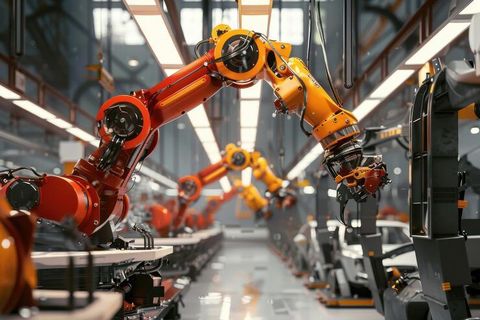
Casting technology has increasingly incorporated automation, sensors, digital monitoring, and data analysis. These developments are intended to improve process control and provide more information about operating conditions.
Industrial casting machines may now integrate programmable controllers, human-machine interfaces, temperature sensors, pressure monitoring, and automated material-handling systems.
Another development is the increased use of process data. Recorded information can help production teams identify variations in temperature, pressure, filling behavior, and cooling conditions.
Energy management is also an area of continuing development. Equipment manufacturers and industrial operators are examining furnace efficiency, thermal management, heat recovery, and optimized process cycles to reduce unnecessary energy consumption.
Digital simulation is another important area. Casting simulation software can model material flow, solidification, temperature distribution, and potential defects before physical production begins. This can help engineers examine process conditions during the design stage.
Modern equipment may also incorporate:
- Automated mould handling
- Robotic component extraction
- Real-time temperature monitoring
- Digital process controls
- Automated quality inspection
- Data recording and production analysis
These developments vary by machine type, manufacturer, industry, and application.
Laws or Policies
Casting operations are subject to workplace safety, environmental, energy, and material-handling requirements. Specific rules depend on the country, region, facility, materials, and type of casting process.
Industrial facilities may need to address hazards associated with molten materials, high temperatures, hydraulic equipment, moving machinery, fumes, dust, noise, and electrical systems.
In the United States, the Occupational Safety and Health Administration provides workplace safety requirements and guidance relevant to foundries and metalworking operations. Environmental requirements can also apply to emissions, waste handling, air quality, and industrial processes.
In the European Union, workplace safety and environmental requirements can involve multiple regulatory frameworks. Machinery safety rules and environmental legislation may apply depending on the equipment and facility.
In India, industrial facilities may need to consider occupational safety, environmental protection, factory regulations, electrical safety, and pollution-control requirements applicable to their operations.
Organizations should consult the relevant government authorities and current regulations for their jurisdiction rather than relying on a general casting-machine guide. Requirements can change according to equipment type, material, process, and facility conditions.
Tools and Resources
Several resources can help users understand casting machines and industrial casting processes.
Useful resources include:
- Equipment manuals and technical documentation
- Casting process handbooks
- Engineering material databases
- Casting simulation software
- Temperature and pressure monitoring systems
- Metallurgical testing resources
- Occupational safety guidance
- Government environmental regulations
- Technical standards and industry publications
Engineering teams may also use process calculations to examine variables such as metal volume, filling time, cooling requirements, material density, and component dimensions.
For equipment selection and process planning, technical specifications should be reviewed together with the intended material, component geometry, production environment, and applicable safety requirements.
FAQs
What is a casting machine?
A casting machine is industrial equipment designed to support the controlled formation of components from molten or otherwise processable materials. Its configuration depends on the casting method.
What are the main types of casting machines?
Common types include die casting machines, continuous casting machines, centrifugal casting machines, low-pressure casting machines, and equipment used for sand and investment casting processes.
Where are casting machines used?
Casting machines are used in industries such as automotive manufacturing, aerospace, construction, machinery, metal production, energy equipment, and general engineering.
What features are important in casting equipment?
Important features can include temperature control, pressure regulation, mould or die configuration, cooling systems, automation, sensors, process monitoring, and safety mechanisms.
How does automation affect casting machines?
Automation can control or monitor activities such as material movement, mould handling, filling, temperature measurement, component extraction, and process data collection. The extent of automation varies by equipment design.
Conclusion
Casting machines provide controlled methods for producing components from metals and other castable materials. Their designs range from relatively simple mould-based systems to highly automated equipment incorporating sensors, digital controls, pressure systems, and process monitoring.
Understanding casting machine types, features, applications, and regulatory considerations helps readers recognize how different technologies are used across industrial environments. Machine selection and process design should be based on material characteristics, component requirements, production conditions, safety considerations, and applicable regulations.
As industrial casting continues to develop, automation, digital monitoring, simulation, and energy management are expected to remain important areas of technical development. These technologies can provide additional process information and support more controlled manufacturing operations.