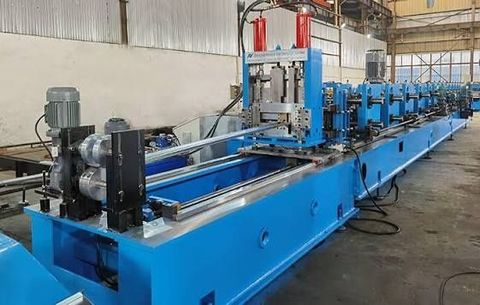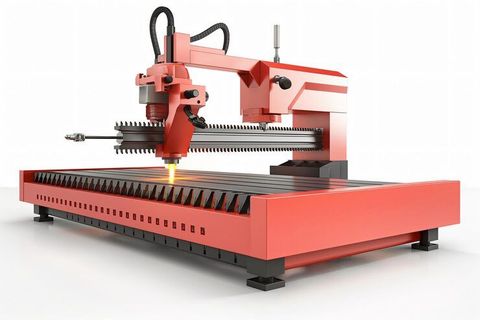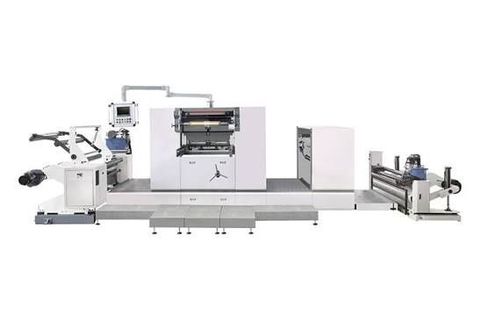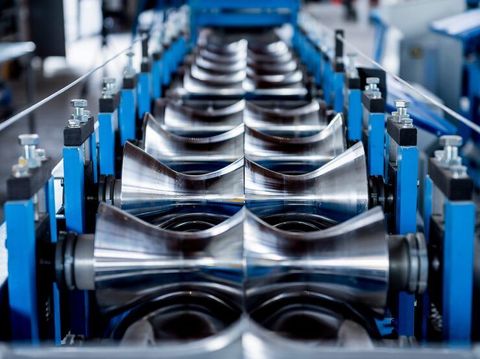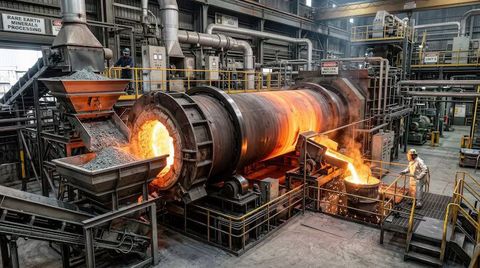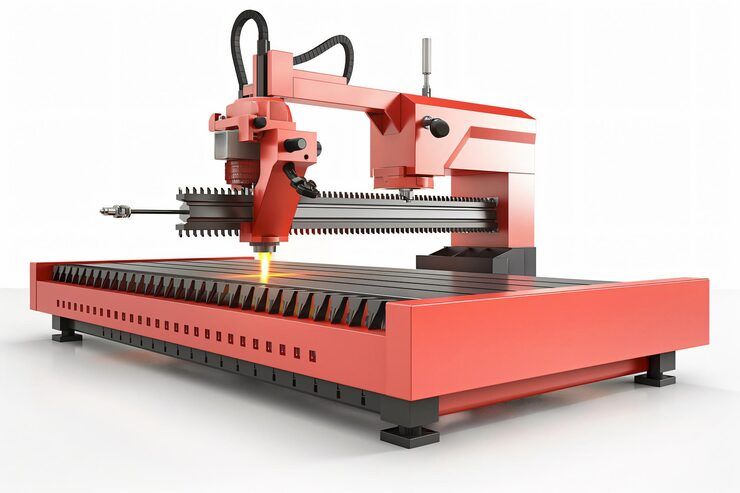
Metal fabrication machines are used to shape, cut, bend, drill, punch, and form metal materials into specific dimensions and designs. These machines are important in manufacturing, construction, automotive production, infrastructure, and many other industrial activities.
Understanding metal fabrication machines helps users recognize how different processes work and why particular equipment is selected for specific materials and applications. Common methods include cutting, bending, forming, punching, drilling, and related finishing processes.
Context
Metal fabrication is the process of converting metal sheets, plates, tubes, bars, or other raw forms into usable components. A metal fabrication machine provides controlled mechanical, hydraulic, electrical, thermal, or computer-assisted movement to perform these operations accurately.
The basic purpose of fabrication equipment is to change the shape or dimensions of metal while maintaining the required specifications. Different machines are designed for different tasks, so the selection depends on factors such as material type, thickness, geometry, production requirements, and dimensional accuracy.
Common metal fabrication machines include:
- Laser cutting machines
- Plasma cutting machines
- Waterjet cutting machines
- Press brakes
- Shearing machines
- Hydraulic presses
- Punching machines
- Tube and pipe bending machines
- Rolling machines
- CNC machining equipment
Main Fabrication Methods
| Method | Typical Machine | Main Purpose |
|---|---|---|
| Cutting | Laser, plasma, waterjet | Separating metal |
| Bending | Press brake | Creating angles |
| Forming | Hydraulic press | Changing shape |
| Punching | CNC punch press | Creating holes and patterns |
| Shearing | Shearing machine | Straight-line cutting |
| Rolling | Plate rolling machine | Producing curved sections |
| Drilling | Drill press | Creating circular holes |
Cutting generally removes material to create a required outline. Bending changes the angle or curvature of a workpiece without completely separating it. Forming changes the overall geometry through controlled pressure or force.
Computer numerical control, commonly called CNC, has also changed metal fabrication. CNC systems can control machine movement according to programmed instructions, helping manufacturers repeat complex operations with consistent dimensions.
Importance
Metal fabrication machines matter because accurately shaped metal components are required in many industries. Fabricated parts can become structural components, equipment frames, vehicle components, panels, brackets, enclosures, ducts, pipes, and many other products.
The choice of fabrication method can affect dimensional accuracy, production speed, material use, surface condition, and the characteristics of the finished component.
For example, laser cutting can be suitable for detailed profiles in sheet metal, while a press brake is generally used when a flat sheet needs to be converted into an angled component. Hydraulic forming equipment can apply substantial force when reshaping thicker or more complex materials.
Metal fabrication also affects workplace safety. Operators may work with high temperatures, sharp edges, moving components, high-pressure systems, electrical equipment, or laser and plasma processes. Appropriate machine guarding, training, protective equipment, ventilation, and operating procedures are therefore important.
Industries that commonly use fabrication equipment include:
- Automotive manufacturing
- Construction
- Aerospace production
- Agricultural equipment manufacturing
- Energy infrastructure
- Industrial equipment production
- Shipbuilding
- Architectural metalwork
Material selection is another important consideration. Carbon steel, stainless steel, aluminum, copper, and various alloys respond differently to cutting, bending, and forming. Machine settings must therefore be matched to the material and its thickness.
Recent Updates
Metal fabrication technology continues to develop through automation, CNC control, robotics, sensors, and digital production systems. Modern equipment increasingly combines machine control with software that helps operators program cutting paths, bending sequences, and production parameters.
Automation is particularly important for repetitive fabrication tasks. Robotic systems can perform activities such as material handling, welding, loading, unloading, and component movement. These systems can reduce manual handling and support consistent production processes.
Laser cutting technology has also developed through improvements in beam control, automation, machine monitoring, and material handling. Fiber lasers are widely used for processing many metal sheets and plates because they can provide precise cutting under suitable operating conditions.
Another development is the increasing use of connected manufacturing systems. Machines can exchange production information with planning and monitoring software, supporting data collection and process tracking.
Energy efficiency is also receiving greater attention. Manufacturers are examining machine design, motor systems, standby operation, compressed-air use, and production planning to reduce unnecessary energy consumption.
Digital simulation and 3D design tools can help engineers evaluate fabrication sequences before physical production begins. This can help identify potential interference, bending issues, material requirements, or dimensional problems during the planning stage.
Laws or Policies
Metal fabrication workplaces are subject to occupational safety, environmental, electrical, and machinery requirements that vary by country and region. Businesses should consult the regulations applicable to their location and industrial activity.
In the United States, the Occupational Safety and Health Administration (OSHA) provides workplace safety requirements covering areas such as machine guarding, hazardous energy control, electrical safety, personal protective equipment, and other industrial hazards.
In the European Union, machinery placed on the market is subject to applicable European machinery legislation and conformity requirements. These requirements address health and safety considerations associated with machinery.
In India, industrial workplaces can be subject to requirements under occupational safety legislation, state-level rules, environmental regulations, and applicable standards. The Occupational Safety, Health and Working Conditions Code, 2020 is part of India's framework for occupational safety and working conditions, subject to its implementation and applicable rules.
Important safety considerations can include:
- Machine guarding around moving parts
- Emergency stopping mechanisms
- Electrical protection
- Lockout and isolation procedures
- Appropriate personal protective equipment
- Safe material handling
- Ventilation for relevant processes
- Fire prevention and emergency procedures
Fabrication facilities should also consider environmental requirements when processes generate fumes, dust, wastewater, noise, scrap, or other regulated outputs.
Tools and Resources
Several technical resources can help people understand metal fabrication machines and their operating principles.
Manufacturer technical documentation can provide information about machine specifications, compatible materials, operating limits, maintenance requirements, and safety procedures. Engineering handbooks and technical standards can also provide information about material properties, dimensional tolerances, and fabrication practices.
Useful resources include:
- CNC programming and simulation software
- CAD design software
- Material property databases
- Bend allowance and bend deduction references
- Sheet-metal design guides
- Engineering calculators
- Machine manuals
- Occupational safety guidance
- Technical standards databases
A bend calculation can be particularly useful when designing sheet-metal components. Bend allowance depends on variables such as material thickness, bend angle, inside radius, and the material's mechanical characteristics.
Before operating any fabrication machine, users should consult the manufacturer's documentation and workplace safety procedures. Machine-specific instructions should take priority over general explanations because equipment design and operating requirements can differ significantly.
FAQs
What is a metal fabrication machine?
A metal fabrication machine is equipment used to cut, bend, form, punch, drill, roll, or otherwise shape metal into specified dimensions and geometries.
What are the main metal fabrication methods?
Common methods include cutting, bending, forming, punching, shearing, drilling, and rolling. The appropriate method depends on the material and required component shape.
How does a CNC metal fabrication machine work?
A CNC machine follows programmed instructions that control movements and operating parameters. The system can coordinate machine axes and tools to produce specified shapes or operations.
Which metals can fabrication machines process?
Many machines can process materials such as carbon steel, stainless steel, aluminum, and copper alloys. The suitable material range depends on the specific machine and process.
Why is machine safety important in metal fabrication?
Fabrication equipment can involve moving parts, sharp materials, electrical systems, heat, pressure, sparks, or other hazards. Proper guarding, training, protective equipment, and operating procedures help reduce workplace risks.
Conclusion
Metal fabrication machines provide controlled methods for cutting, bending, forming, punching, drilling, and rolling different types of metal. Understanding the differences between these methods helps users recognize how fabrication equipment is applied across industrial and manufacturing environments.
Modern fabrication increasingly combines CNC control, automation, digital design, sensors, and production data. At the same time, safe operation, appropriate machine selection, material knowledge, and compliance with applicable regulations remain important parts of responsible metal fabrication.
A basic understanding of fabrication methods can also help designers and engineers create components that are practical to manufacture. Machine capabilities, material characteristics, dimensional requirements, and production conditions should all be considered before selecting a fabrication process.
As technology continues to develop, metal fabrication is becoming increasingly connected with digital manufacturing systems. Learning the fundamentals of cutting, bending, and forming provides a useful foundation for understanding these developments and their applications.