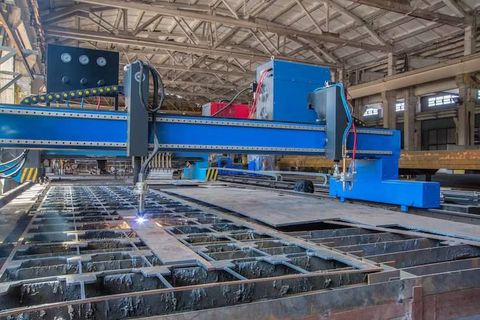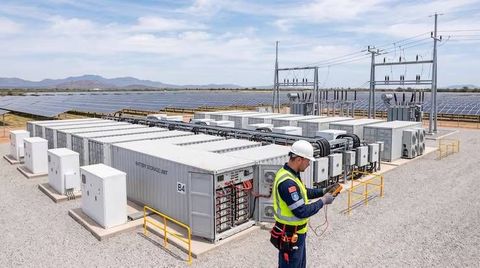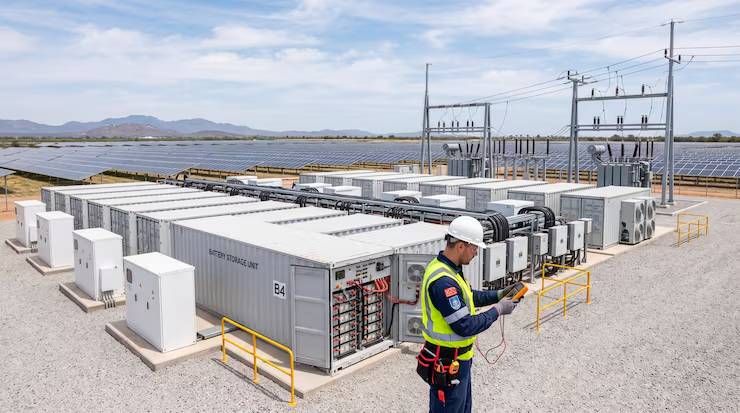
Large facilities depend on electrical power for far more than basic lighting. Manufacturing plants, hospitals, warehouses, data centers, processing facilities, and large commercial buildings may have critical systems that must continue operating when utility power becomes unstable or unavailable. Commercial industrial generators provide a dedicated source of backup or standby electricity for these environments.
Selecting an appropriate generator requires more than looking at a kilowatt rating. Facility operators need to understand connected loads, starting requirements, operating priorities, voltage characteristics, transfer equipment, fuel arrangements, and future expansion. A generator that appears sufficiently large on paper may perform poorly if its real electrical load profile has not been evaluated.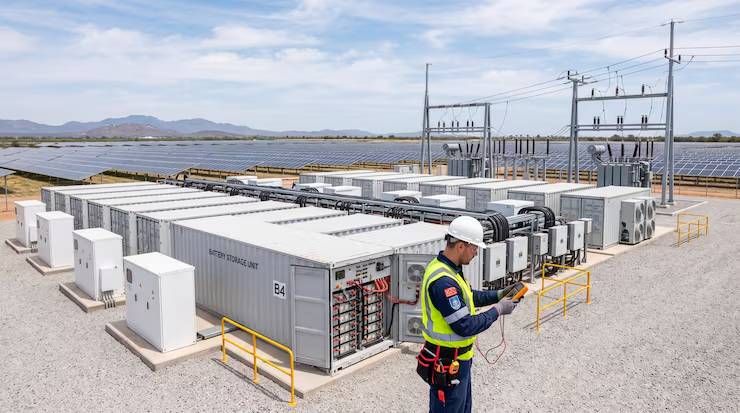
Understanding power requirements therefore begins with the facility rather than the generator itself. The electrical demand of each major system, how those systems operate together, and which loads require immediate backup all influence the overall generator configuration.
Start With the Facility's Actual Electrical Load
The first step in generator planning is establishing how much electricity the facility actually needs during an outage. This requires more than adding the nameplate ratings of every electrical device because many systems operate intermittently or at different loads.
A facility may contain motors, pumps, compressors, HVAC equipment, lighting systems, elevators, production machinery, refrigeration equipment, servers, security systems, and control equipment. Their combined demand can vary substantially throughout the operating day.
A professional load assessment typically considers:
- Continuous electrical loads
- Intermittent equipment
- Motor-driven equipment
- Emergency and life-safety systems
- Equipment with high starting demand
- Loads that can be temporarily disconnected
- Future electrical expansion
The result is a clearer picture of the facility's actual operating requirement rather than simply its theoretical maximum.
Understand kW, kVA, and Power Factor
Generator capacity is commonly discussed using kilowatts (kW) and kilovolt-amperes (kVA). These measurements are related but represent different characteristics of an electrical system.
Kilowatts represent real electrical power used by equipment to perform useful work. kVA represents apparent power, which combines real power with reactive components in an alternating-current system.
Power factor describes the relationship between these values. A simplified relationship is:
kW = kVA × Power Factor
For example, a facility operating at a power factor of 0.8 would require approximately 800 kW of real power from a 1,000 kVA electrical capacity.
Industrial facilities frequently have motors, transformers, variable-frequency drives, and other equipment that can influence power factor. Consequently, generator selection should account for the actual characteristics of the connected electrical system rather than relying on kW alone.
Motor Starting Can Change Generator Requirements
One of the most frequently overlooked issues in generator sizing is motor starting.
Large motors can draw substantially more current during startup than during normal operation. Equipment such as compressors, pumps, fans, chillers, and industrial machinery can therefore create a temporary electrical demand that is considerably higher than their normal running load.
If a generator cannot respond adequately to this demand, the facility may experience voltage or frequency disturbances. In severe situations, the motor may fail to start or other connected equipment may be affected.
Generator planning should therefore consider:
- Motor horsepower
- Starting method
- Locked-rotor current
- Starting sequence
- Motor acceleration time
- Other loads operating simultaneously
Starting methods such as soft starters and variable-frequency drives can reduce starting stress in certain applications. Load sequencing can also prevent several large motors from starting at exactly the same time.
Separate Critical Loads From Noncritical Loads
Large facilities do not always need to operate every electrical system during an outage. A more practical approach is often to classify loads according to operational importance.
Critical systems may include emergency lighting, fire protection equipment, medical systems, communication infrastructure, security systems, refrigeration, data-processing equipment, or essential production machinery.
Other systems may be temporarily disconnected or restarted later.
This distinction is particularly useful because generator capacity can be planned around the facility's required emergency operating condition rather than attempting to support every connected load simultaneously.
Automatic transfer equipment can help manage this transition. When utility power fails, the transfer system detects the interruption and moves designated electrical loads to the generator supply. When normal utility power returns, the system can transfer those loads back according to the configured sequence.
Voltage and Phase Configuration Matter
Generator capacity is only one part of electrical compatibility. The generator must also match the facility's electrical characteristics.
Important considerations include voltage, frequency, phase configuration, grounding arrangements, and distribution architecture. A large industrial facility may have several voltage levels serving different equipment, which can make the distribution design more complex.
Three-phase electrical systems are common in industrial environments because they efficiently support large motors and other substantial loads. However, the generator and associated switchgear must be designed around the actual electrical distribution system.
Transformers may be required when the generator output voltage differs from the voltage required by particular loads. Protection equipment must also coordinate properly with the facility's electrical distribution equipment.
Generator Rating Depends on How It Will Be Used
Industrial generators can be configured for different operating purposes, and their ratings should correspond to the intended duty.
A standby application generally involves supplying electrical power when the normal utility source becomes unavailable. Prime-power applications can involve more continuous operation, while other classifications address specific operating patterns.
The distinction matters because generator engines, alternators, cooling systems, and other components are designed around particular duty cycles.
A facility expecting frequent or extended generator operation should not assume that a standby-oriented configuration automatically meets its operational requirements. The expected load profile and operating schedule should be established before selecting equipment.
Fuel and Runtime Become Operational Considerations
Electrical capacity is only useful while the generator can continue operating. Fuel storage and consumption therefore become important parts of facility planning.
Diesel generators are widely used in industrial applications because diesel systems can provide substantial power output and are suited to standby and prime-power applications. Natural-gas configurations are also used in some facilities where appropriate fuel infrastructure is available.
Runtime depends on several factors, including generator capacity, actual load, engine efficiency, fuel storage, and operating conditions.
A generator operating at partial load does not necessarily consume fuel in direct proportion to its rated capacity. Long periods of very light loading can also create operational concerns for some diesel engines, making load management an important consideration in system design.
Environmental Conditions Affect Performance
A generator rated for a particular output under standard conditions may not deliver identical performance under every installation environment.
Temperature, altitude, ventilation, humidity, and enclosure configuration can affect engine and alternator performance. High ambient temperatures and elevated installation locations can be particularly relevant when determining available engine output.
The installation also needs sufficient airflow for combustion and cooling. Exhaust gases must be safely managed, while the generator room or enclosure needs appropriate access for inspection and maintenance.
These physical requirements should be considered during the initial facility design rather than treated as secondary installation details.
Synchronization and Multiple Generator Systems
Very large facilities may require more electrical capacity than a single generator can practically provide. In these situations, multiple generator sets can operate together through a synchronized system.
Paralleling allows generator sets to share electrical load. Depending on the design, individual units can start or stop according to facility demand, providing operational flexibility and redundancy.
For example, a facility might use several generator sets rather than relying on one very large unit. This arrangement can provide greater flexibility when electrical demand changes and may allow maintenance activities to occur without removing the entire generation system from operation.
However, synchronized systems require sophisticated controls, switchgear, protection, and load-sharing arrangements. The electrical design must account for fault conditions, synchronization, frequency control, and system stability.
Planning for Future Electrical Demand
Generator selection should not focus exclusively on today's electrical load.
Industrial facilities often add production equipment, charging infrastructure, refrigeration systems, automation equipment, data-processing hardware, or additional HVAC capacity over time. A generator system designed without considering future demand may eventually become restrictive.
At the same time, simply selecting an excessively large generator is not automatically beneficial. Generator performance can be affected by prolonged low-load operation, and oversized equipment may not operate within its most appropriate loading range.
A better planning process establishes the present load, identifies realistic expansion requirements, and evaluates how the generator will perform across the expected operating range.
Testing and Maintenance Keep Backup Power Ready
A generator that starts successfully during installation still needs regular maintenance and testing throughout its operational life.
Routine checks can include engine condition, battery systems, coolant, lubrication, fuel quality, electrical connections, control systems, exhaust components, and automatic transfer equipment.
Load testing is particularly valuable because starting the engine without applying meaningful electrical demand does not demonstrate the complete performance of the facility's backup-power system.
Testing should also verify that the generator, transfer equipment, distribution system, alarms, and critical loads work together as intended.
Frequently Asked Questions
How is generator capacity determined for a large facility?
Capacity is determined by evaluating the facility's electrical loads, including running demand, motor-starting requirements, critical systems, power factor, operating conditions, and expected future expansion.
Why can motor starting affect generator sizing?
Large motors can draw significantly more current during startup than during normal operation. The generator must be capable of handling these temporary demands without unacceptable voltage or frequency disturbances.
Does every facility need to power all equipment during an outage?
No. Many facilities prioritize critical loads and disconnect nonessential equipment. This approach can reduce the required generator capacity and simplify emergency power management.
Why are multiple generators sometimes used?
Multiple generator sets can provide additional capacity, load-sharing capability, operational flexibility, and redundancy. They are particularly relevant to facilities with large or changing electrical demand.
What should be considered besides generator size?
Voltage, phase configuration, power factor, fuel system, runtime, environmental conditions, transfer equipment, maintenance access, emissions requirements, and future electrical demand all influence the overall system design.
Conclusion
Commercial industrial generators are part of a larger electrical infrastructure rather than standalone machines. Their effectiveness depends on accurately understanding facility loads, motor-starting requirements, critical circuits, electrical characteristics, environmental conditions, and expected operating patterns.
For large facilities, proper generator planning begins with a detailed load assessment and continues through distribution design, transfer equipment, fuel planning, commissioning, testing, and maintenance. When these elements are considered together, the resulting power system can provide dependable electrical continuity while remaining appropriately matched to the facility's operational requirements.