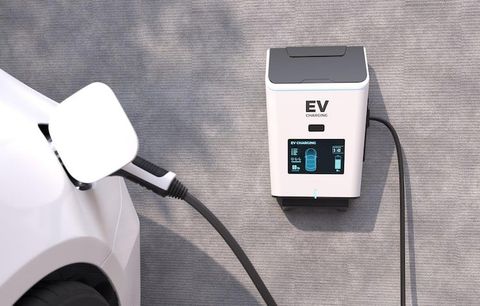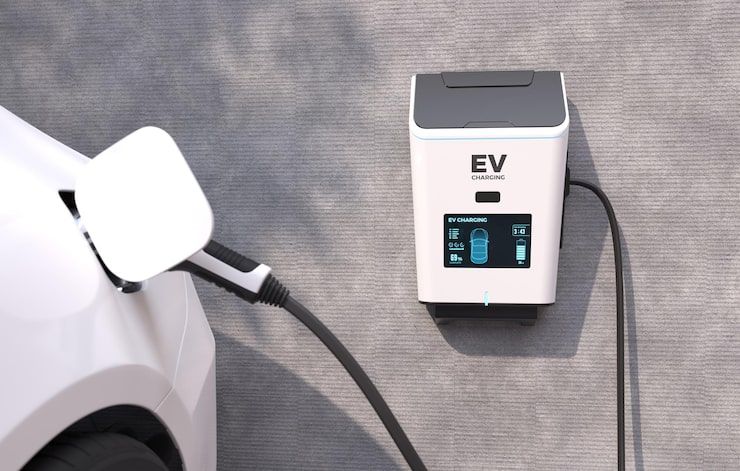
Electric vehicles are becoming an important part of modern transportation, and convenient charging is one of the key factors that makes EV ownership practical. While public charging networks can provide access when travelling, having a suitable charging setup at home, an apartment, workplace, or other regular destination can make everyday charging easier to manage.
An EV charger setup is more than simply connecting a charging cable to an electrical outlet. The right arrangement depends on the vehicle, charger type, available electrical capacity, installation location, safety requirements, and expected charging routine. Understanding these factors can help EV owners make informed decisions and avoid common installation problems.
Understanding EV Charger Types
EV charging equipment is generally grouped into three levels based on charging speed and electrical requirements.
Level 1 charging typically uses a standard household electrical outlet. It requires relatively little installation work and can be useful for drivers with low daily mileage or vehicles that remain parked for long periods. However, charging is comparatively slow, so it may not be suitable for drivers who need to replenish a large amount of battery capacity regularly.
Level 2 charging uses a higher-capacity electrical connection and is considerably faster than basic household charging. It is commonly considered for residential garages, workplaces, apartment parking areas, and other locations where vehicles remain parked for several hours. Level 2 equipment may require dedicated electrical circuits and professional installation.
DC fast charging is designed for much faster battery replenishment and is generally associated with commercial charging stations, highway locations, and larger charging facilities. These systems have substantially different electrical and infrastructure requirements from residential chargers.
The appropriate charging level depends on driving habits, vehicle specifications, parking duration, and the electrical infrastructure available at the installation location.
Checking Your EV and Charging Requirements
Before planning an EV charger setup, check the vehicle manufacturer's charging specifications. Different EVs can have different maximum AC charging rates, connector types, battery capacities, and charging capabilities.
The charger itself may support a higher charging capacity than the vehicle can accept. In such circumstances, installing a more powerful charger does not necessarily mean the vehicle will charge faster than its onboard charging system permits.
Daily driving distance is another important consideration. Someone who drives a short distance each day and parks overnight may have very different charging requirements from someone who regularly travels long distances.
It is also useful to consider when the vehicle is normally parked. If the EV remains at home for eight to ten hours overnight, a moderate charging setup may provide sufficient energy for the next day's driving without requiring extremely high charging power.
Evaluating the Electrical System
Electrical capacity is one of the most important parts of an EV charger installation. A charger can place a significant additional load on a property's electrical system, particularly when operating for several hours.
An electrician can assess the existing electrical panel, available capacity, wiring, circuit protection, grounding, and the proposed charging location. The assessment can determine whether the existing system can accommodate the charger or whether electrical upgrades may be necessary.
The distance between the electrical panel and charging point also matters. Longer cable runs can affect installation requirements and may influence how the circuit is designed.
For safety, EV charging equipment should be connected using appropriately rated electrical components and protection devices. Improvised extensions, unsuitable adapters, overloaded outlets, or damaged wiring can create unnecessary electrical hazards.
Choosing the Right Charging Location
The physical location of the charger affects both convenience and installation complexity.
For a home setup, a garage or designated parking area is often practical because the vehicle can remain connected while parked. The charger should be positioned where the cable can reach the vehicle without creating a trip hazard or excessive tension.
Outdoor installations require equipment designed for the relevant environmental conditions. Exposure to rain, dust, heat, moisture, and other environmental factors should be considered when selecting the installation location.
The charging point should also remain accessible without interfering with normal vehicle movement, pedestrian pathways, doors, storage areas, or other property functions.
For apartments and shared parking areas, additional considerations may include electrical access, parking allocation, building rules, and responsibility for electricity consumption.
Professional Installation and Electrical Safety
A qualified electrical professional should handle fixed EV charger installations where local regulations and equipment requirements call for professional work. The installation process may involve installing a dedicated circuit, appropriate protective equipment, suitable wiring, grounding, and the charger itself.
Local electrical codes and building requirements can vary by region. Some installations may require permits, inspections, or approval from a property manager or utility provider.
Safety should remain a priority throughout the installation. The charging equipment should be installed according to the manufacturer's instructions and applicable electrical standards.
After installation, the system should be checked to ensure that connections, protection devices, charging controls, and the charger are functioning correctly. If unusual heat, burning smells, repeated electrical interruptions, damaged cables, or error warnings occur, charging should be stopped and the system inspected by a qualified professional.
Smart Features and Charging Management
Modern EV chargers can include features that make charging easier to monitor and manage. Depending on the equipment, users may be able to schedule charging, monitor energy consumption, adjust charging settings, or receive status notifications through a connected application.
Scheduled charging can be useful for people who have predictable parking routines. It may also help coordinate charging with household electricity management strategies where supported.
Some systems can communicate with the vehicle and automatically adjust charging based on the vehicle's settings. However, smart functionality should be viewed as an additional convenience rather than a substitute for correct electrical installation.
EV Charging for Apartments and Workplaces
Homeowners generally have more control over charger installation, but shared properties require additional planning.
Apartment residents may need permission from property management or a homeowners' association before installing charging equipment. The electrical infrastructure may also serve multiple units, meaning available capacity needs to be evaluated carefully.
Workplaces face similar considerations. A charging area may need to accommodate several vehicles, different charging requirements, employee access, parking policies, and electrical load management.
For multiple chargers, load management can help coordinate electricity demand so that the combined charging load remains within the capacity of the electrical system.
Maintaining an EV Charger
Regular maintenance helps keep charging equipment reliable. Users should periodically inspect the cable, connector, housing, and visible electrical components for damage or unusual wear.
The charging connector should be kept clean and protected from unnecessary moisture or physical impact. Equipment should be used according to its operating instructions rather than modified with unauthorized components.
Software-connected chargers may also receive firmware updates. Keeping supported equipment updated can help maintain compatibility and functionality.
If a charger repeatedly stops charging, displays persistent error messages, becomes unusually hot, or shows visible damage, it should not be treated as a normal operating condition.
Common EV Charger Setup Mistakes
Several avoidable mistakes can complicate EV charging. Choosing equipment without checking the vehicle's charging capability can lead to unrealistic expectations about charging speed. Installing a charger without evaluating electrical capacity can create unnecessary infrastructure problems.
Another common issue is selecting a charging location based only on convenience without considering cable reach, weather exposure, vehicle positioning, or pedestrian safety.
Some users may also focus entirely on charging speed. Faster charging is not automatically necessary for every driver. A suitable setup should match the vehicle, driving pattern, parking duration, and electrical infrastructure.
Final Thoughts
A successful EV charger setup combines the right equipment, suitable electrical capacity, safe installation, and a practical charging routine. The most appropriate solution depends on how the vehicle is used and where it is normally parked.
Before installation, review the EV manufacturer's charging specifications, assess the property's electrical system, determine the best charging location, and check applicable local requirements. Professional electrical assessment can be particularly important when installing higher-capacity equipment or adding a dedicated circuit.
With careful planning, EV charging can become a straightforward part of an everyday driving routine while supporting safe and efficient use of the vehicle's battery system.