Rotary die cutting systems play an important role in modern packaging manufacturing by converting materials into precise shapes at high production speeds. These systems are commonly used to manufacture labels, cartons, flexible packaging components, protective inserts, adhesive products, and other packaging materials that require consistent dimensions.
As packaging requirements become more diverse, manufacturers need equipment that can produce repeatable shapes while handling different materials and production volumes. Rotary die cutting addresses these needs by using a rotating cutting tool to process a continuous web or sheet of material.
Unlike many manual cutting methods, rotary die cutting can integrate with printing, laminating, slitting, and material-handling equipment. This integration allows several production stages to operate as part of a coordinated process.
Understanding rotary die cutting systems involves learning how the technology works, which materials it can process, where it is used, and what factors influence cutting quality, production efficiency, and equipment selection.
What Is a Rotary Die Cutting System?
A rotary die cutting system is an industrial machine that cuts, scores, perforates, or shapes materials using a cylindrical or rotating die. The material passes through the cutting section, where the die applies pressure in a defined pattern to create the required shape.
The process is commonly used for materials supplied in continuous rolls, although suitable systems can also process other material formats. Depending on the machine configuration, rotary die cutting may create individual labels, packaging blanks, openings, tabs, folds, or custom-shaped components.
The cutting tool is manufactured with a specific pattern that determines the final shape of the product. Because the tool rotates during operation, the system can process successive sections of material without requiring a separate manual cutting action for every piece.
Rotary die cutting is particularly useful when a packaging design must be reproduced consistently across large production runs. However, the achievable accuracy and output depend on factors such as die quality, material properties, machine settings, and process control.
How Rotary Die Cutting Works
The rotary die cutting process begins with feeding material into the machine. The material may be paperboard, label stock, film, foam, adhesive laminate, or another compatible substrate.
A controlled feeding system guides the material toward the cutting station. Web tension and alignment must remain stable to prevent wrinkles, stretching, or lateral movement that could affect the finished product.
At the cutting station, the rotating die engages with the material against a suitable anvil or supporting surface. The die applies the required cutting force to create the intended shape. Some operations cut completely through the material, while others use partial-depth cutting or scoring.
After cutting, the material may pass through additional processing stages. These can include waste removal, slitting, laminating, printing, inspection, and rewinding. In label production, for example, the unwanted surrounding material may be removed while the finished labels remain attached to a release liner.
The processed material is then collected in the format required for the next manufacturing stage.
Successful operation depends on coordinating feed speed, die rotation, pressure, material tension, and cutting depth. If these settings are unsuitable, the result may include incomplete cuts, damaged backing material, inconsistent shapes, or excessive waste.
Main Components of a Rotary Die Cutting Machine
Rotary Die and Cutting Tools
The rotary die is the central component responsible for producing the required pattern. Its geometry, cutting-edge condition, and manufacturing quality influence the shape and consistency of the finished product.
Different dies are designed for specific materials and applications. The correct tool must be compatible with the substrate, desired cutting depth, and machine configuration.
Material Feeding System
The feeding system transports the substrate through the machine at a controlled rate. Depending on the equipment, it may include unwind stands, guide rollers, tension controls, and web alignment mechanisms.
Consistent material feeding helps maintain registration between printed designs and cutting patterns. It also reduces defects associated with wrinkles, uneven tension, or material drift.
Anvil and Pressure Mechanism
The anvil provides the supporting surface against which the die cuts. The interaction between the die and anvil must be controlled to achieve the required cutting depth without unnecessary wear or substrate damage.
Pressure settings vary according to the material, tooling design, and machine specifications. Excessive pressure may accelerate tool wear, while insufficient pressure can leave cuts incomplete.
Drive and Control System
The drive system rotates the cutting tool and coordinates material movement. Modern equipment may use electronic controls, sensors, and automated adjustments to maintain operating conditions.
Operators can use these controls to establish production settings, monitor machine performance, and identify process variations.
Waste Removal and Collection
Many packaging operations generate scrap material that must be separated from the finished product. Waste removal mechanisms help clear unwanted sections without interrupting the production process.
Collection systems then prepare the output for inspection, storage, or further converting operations.
Types of Rotary Die Cutting Systems
Rotary die cutting systems differ according to their tooling, cutting method, material requirements, and production configuration.
Solid rotary die cutting uses a cylindrical tool with a machined cutting pattern. These dies are often selected for established production processes where consistent geometry and repeated output are important.
Flexible rotary die cutting uses a thin, flexible cutting plate mounted around a cylinder. The plate contains the cutting pattern and can be suitable for applications where tooling flexibility and relatively straightforward pattern changes are useful.
Rotary kiss cutting cuts through an upper material layer while leaving the backing or release liner intact. It is widely used for adhesive labels, stickers, and related products that need to remain attached to a liner until application.
Rotary perforating and scoring creates controlled openings or partial-depth lines rather than fully separating the material. These processes are useful for tear strips, folding features, opening mechanisms, and other functional packaging details.
The appropriate system depends on material thickness, design complexity, required accuracy, expected production volume, and the frequency of design changes.
Applications of Rotary Die Cutting in Packaging
Rotary die cutting supports many packaging formats across food, consumer goods, healthcare, electronics, and industrial manufacturing.
In label production, it creates consistent label shapes for bottles, containers, cartons, and product identification. Kiss cutting is especially useful when labels need to be separated from surrounding waste while remaining on a release liner.
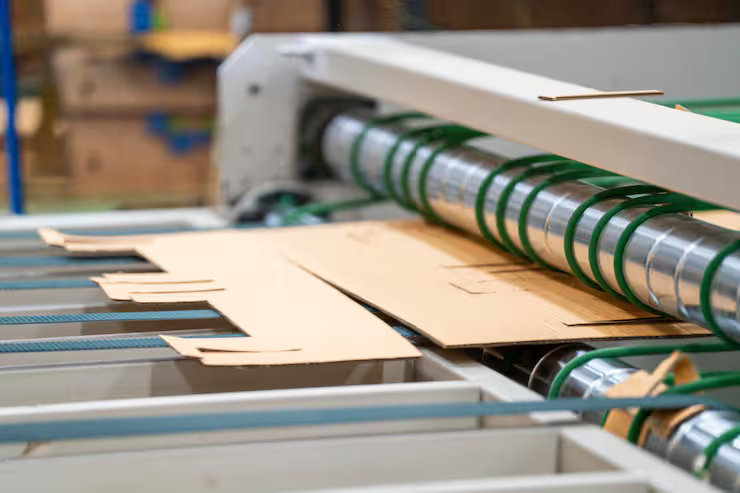
In carton and paperboard converting, rotary cutting and scoring can produce packaging blanks with defined outlines and fold lines. These features help the material form a box or other package during later assembly.
Flexible packaging manufacturers may use rotary die cutting to create openings, shaped components, perforations, and functional features in compatible films and laminates. The process must be matched carefully to the structure of the material to avoid damaging barrier layers or weakening the package.
Protective packaging is another application. Foam, cushioning materials, and selected flexible substrates can be cut into custom shapes that hold products in place during storage and transportation.
Rotary die cutting is also used for adhesive tapes, seals, gaskets, and packaging inserts. These components may require precise dimensions to provide suitable adhesion, fit, cushioning, or protection.
Benefits of Rotary Die Cutting Systems
One of the main benefits of rotary die cutting is its suitability for continuous production. The rotating tool can process successive sections of material, making the technology useful for high-volume converting operations.
Repeatability is another advantage. Once the tooling and operating parameters are properly established, the system can produce consistent shapes across a production run. This helps manufacturers maintain packaging dimensions and reduce variation between batches.
Rotary die cutting can also integrate with other converting processes. Combining cutting with printing, laminating, slitting, or rewinding can reduce separate handling stages and support a more organized workflow.
Material efficiency may improve when cutting patterns are designed to use the available substrate effectively. However, actual waste levels depend on layout, product geometry, setup accuracy, and the need for quality checks.
The technology also supports a wide range of packaging designs. Different dies and machine configurations can produce straight edges, curves, openings, perforations, and other defined features.
These benefits are not automatic. Equipment suitability, tooling condition, maintenance practices, and operator knowledge all influence the final result.
Factors to Consider When Selecting a Rotary Die Cutting System
Manufacturers should begin by identifying the materials they need to process. Paper, paperboard, films, foams, and adhesive laminates have different mechanical properties and cutting requirements.
The required product dimensions and tolerances are equally important. Packaging with detailed shapes or close registration requirements may need more advanced controls and careful tooling design.
Production volume should also guide equipment selection. A system intended for frequent, large production runs may differ from one designed for shorter runs and regular design changes.
Integration is another consideration. Buyers should evaluate whether the machine can connect with existing printing, laminating, slitting, inspection, and material-handling equipment.
Tooling requirements, changeover procedures, operator training, maintenance access, and spare-part availability also affect long-term suitability. Reviewing these factors helps organizations understand the complete operating requirements rather than focusing only on the cutting mechanism.
Maintenance and Quality Control
Regular maintenance helps keep rotary die cutting systems operating consistently. Inspection routines should cover cutting edges, anvil surfaces, bearings, rollers, drive components, sensors, and material-guiding mechanisms.
Cutting tools should be checked for wear or damage because deteriorated edges can cause incomplete cuts, rough edges, and increased scrap. Cleaning procedures should be appropriate for the material and equipment, particularly when adhesive residues accumulate.
Quality control should examine dimensions, cutting depth, shape consistency, registration, and the condition of any release liner or supporting layer. Sampling during production can help identify changes before they affect a large quantity of material.
Operators should also monitor material tension, feed alignment, and machine settings. Equipment adjustments and maintenance must follow the manufacturer's instructions, with appropriate isolation procedures used before work on hazardous moving or powered components.
Conclusion
Rotary die cutting systems are an important part of modern packaging production because they provide a controlled method for cutting, scoring, perforating, and shaping a wide range of compatible materials.
Their applications include labels, cartons, flexible packaging components, protective inserts, adhesive products, and specialized packaging features. The technology can support repeatable output and continuous production when the tooling, material handling, and operating conditions are properly matched.
Selecting an appropriate system requires careful consideration of substrate properties, cutting accuracy, production volume, tooling design, and integration with other equipment. Routine maintenance and consistent quality checks further help maintain performance and reduce avoidable waste.
By understanding how rotary die cutting works and where it is most suitable, packaging manufacturers can make better-informed decisions about equipment, production processes, and product requirements.