Welding equipment plays an important role in joining metals used in construction, manufacturing, automotive work, infrastructure, and maintenance.
Different welding processes require specific machines, power sources, electrodes, torches, cables, protective equipment, and supporting tools.
Understanding welding equipment helps beginners and experienced workers recognize how different tools function, where they are used, and which safety practices apply. This guide explains the basics of welding tools, common techniques, recent developments, workplace rules, and useful resources.

Context
Welding is a process used to join materials, most commonly metals, by applying heat, pressure, or a combination of both. Some welding methods melt the base materials and create a joint as they cool, while others use pressure or controlled heat without completely melting the materials.
Modern welding equipment has developed from relatively simple manually controlled systems into machines with electronic controls, sensors, digital displays, and automated functions. The equipment selected depends on the material, thickness, joint design, welding position, production requirements, and selected welding process.
Common welding processes include:
| Welding Process | Common Equipment | Typical Applications |
|---|---|---|
| MIG/GMAW | Power source, wire feeder, torch | Fabrication, automotive work |
| TIG/GTAW | TIG power source, torch, tungsten electrode | Precise metal joining |
| Stick/SMAW | Welding power source, electrode holder | Construction and outdoor work |
| Flux-Cored/FCAW | Power source, wire feeder, torch | Structural and industrial work |
| Gas Welding | Torch, regulators, gas cylinders | Heating, cutting, and joining |
| Resistance Welding | Electrodes and resistance machine | Sheet-metal production |
A basic welding setup normally includes a power source, welding leads, electrode or filler material, work clamp, torch or electrode holder, and suitable personal protective equipment.
The welding power source controls the electrical characteristics needed for the selected process. Wire feeders are commonly associated with MIG and flux-cored welding, while TIG systems use a torch and tungsten electrode.
Importance
Welding equipment matters because the quality and safety of a welded joint depend partly on using equipment that matches the material and welding method. Incorrect settings, unsuitable electrodes, damaged cables, or inadequate protective equipment can create weak joints and workplace hazards.
Welding is used across many fields, including:
- Structural steel fabrication
- Automotive manufacturing and repair
- Shipbuilding and marine construction
- Pipeline and infrastructure work
- Agricultural machinery
- Industrial equipment manufacturing
- General metal fabrication
Welding equipment also affects productivity and consistency. Manual welding requires operator skill and attention, while mechanized and robotic systems can maintain controlled movement and repeatable parameters.
For beginners, understanding equipment terminology is particularly useful. Terms such as amperage, voltage, duty cycle, polarity, shielding gas, electrode diameter, wire-feed speed, and arc length describe important operating characteristics.
Safety is equally important. Welding can generate intense light, heat, fumes, sparks, electrical hazards, and fire risks. Appropriate protective clothing, eye protection, ventilation, and equipment inspection should therefore be part of every welding activity.
Recent Updates
Recent welding equipment developments have focused on digital controls, automation, energy efficiency, monitoring, and improved process consistency. Modern inverter-based welding machines can provide compact designs and electronic control of welding parameters.
Digital interfaces are increasingly common. Depending on the equipment, operators may be able to adjust parameters through digital displays and save commonly used settings. Some systems also monitor electrical characteristics and provide information about operating conditions.
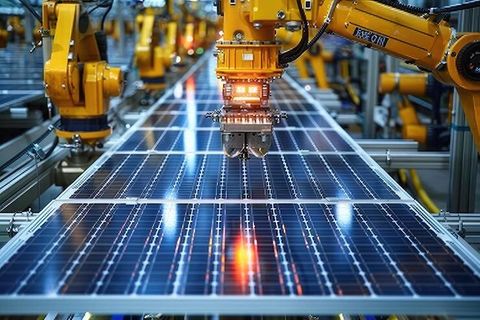
Automation is another significant development. Robotic welding systems can perform repetitive welding operations with programmed movements. These systems are commonly used where repeatability, controlled positioning, and high-volume production are important.
Artificial intelligence and sensor-based technologies are also being explored for welding monitoring and quality control. Cameras, sensors, and data systems can help identify variations in welding conditions and support inspection processes.
Other developments include:
- Improved inverter power sources
- Automated wire-feeding systems
- Digital welding parameter controls
- Robotic welding cells
- Advanced fume extraction systems
- Remote equipment monitoring
- Data collection for welding quality analysis
These developments do not eliminate the need for trained operators. Welding procedures, material preparation, equipment setup, inspection, and safety controls remain essential.
Laws or Policies
Welding activities are subject to workplace safety requirements that vary by country and industry. In the United States, organizations such as the Occupational Safety and Health Administration establish workplace requirements concerning welding, cutting, and related operations. Employers must address hazards such as fire, fumes, radiation, compressed gases, and protective equipment.
In India, workplace safety requirements can depend on the type of establishment, industry, equipment, and applicable central or state regulations. Industrial workplaces may need to follow requirements under occupational safety legislation, environmental rules, fire-safety provisions, and applicable standards.
International welding work may also reference standards developed by organizations such as the International Organization for Standardization and the American Welding Society. Welding procedures and qualifications can be particularly important for structural, pressure-related, pipeline, and other regulated applications.
Important safety practices generally include:
- Inspecting welding machines and electrical connections before use
- Maintaining appropriate ventilation
- Keeping combustible materials away from sparks and heat
- Using suitable eye and face protection
- Handling gas cylinders according to applicable requirements
- Following manufacturer instructions
- Maintaining appropriate fire-prevention controls
Specific legal requirements should always be checked against the regulations applicable to the workplace, location, material, and type of welding activity.
Tools and Resources
Several technical resources can help people learn about welding equipment and procedures. Manufacturer manuals are useful for understanding machine controls, electrical requirements, duty cycles, compatible accessories, and maintenance instructions.
Professional organizations and standards bodies also publish technical information about welding processes, safety, inspection, qualification, and terminology.
Useful resources include:
- Occupational safety regulators for workplace requirements
- National standards organizations for applicable technical standards
- American Welding Society publications and educational materials
- International Organization for Standardization standards
- Equipment manuals and technical datasheets
- Welding procedure specifications
- Metal and filler-material reference charts
- Welding calculators for basic parameter planning
A welding calculator may help with unit conversions, electrical relationships, material measurements, or basic parameter references. However, calculated values should not replace an approved welding procedure or qualified technical guidance where formal requirements apply.
Equipment documentation should also be retained where appropriate. Records can include machine specifications, inspection information, electrode or wire details, welding procedures, and maintenance records.
FAQs
What is welding equipment?
Welding equipment refers to machines, tools, accessories, and protective equipment used to perform welding operations. It can include power sources, torches, electrode holders, wire feeders, cables, work clamps, shielding-gas equipment, and protective gear.
Which welding equipment is commonly used by beginners?
MIG welding equipment is often considered approachable for beginners because the wire-feed system continuously supplies filler material. However, the appropriate equipment depends on the material, application, training, and workplace requirements.
What safety equipment is needed for welding?
Common protective equipment includes a suitable welding helmet, protective clothing, gloves, safety footwear, and hearing or respiratory protection when appropriate. Adequate ventilation and fire-prevention measures are also important.
What is the difference between MIG and TIG welding equipment?
MIG welding generally uses a continuously fed wire electrode and shielding gas. TIG welding uses a non-consumable tungsten electrode and can provide precise control, with filler material added separately when required.
How should welding equipment be maintained?
Maintenance should follow the equipment manufacturer's instructions. Regular checks can include cables, connections, cooling systems, torches, electrode holders, gas hoses, regulators, and ventilation components. Damaged equipment should be removed from use until appropriately evaluated or repaired.
Conclusion
Welding equipment includes a broad range of machines and tools designed for different welding processes, materials, and working conditions. Understanding equipment functions, welding techniques, safety practices, and applicable regulations helps users make informed technical decisions.
Modern systems increasingly combine electronic controls, automation, sensors, and data monitoring with established welding principles. Despite these technological developments, proper preparation, operator training, equipment inspection, and compliance with relevant safety requirements remain fundamental.
For anyone learning about welding, starting with the major welding processes and their equipment provides a useful foundation. Technical manuals, recognized standards, safety authorities, and educational resources can then help develop more detailed knowledge.
Welding technology continues to evolve, but its basic purpose remains consistent: creating reliable joints while controlling heat, materials, equipment settings, and workplace hazards.