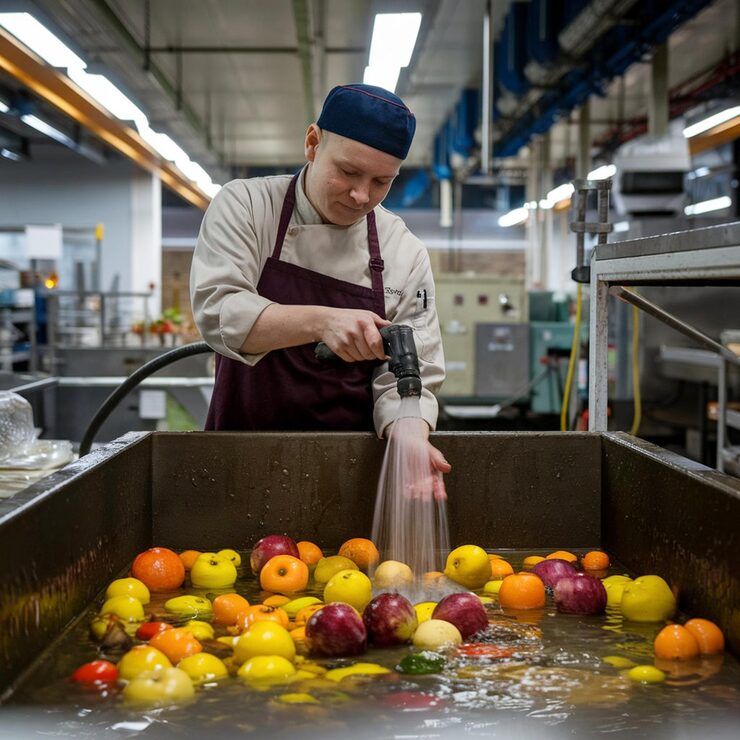
Fruit washing machines have become an essential part of modern food processing, commercial kitchens, farms, and packaging facilities. As food safety standards continue to improve across the world, properly cleaning fruits before packaging, processing, or consumption has become more important than ever. These machines are designed to remove dirt, dust, pesticide residues, wax coatings, leaves, and other unwanted particles from the surface of fruits without damaging their quality.
Unlike manual washing, fruit washing machines provide a faster, more consistent, and hygienic cleaning process. They use water, air bubbles, brushes, sprays, or a combination of cleaning methods to wash different kinds of fruits efficiently. Whether the fruits are delicate berries or larger fruits such as apples and oranges, modern machines are designed to handle them carefully while maintaining freshness.
This guide explains what fruit washing machines are, how they work, their types, benefits, applications, maintenance practices, and the latest developments shaping the fruit processing industry in 2026.
Understanding Fruit Washing Machines and Their Purpose
A fruit washing machine is specialized equipment used to clean fresh fruits before they are packed, processed, frozen, or sold. The primary goal is to remove contaminants while preserving the fruit's natural appearance, texture, and nutritional quality.
Fresh fruits often carry soil particles, insects, agricultural chemicals, microorganisms, and transportation-related dust. Washing machines automate the cleaning process, ensuring that fruits receive uniform washing with minimal handling by workers. This improves food hygiene while reducing labor requirements.
Different industries use fruit washing machines depending on their production scale. Small fruit farms may use compact washing units, while large food processing plants rely on continuous conveyor-based systems capable of cleaning thousands of kilograms of fruit every hour.
The growing focus on food safety regulations, export quality standards, and consumer awareness has increased the demand for automated fruit cleaning systems worldwide.
Why Fruit Washing Machines Are Important Today
The importance of fruit washing machines extends beyond simple cleaning. They play a significant role in maintaining food quality, reducing contamination risks, and improving operational efficiency across the food supply chain.
Consumers increasingly expect fresh fruits to be clean, visually appealing, and safe to eat. Commercial fruit suppliers and food processors must meet strict hygiene standards before products reach supermarkets or export markets. Automated washing systems help maintain these standards consistently.
Fruit washing machines also help reduce product waste. Gentle cleaning techniques minimize bruising and physical damage, allowing fruits to maintain their shelf life and appearance during storage and transportation.
In large-scale operations, manual washing may produce inconsistent results because cleaning quality depends on workers and available time. Automated systems create repeatable cleaning cycles, making the overall process more reliable.
As water conservation becomes a priority, many modern fruit washing machines also include water filtration and recycling features that reduce overall water consumption during production.
How Fruit Washing Machines Work
Fruit washing machines use a sequence of cleaning stages to remove impurities while protecting delicate fruit surfaces. Although designs vary between manufacturers, most machines follow a similar operational process.
The process begins with fruits entering the washing chamber through a conveyor or loading tank. Water sprays or immersion tanks loosen dirt and debris attached to the fruit surface.
Air bubble systems create gentle turbulence inside the water tank. These bubbles lift lightweight contaminants without causing mechanical damage to soft fruits.
Brush rollers rotate beneath or around the fruit to remove stubborn dirt, wax, or residues from fruits with thicker skins such as apples, pears, potatoes, or citrus fruits.
High-pressure spray nozzles provide a final rinse using clean water before fruits move toward draining or drying sections.
Many industrial systems include filtration units that continuously remove dirt and organic particles from the wash water, allowing cleaner water to circulate throughout the washing cycle.
The complete washing process is designed to clean fruits efficiently while preserving their freshness and natural quality.
Types of Fruit Washing Machines
Fruit washing machines are available in different designs to suit various fruit types, production capacities, and processing environments.
Bubble Fruit Washing Machines
Bubble washing machines use streams of compressed air to generate bubbles inside a water tank. The bubbles gently move fruits while removing dirt and floating impurities.
This design is commonly used for delicate fruits because it reduces physical impact during washing.
Brush Roller Fruit Washing Machines
Brush roller machines use soft rotating brushes combined with water sprays to scrub fruit surfaces gently. They are suitable for apples, oranges, lemons, pears, mangoes, and similar fruits with stronger skins.
These machines are widely used in fruit packaging and grading facilities.
Spray Fruit Washing Machines
Spray washing machines clean fruits using multiple water nozzles positioned around conveyor belts. The high-pressure spray removes dust and surface contaminants without fully immersing the fruit in water.
Spray systems are often used before sorting and inspection.
Conveyor Fruit Washing Machines
Conveyor washing systems automate the movement of fruits through multiple washing stages. Fruits enter one end of the machine and exit clean, drained, and ready for drying or packaging.
These machines are suitable for continuous commercial production.
Ultrasonic Fruit Washing Machines
Ultrasonic washing machines use sound wave technology to create microscopic cleaning bubbles in water. These bubbles help remove fine particles and residues from fruit surfaces while minimizing damage.
Ultrasonic systems are increasingly used in premium food processing applications where gentle cleaning is required.
Fruits Commonly Cleaned Using Washing Machines
Fruit washing machines can clean a wide variety of fruits while adjusting washing intensity according to fruit size and sensitivity.
Common fruits processed include apples, oranges, lemons, limes, pears, peaches, plums, grapes, strawberries, blueberries, cherries, mangoes, guavas, pomegranates, kiwis, tomatoes, avocados, and melons.
Machines designed for mixed fruit processing often feature adjustable conveyor speeds, brush pressure, and water flow settings to accommodate different fruit varieties.
Benefits of Using Fruit Washing Machines
Fruit washing machines provide several operational, quality, and food safety advantages that make them valuable across the agricultural and food processing industries.
Automated washing improves cleaning consistency by ensuring every fruit passes through the same washing process. This helps maintain product quality across large batches.
The machines reduce manual handling, which lowers the risk of contamination and improves workplace hygiene.
Gentle washing technologies protect fruit surfaces, helping preserve appearance, freshness, and shelf life.
Many systems improve productivity by processing large volumes of fruit within a short period while reducing labor-intensive cleaning work.
Modern water recycling systems reduce water waste by filtering and reusing wash water where appropriate, supporting more sustainable operations.
Better cleaning also improves the efficiency of downstream processes such as grading, waxing, drying, cutting, freezing, juicing, and packaging.
Applications Across Different Industries
Fruit washing machines serve multiple industries involved in food production, processing, and distribution.
Fresh fruit packaging facilities use washing machines before grading and packing fruits for retail markets.
Juice and beverage manufacturers clean fruits before crushing and extraction to improve product hygiene.
Frozen fruit processing plants wash fruits before slicing, freezing, and packaging.
Hotels, restaurants, and commercial kitchens use compact fruit washing machines for food preparation.
Agricultural cooperatives and fruit exporters use industrial washing systems to meet quality standards required for domestic and international markets.
Food processing companies producing jams, purees, canned fruits, and fruit-based desserts also rely on automated washing equipment during the initial production stage.
Recent Trends in Fruit Washing Technology in 2026
Fruit washing technology continues evolving with greater emphasis on automation, hygiene, sustainability, and digital monitoring.
Manufacturers are introducing smart washing machines equipped with sensors that monitor water quality, flow rate, and washing duration in real time. These systems help operators maintain consistent cleaning performance.
Water-saving technologies have become increasingly common. Advanced filtration and recirculation systems reduce freshwater usage while maintaining hygiene standards.
Touchscreen control panels allow operators to select washing programs based on fruit type, washing intensity, and processing speed.
Ultrasonic and ozone-assisted washing technologies are gaining attention for improving surface cleaning efficiency while reducing the need for chemical cleaning agents in certain applications.
Stainless steel construction remains a major trend because it improves durability, corrosion resistance, and food-grade hygiene compliance.
Automation is also becoming more integrated with fruit grading, drying, and packaging lines, creating continuous processing systems that improve production efficiency.
How to Choose the Right Fruit Washing Machine
Selecting a fruit washing machine depends on production requirements, fruit characteristics, and processing capacity.
The first consideration is the type of fruit being processed. Soft fruits require gentle washing systems, while hard-skinned fruits can tolerate brush-based cleaning.
Production volume determines machine size and conveyor capacity. Small farms may require compact batch washing units, while industrial facilities need continuous conveyor systems.
Water management features are important for facilities aiming to reduce water consumption and operating costs.
Material quality also matters. Food-grade stainless steel helps maintain hygiene while offering long-term durability in wet processing environments.
Ease of cleaning and maintenance is another important factor because food processing equipment requires regular sanitation to maintain hygiene standards.
Finally, compatibility with existing grading, drying, or packaging equipment helps create a smoother production workflow.
Maintenance and Cleaning Best Practices
Proper maintenance helps fruit washing machines deliver consistent cleaning performance and extends equipment life.
Machines should be cleaned thoroughly after daily operation to remove fruit residues, dirt, and organic material from tanks, conveyors, and brushes.
Water filtration systems should be inspected regularly to prevent clogging and maintain clean water circulation.
Brushes, spray nozzles, and air bubble generators require routine inspection to ensure even washing performance.
Moving components such as bearings, conveyor chains, and motors should receive scheduled lubrication according to manufacturer recommendations.
Operators should also monitor water pressure, pump performance, and drainage systems to avoid interruptions during production.
Preventive maintenance reduces downtime and helps maintain food hygiene throughout processing operations.
Common Challenges and Practical Solutions
Fruit washing machines can experience operational challenges if not properly maintained or configured.
Excess dirt accumulation may reduce washing efficiency, making regular cleaning of filters and tanks essential.
Incorrect water pressure or brush settings can damage delicate fruits, so machine settings should match fruit characteristics.
Poor water quality may introduce contaminants back into the washing process, highlighting the importance of filtration and water replacement schedules.
Overloading machines can reduce cleaning effectiveness because fruits need enough space for proper movement during washing.
Routine inspections and operator training help minimize these challenges and improve long-term machine performance.
The Future of Fruit Washing Machines
The future of fruit washing machines is closely connected with automation, sustainability, and food safety innovation. Manufacturers are developing systems that use intelligent sensors, automated quality monitoring, and energy-efficient components to improve cleaning accuracy while reducing operational costs.
Artificial intelligence is beginning to support automated inspection systems that identify contamination, damaged fruits, and washing performance during processing. Digital monitoring allows facilities to track machine efficiency and maintenance requirements more effectively.
Water conservation will remain a major focus as recycling technologies become more advanced. Future systems are expected to use less water while maintaining strict hygiene standards.
As global demand for fresh, packaged, and processed fruits continues to grow, fruit washing machines will play an increasingly important role in ensuring safe, efficient, and high-quality food production.
Conclusion
Fruit washing machines have become an important part of modern fruit handling and food processing because they provide consistent, hygienic, and efficient cleaning for a wide variety of fruits. They help remove dirt, residues, and contaminants while protecting fruit quality and supporting food safety standards.
With technologies ranging from bubble washing and brush rollers to ultrasonic cleaning and automated conveyor systems, these machines are suitable for farms, commercial kitchens, packaging centers, juice manufacturers, and large food processing plants. Recent advancements in water-saving systems, smart controls, and integrated automation continue to improve productivity and sustainability.
Understanding how fruit washing machines work, selecting the appropriate type, and following proper maintenance practices can help businesses and food processors maintain cleaner produce, improve operational efficiency, and meet modern hygiene expectations across the food supply chain.