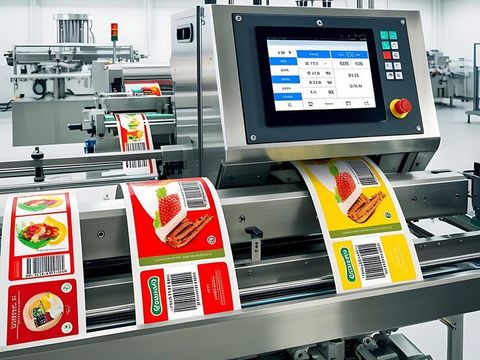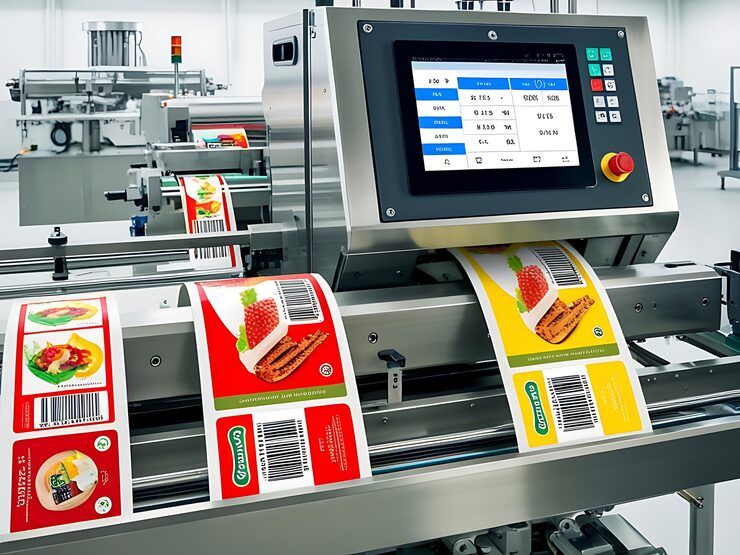
Label printing is an important part of product identification, packaging, shipping, inventory management, and organization. A label can contain simple information such as a product name or barcode, or more detailed content including ingredients, instructions, warnings, tracking information, and brand details.
Choosing the right label involves more than selecting a design and printing it. The printing method, label material, adhesive, printer technology, resolution, and intended environment can all affect the final result. Understanding these factors helps businesses, organizations, and individuals select a suitable approach for their specific requirements.
This guide explains the fundamentals of label printing, the major printing technologies, common materials, important design considerations, and practical factors to evaluate before creating labels.
What Is Label Printing?
Label printing is the process of producing text, graphics, barcodes, symbols, or other information on a label substrate. Labels may be printed individually, in rolls, sheets, or continuous formats depending on the equipment and application.
Modern label printing can support a wide range of uses. Retail products may require decorative packaging labels, while warehouses often need durable barcode or inventory labels. Shipping operations commonly use address and tracking labels, and manufacturing environments may require labels that remain readable under demanding conditions.
The appropriate printing approach depends largely on the purpose of the label and the environment in which it will be used.
Common Label Printing Technologies
Several printing technologies are used for labels, with each offering different characteristics.
Direct Thermal Printing
Direct thermal printing creates an image by applying heat directly to specially treated thermal material. It does not normally require traditional ink cartridges or toner.
This method is commonly used for short-term applications such as receipts, shipping labels, tickets, and temporary identification. Because the printed surface can be affected by heat, sunlight, or prolonged exposure to environmental conditions, direct thermal labels may not be suitable for every application.
Thermal Transfer Printing
Thermal transfer printing uses a heated printhead to transfer ink from a ribbon onto the label surface. This produces labels that can be more resistant to environmental factors than many direct thermal alternatives.
Thermal transfer is widely used for product identification, inventory control, asset tracking, manufacturing, and barcode applications. Different ribbons and label materials can be selected according to durability requirements.
Inkjet Label Printing
Inkjet printers produce images by placing very small droplets of ink onto the label surface. This technology can create detailed graphics and support a broad range of colors.
Inkjet label printing is useful when visual quality, color reproduction, and variable information are important. The type of ink and label surface should be matched carefully because absorption and drying characteristics can affect print quality.
Laser Printing
Laser printing uses toner and heat to create text and graphics. It is often suitable for sheet-based labels and applications that require sharp text and consistent output.
Laser printing can work well for office, administrative, product identification, and small-batch labeling requirements. However, the label stock needs to be compatible with the printer to avoid feeding or printing problems.
Choosing the Right Label Material
The label material has a direct effect on appearance, durability, and application performance.
Paper labels are widely used for general-purpose applications. They are available in different finishes and can work well for packaging, organization, product identification, and indoor applications.
Polyester labels provide greater resistance to moisture, abrasion, and certain environmental conditions. They are often considered for industrial, equipment, and asset identification.
Polypropylene labels offer a combination of flexibility and resistance to moisture. They can be useful where labels may encounter changing environmental conditions.
Vinyl labels are flexible and can provide good resistance for certain indoor and outdoor applications. They are often selected when conformability and durability are important.
Material selection should always consider temperature, moisture, chemicals, friction, sunlight, surface type, and expected label lifespan.
Understanding Label Adhesives
The adhesive is another important part of a label system. A label can have a high-quality printed surface but still fail if its adhesive is unsuitable for the application.
Permanent adhesives are designed for long-term attachment and are commonly used when labels are not expected to be removed.
Removable adhesives are intended for applications where the label may need to be taken off without leaving significant residue, although performance depends on the surface and environmental conditions.
Specialty adhesives may be developed for challenging surfaces, temperature variations, curved objects, or other demanding applications.
Before selecting an adhesive, consider whether the surface is smooth, textured, dusty, oily, porous, or exposed to moisture.
Label Design and Print Quality
Effective label design combines readability with appropriate information density. Text should be large enough to read at the expected viewing distance, while important information should be visually organized.
Barcodes and QR codes require particular attention. Adequate contrast, appropriate dimensions, clear margins, and sufficient print resolution help scanning equipment recognize the code reliably.
Color selection also matters. Strong contrast between text and background generally improves readability. Excessive decorative elements can make important information harder to locate.
A useful label should communicate its essential information quickly without making the design unnecessarily complicated.
Variable Data and Smart Labeling
Modern label printing can incorporate variable information into individual labels. This may include serial numbers, batch codes, expiration dates, product identifiers, tracking information, or customer-specific details.
Variable data printing is particularly useful when every label needs unique information. It can reduce the need for manually changing templates and can support more organized tracking processes.
Barcode and QR-code technology can also connect physical labels with digital information systems. Depending on the application, scanning a code may provide access to inventory records, product information, instructions, or tracking data.
Important Factors Before Printing Labels
Before selecting a label printing method, identify the intended use and operating environment.
Consider the following questions:
What information must appear on the label?
How long should the label remain readable?
Will it encounter moisture, heat, chemicals, sunlight, or abrasion?
What surface will the label be applied to?
Does the label require barcodes or QR codes?
Is color printing necessary?
Will labels contain fixed or changing information?
How many labels are expected to be produced?
Answering these questions helps narrow down the appropriate combination of printer technology, material, adhesive, and design.
Maintaining Consistent Print Quality
Consistent maintenance can help prevent common printing problems. Printheads should be kept clean according to the equipment manufacturer's instructions, while compatible media and ribbons should be used for the selected printer.
Printer alignment and calibration should also be checked when labels begin appearing off-center or inconsistent. Correct storage of label materials is important because excessive humidity, heat, or contamination can affect feeding and print quality.
Testing a small batch before a larger production run can help identify problems with alignment, readability, adhesive performance, or barcode scanning.
Common Label Printing Challenges
Several problems can occur during label printing. Poor alignment may result from incorrect media settings or an improperly configured printer. Faded or inconsistent images can be related to printhead condition, ribbon selection, ink, toner, or unsuitable media.
Labels may also peel prematurely when the adhesive does not match the surface or environmental conditions. Barcode scanning problems can result from insufficient contrast, low resolution, incorrect sizing, or damage to the printed area.
The most effective solution is usually to identify the cause rather than simply changing the printer settings repeatedly.
Conclusion
Label printing combines design, materials, printing technology, and application requirements. The best approach depends on what the label needs to communicate, where it will be used, how long it must remain readable, and what environmental conditions it will experience.
Understanding technologies such as direct thermal, thermal transfer, inkjet, and laser printing provides a useful foundation for choosing an appropriate method. Material and adhesive selection are equally important, particularly for labels exposed to moisture, heat, abrasion, or outdoor conditions.
By defining requirements before printing, testing the selected materials, and maintaining consistent print quality, users can create labels that remain clear, functional, and appropriate for their intended application.