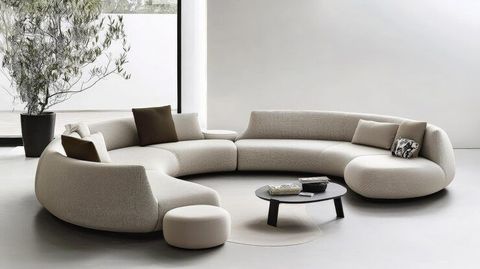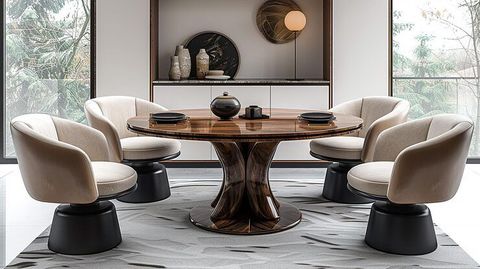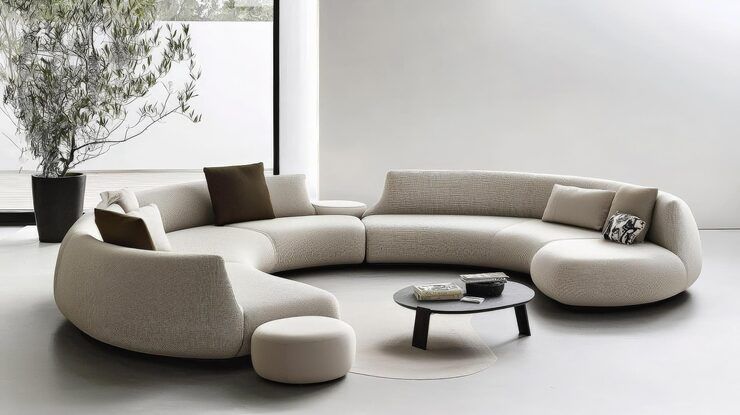
High-end minimalist sofas combine simple forms, carefully selected materials, functional comfort, and understated design. Unlike heavily decorated furniture, minimalist sofas generally emphasize clean lines, balanced proportions, restrained colors, and limited ornamentation. Their appearance is designed to complement a room without overwhelming its other elements.
These sofas are found in contemporary apartments, spacious homes, professional interiors, hospitality environments, and architectural projects. Their design reflects a broader approach to interior planning in which furniture contributes to visual balance, practical use, and the efficient organization of space.
Understanding High-End Minimalist Sofa Design
Minimalist sofa design is based on reducing unnecessary visual complexity while retaining the features required for everyday use. A sofa may have a low profile, straight arms, concealed legs, geometric cushions, or a modular structure.
The term high-end generally refers to attention to construction, material selection, finishing, and design. It does not automatically guarantee superior comfort or durability, so individual specifications remain important.
Defining Design Characteristics
Common characteristics include:
Clean silhouettes and simple outlines
Neutral colors such as beige, charcoal, ivory, and gray
Carefully proportioned seat cushions
High-quality upholstery and structural materials
Limited decorative stitching or detailing
Modular arrangements or flexible configurations
Frames designed for stability and repeated use
Minimalist furniture can still include curved shapes, textured fabrics, or warm wood finishes. The defining principle is visual restraint rather than a requirement that every component appear completely plain.
Common Minimalist Sofa Types
A two-seat sofa can work well in smaller rooms, while a three-seat configuration may suit a larger living area. Sectional sofas provide additional seating and can help define open-plan spaces.
Modular sofas use separate components that can be rearranged according to the room layout. Curved minimalist sofas introduce softer lines, while low-profile designs emphasize horizontal proportions and an uncluttered appearance.
Why Minimalist Sofas Matter in Modern Interiors
Furniture influences how a room looks, feels, and functions. A carefully chosen sofa can support a consistent interior design scheme while providing seating for daily activities, reading, conversation, and relaxation.
Space Planning and Visual Balance
In smaller homes, bulky furniture can make a room appear crowded. A sofa with suitable dimensions, narrow arms, and a relatively open base may help preserve a sense of space.
In larger rooms, a sectional or modular arrangement can establish a seating zone without requiring additional decorative furniture.
Before choosing a sofa, consider:
Available floor area
Doorway and hallway dimensions
Distance from other furniture
Walking paths
Seating capacity
Television or conversation arrangements
Window and lighting positions
Comfort and Ergonomics
A minimalist appearance should not come at the expense of comfort. Seat depth, seat height, back support, cushion firmness, and armrest placement affect how a sofa feels during extended use.
People who prefer an upright sitting position may find a shallower seat and firmer cushions more suitable. Deeper seats may appeal to those who prefer reclining or relaxed lounging.
Material Quality and Durability
The frame, suspension system, cushion filling, upholstery, and joinery all influence long-term performance.
A well-designed frame must support regular use, while upholstery should suit the household's cleaning requirements and level of activity. Families with children or pets may prioritize abrasion resistance, removable covers, and practical stain-management instructions.
Recent Updates and Design Trends
Minimalist sofa design continues to evolve as homeowners seek a balance between visual simplicity, practical comfort, flexibility, and material quality.
Modular and Adaptable Furniture in 2026
Design coverage published in 2026 highlights growing interest in modular sofas, tailored silhouettes, performance upholstery, subtle curves, and discreet functional features. These developments reflect a preference for furniture that can adapt to different room layouts while maintaining a coordinated appearance.
Modular seating can be especially useful in open-plan homes, where a living area may need to accommodate conversation, entertainment, reading, or occasional gatherings.
Warm Minimalism
Neutral interiors are increasingly incorporating warmer shades and tactile materials rather than relying exclusively on cool gray and stark white.
Popular design directions include:
Warm beige, sand, taupe, and chocolate brown
Textured linen-look upholstery
Natural wood and subtle metal finishes
Rounded corners and restrained curves
Layered cushions and understated rugs
Sculptural forms with practical proportions
These elements can create a more welcoming interior without abandoning minimalist principles.
Sustainability and Material Transparency
Furniture design discussions increasingly consider durability, repairability, material composition, and environmental impact. The European Commission's sustainable-product policy work also identifies furniture as a priority product group for future ecodesign measures.
For consumers, this makes clear information about upholstery composition, frame materials, replaceable components, and maintenance increasingly relevant.
Laws, Standards, and Furniture Policies
Furniture requirements vary by country and depend on where a product is manufactured, imported, or used. Several regulatory areas can influence high-end minimalist sofas.
Furniture Safety and Flammability
Furniture manufacturers and importers may need to comply with requirements concerning structural safety, chemical substances, labeling, and fire performance.
In the United States, upholstered furniture can be subject to federal requirements and applicable state rules. California's Technical Bulletin 117-2013, for example, addresses smolder resistance for materials used in upholstered furniture.
In other markets, requirements differ according to local legislation and product categories. Buyers should consult the relevant national product-safety authority when checking specific claims.
Sustainable Product Regulations in Europe
The European Union's Ecodesign for Sustainable Products Regulation (ESPR) establishes a framework for improving the environmental performance of products. Furniture is among the product groups identified for consideration in the regulation's implementation planning. Specific obligations depend on the applicable measures and implementation timetable.
The EU Ecolabel also has criteria for furniture, including considerations relating to legally sourced wood, restricted hazardous substances, and emissions. The label can help consumers identify products assessed against defined environmental criteria.
Product Information and Warranty Terms
Before selecting a sofa, review the manufacturer's documentation for:
Frame and suspension specifications
Upholstery composition
Cushion filling
Cleaning instructions
Warranty coverage
Replacement-part availability
Applicable safety certifications
A label or environmental claim should be interpreted according to its published criteria rather than treated as a universal guarantee of quality.
Tools and Resources for Sofa Planning
Practical planning tools can help determine whether a minimalist sofa suits a room's dimensions, appearance, and everyday requirements.
Room Measurement Tools
A measuring tape and a simple floor plan are useful starting points. Digital room-planning applications can also help visualize furniture placement before the room is rearranged.
Measure the sofa's full width, depth, and height, as well as doorways, hallways, staircases, and elevator openings along the delivery route.
Interior Design Applications
Room-design applications and 3D planners can help compare different sofa configurations, colors, rugs, and coffee-table arrangements.
Useful features include:
Scaled floor plans
Furniture placement
Color coordination
Clearance measurements
Modular layout comparisons
Lighting visualization
Upholstery and Construction Guides
Manufacturer specifications and independent furniture-testing resources can help explain fabric durability, cushion density, frame construction, and care requirements.
When comparing upholstery, consider abrasion resistance, colorfastness, cleaning instructions, and suitability for pets or frequent use. Performance ratings should be interpreted according to the testing method and intended application.
Sofa Selection Checklist
Before finalizing a design, evaluate these practical points:
Does the sofa fit the room and access route?
Is the seat depth comfortable?
Does the upholstery suit the household's routine?
Can the cushions or covers be maintained?
Does the frame construction meet expectations?
Can the configuration adapt to future room changes?
Does the design complement existing furniture?
Frequently Asked Questions
What defines a high-end minimalist sofa?
It generally combines restrained design, balanced proportions, carefully selected materials, and attention to construction. The term describes a design category rather than a universal quality certification.
Which colors work well with minimalist sofas?
Ivory, beige, taupe, gray, charcoal, and earthy brown are common choices. The most suitable color depends on natural light, flooring, wall colors, household activity, and the desired visual effect.
Are modular minimalist sofas suitable for small apartments?
They can be, provided the configuration fits the room. Compact modules may support flexible seating, but the dimensions of each component and the space needed for movement should be checked carefully.
Which upholstery materials are suitable for everyday use?
Woven synthetic blends, tightly constructed fabrics, leather, and other upholstery materials can work well depending on their specifications. Durability, comfort, cleaning requirements, and household conditions matter more than the material name alone.
How can the durability of a sofa be evaluated?
Review frame construction, joinery, suspension, cushion materials, upholstery specifications, maintenance instructions, and warranty terms. No single feature guarantees long-term performance, so the overall construction should be considered.
Conclusion
High-end minimalist sofas bring together clean design, functional comfort, material selection, and thoughtful space planning. Their appeal comes from creating a balanced interior without relying on excessive decoration.
Recent design trends show continued interest in adaptable modular arrangements, warmer neutral palettes, subtle curves, and upholstery suited to everyday use. At the same time, sustainability discussions and evolving product regulations are increasing attention to material transparency, durability, and repairability.
Choosing an appropriate sofa requires more than considering its appearance. Room dimensions, seating habits, construction quality, upholstery maintenance, accessibility, and relevant product standards all influence its suitability.
By evaluating these factors together, homeowners and interior designers can make informed decisions about minimalist furniture that complements the room and supports practical daily living.