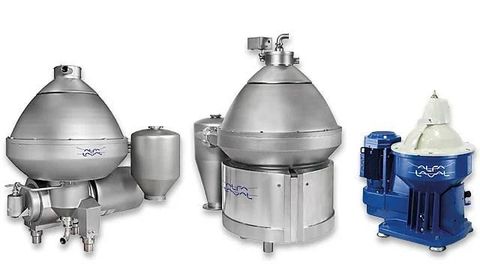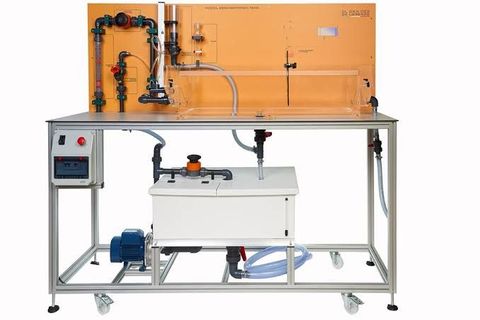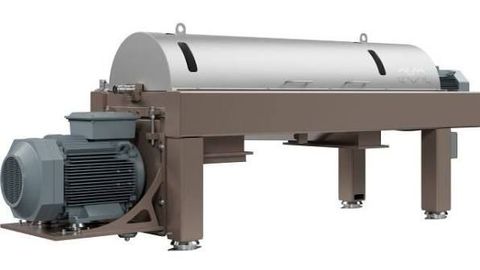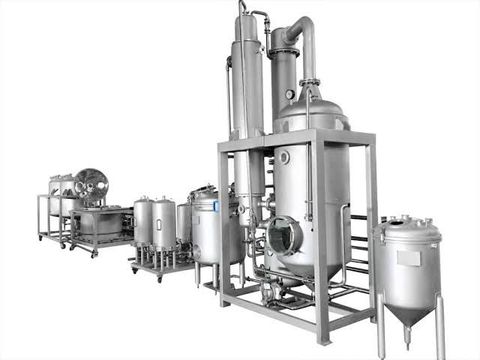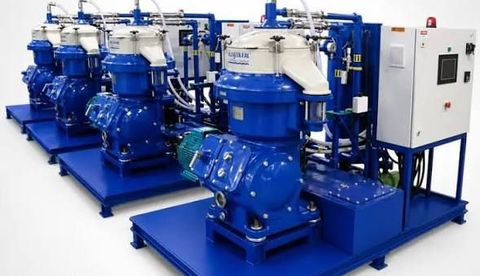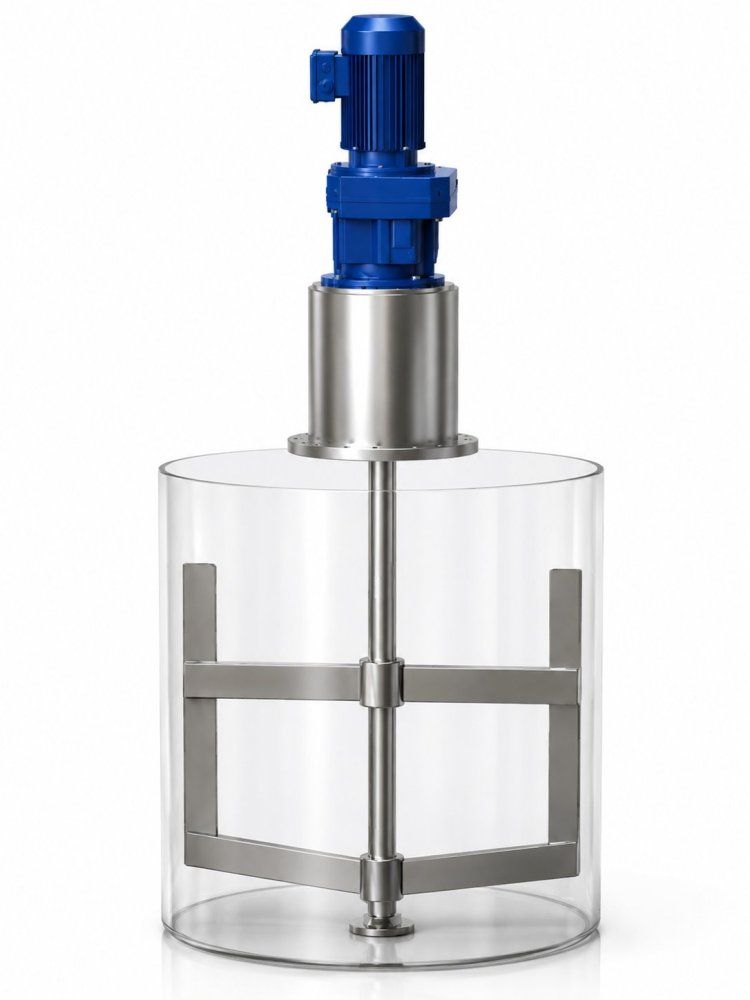
Industrial agitator manufacturing focuses on designing and producing mechanical equipment used to mix liquids, powders, slurries, and other process materials.
An agitator typically consists of components such as a motor, shaft, impeller, seals, bearings, and supporting structures. These parts work together to create controlled movement inside a vessel or processing tank.
The need for industrial agitators comes from many production processes where materials must be blended, suspended, dispersed, or kept uniform. Industries such as chemicals, food processing, water treatment, pharmaceuticals, paints, minerals, and industrial manufacturing use different agitator configurations according to the material and process conditions.
How Industrial Agitators Work
An agitator transfers mechanical energy into a material through a rotating shaft and impeller. The impeller creates fluid movement that can circulate material vertically, horizontally, or radially, depending on its design.
Different impeller shapes produce different flow patterns. A suitable configuration depends on factors such as viscosity, density, tank geometry, operating temperature, and the required degree of mixing.
Why Reliable Mixing Performance Matters
Mixing directly affects consistency, heat transfer, chemical reactions, and material suspension in many industrial processes. If material movement is uneven, some areas of a tank may receive more agitation than others, potentially affecting the uniformity of the final process.
Industrial agitator manufacturing therefore involves more than selecting a motor and attaching an impeller. Engineers consider mechanical loads, operating conditions, materials of construction, shaft dimensions, sealing arrangements, and maintenance requirements during the design process.
Key Factors in Agitator Selection
Several factors influence how an agitator is designed for a particular application:
- Material characteristics: Viscosity, density, particle size, and solids concentration influence impeller selection.
- Tank design: Vessel diameter, liquid height, internal fittings, and baffles affect circulation patterns.
- Operating conditions: Temperature, pressure, and chemical environment influence component selection.
- Mixing objective: Blending, suspension, dispersion, gas transfer, or heat transfer may require different configurations.
- Mechanical requirements: Shaft strength, bearing arrangement, motor capacity, and vibration control affect equipment design.
A properly considered design helps maintain predictable movement while reducing unnecessary mechanical stress on the equipment.
Common Agitator Configurations
| Configuration | Typical Application | Main Mixing Purpose |
|---|---|---|
| Axial-flow impeller | Low to medium viscosity liquids | Bulk circulation |
| Radial-flow impeller | Gas dispersion and high-shear processes | Radial movement |
| Anchor agitator | High-viscosity materials | Wall sweeping |
| Turbine agitator | General process mixing | Blending and dispersion |
| Propeller agitator | Low-viscosity liquids | Rapid circulation |
The configuration shown in the table is only a general guide. Actual equipment selection depends on the complete process and vessel conditions.
Manufacturing Considerations for Industrial Agitators
Industrial agitator manufacturing requires attention to dimensional accuracy, material selection, shaft alignment, impeller geometry, and component integration. Stainless steel and other corrosion-resistant materials may be selected when the operating environment requires resistance to moisture or chemical exposure.
Fabrication methods can include machining, welding, forming, balancing, and surface finishing. Quality checks may examine dimensions, weld integrity, shaft alignment, rotational balance, and component fit.
Materials and Mechanical Design
Material selection is connected to the process environment. A material that works for water-based applications may not be suitable for aggressive chemicals, elevated temperatures, or abrasive mixtures.
Mechanical design also considers the forces generated during operation. Shaft diameter, bearing arrangements, impeller size, rotational speed, and motor characteristics need to work together within the intended operating range.
Tools and Resources for Understanding Agitator Design
Several technical resources can help readers understand industrial agitator manufacturing and mixing equipment. Engineering calculators can be used to explore relationships involving rotational speed, power, vessel dimensions, and fluid properties.
Computer-aided design software can help visualize shafts, impellers, tanks, and support structures before fabrication. Process simulation tools may also help examine expected flow behavior in more complex mixing applications.
Useful resources include:
- Engineering calculation worksheets for mixing parameters
- CAD software for equipment layout and component design
- Equipment specification templates for documenting process requirements
- Material compatibility charts for comparing construction materials
- Industrial equipment manuals for understanding operating principles
- Engineering standards databases for reviewing applicable design practices
These resources provide background information, while actual equipment design may require application-specific engineering analysis.
FAQs
What is industrial agitator manufacturing?
Industrial agitator manufacturing is the process of designing and producing mechanical mixing equipment for industrial tanks and vessels. It includes component design, material selection, fabrication, assembly, and quality checks.
What factors affect industrial agitator design?
Important factors include liquid viscosity, density, solids content, tank dimensions, operating temperature, pressure, required mixing pattern, and material compatibility.
Why is impeller selection important in industrial agitator manufacturing?
The impeller determines how mechanical energy is transferred into the material. Different impeller designs create different circulation patterns and are suited to different mixing objectives.
What materials are used for industrial agitators?
Common materials include stainless steel, carbon steel, and specialized alloys. Selection depends on chemical exposure, temperature, mechanical loads, and other process conditions.
Where are industrial agitators used?
Industrial agitators are used in chemical processing, food production, water treatment, mineral processing, coatings, and various manufacturing operations where controlled mixing is required.
Conclusion
Industrial agitator manufacturing combines mechanical design, material selection, fabrication, and process considerations to create equipment for controlled mixing. Agitator performance depends on factors including impeller geometry, shaft design, vessel configuration, material properties, and operating conditions. Understanding these elements helps explain why different industrial processes use different agitator configurations. Proper engineering analysis and equipment documentation are important parts of developing mixing systems for specific operating environments.