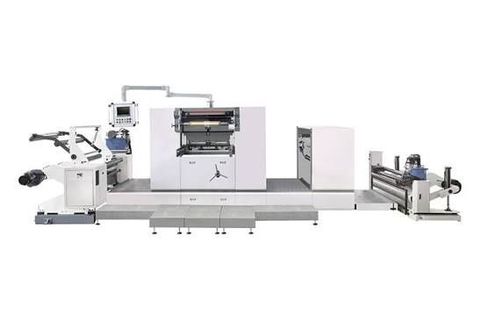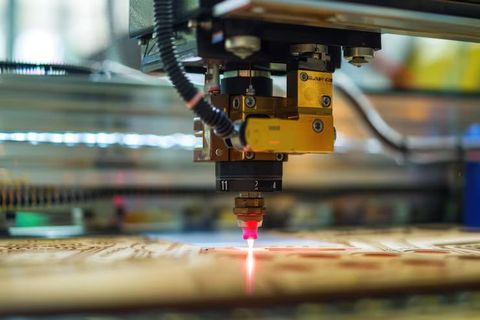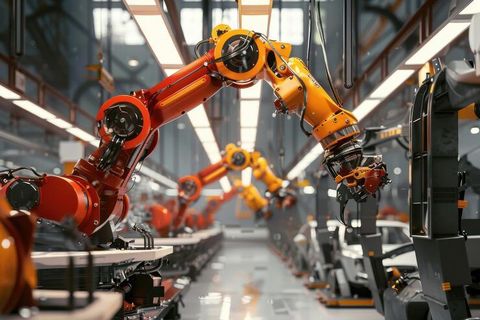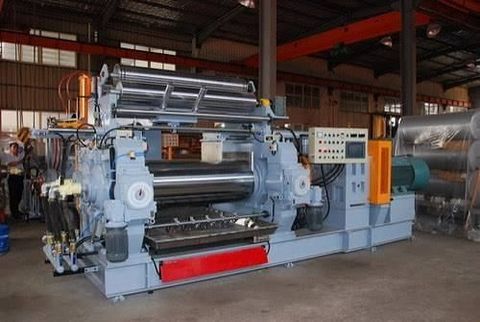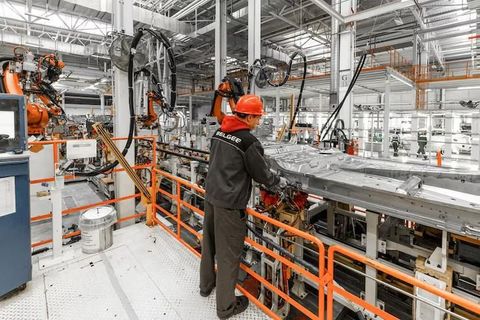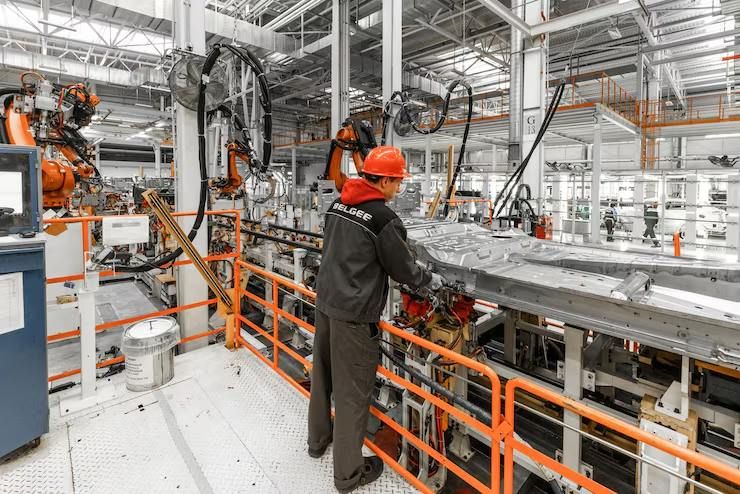
Industrial power machinery refers to equipment that uses mechanical, electrical, hydraulic, pneumatic, or combined power to perform industrial tasks. Examples include motors, pumps, compressors, generators, conveyors, presses, mixers, fans, and material-processing machines. These systems are used across manufacturing, construction, energy, transportation, food processing, and other industrial activities.
Modern industrial power equipment increasingly combines mechanical components with electronic controls, sensors, automation, and digital monitoring. Understanding how these machines work, where they are used, and which safety requirements apply can help operators, engineers, students, and industrial managers understand modern production systems.
Context
Industrial power machinery has developed from relatively simple mechanical systems into integrated equipment that can monitor operating conditions and adjust performance. Early industrial machines commonly depended on steam, belts, shafts, and mechanical controls. Modern systems frequently use electric motors, programmable logic controllers, variable frequency drives, sensors, and computer-based monitoring.
The main purpose of industrial power equipment is to convert energy into useful mechanical work. A motor can rotate a pump, conveyor, fan, or compressor, while hydraulic and pneumatic systems can generate controlled movement for specialized machinery.
Common categories include:
| Machinery type | Main function | Typical applications |
|---|---|---|
| Electric motors | Produce rotational motion | Pumps, fans, conveyors |
| Generators | Produce electrical power | Backup and industrial power systems |
| Pumps | Move liquids | Water, chemicals, process fluids |
| Compressors | Increase gas pressure | Manufacturing and processing |
| Conveyors | Move materials | Warehouses and production lines |
| Industrial presses | Apply controlled force | Forming and manufacturing |
| Fans and blowers | Move air or gases | Ventilation and processing |
| Gearboxes | Change speed and torque | Drives and machinery |
A complete industrial system may combine several of these components. For example, a production line can use an electric motor, gearbox, conveyor, sensors, and control system as one coordinated unit.
Importance
Industrial power equipment affects productivity, workplace safety, energy use, product quality, and equipment reliability. A machine that is correctly selected and operated can perform its intended function while maintaining controlled operating conditions.
Safety is especially important because rotating shafts, belts, gears, cutting mechanisms, electrical components, hot surfaces, pressure systems, and moving materials can create hazards. OSHA states that machine guarding should protect workers from hazards such as rotating parts, ingoing nip points, flying chips, and sparks.
Energy performance is another important consideration. The U.S. Department of Energy identifies motors and drives as major industrial energy users and provides guidance covering motor selection, operating conditions, variable-speed control, and system-level assessment.
Industrial power machinery can affect several groups:
- Machine operators who interact directly with equipment
- Maintenance and engineering teams
- Factory and facility managers
- Equipment designers and integrators
- Safety and compliance personnel
- Businesses that depend on continuous industrial production
Recent Updates
Modern industrial power machinery is increasingly connected, automated, and data-driven. Sensors can measure temperature, vibration, pressure, speed, current, and other operating parameters. These measurements can support condition monitoring and help identify unusual operating patterns before a machine experiences a serious interruption.
Variable frequency drives are another important development. They can adjust motor speed according to operating requirements instead of keeping a motor at one fixed speed. The Department of Energy explains that variable-speed control can improve energy performance in applications where the required load changes.
Advanced electric-machine research is also examining technologies such as silicon-carbide power electronics, high-speed motors, permanent-magnet machines, and integrated motor-drive systems. These developments are intended to improve power density, efficiency, and operating performance in industrial applications.
Digitalization is also influencing machinery design. Modern control systems can combine sensors, programmable controllers, communication networks, and software into a coordinated production system. This creates additional requirements for cybersecurity, software reliability, data management, and safe machine behavior.
The European Union's Machinery Regulation (EU) 2023/1230 is an important current development. It includes provisions addressing AI-powered safety functions, cybersecurity for relevant software and safety control systems, and digital instructions. The regulation is scheduled to apply from January 20, 2027.
Laws or Policies
Machinery regulations vary according to country, industry, machine type, and workplace conditions. Users should consult the rules that apply to their specific location and application rather than assuming that one regulatory framework applies worldwide.
In the United States, OSHA's general industry machinery requirements include 29 CFR 1910 Subpart O. Section 1910.212 establishes general machine-guarding requirements, including protection around points of operation and moving machine parts.
OSHA also addresses hazardous-energy control, commonly known as lockout/tagout. Its requirements include energy-control procedures, worker training, and periodic inspections for applicable servicing and maintenance activities.
In the European Union, Machinery Regulation (EU) 2023/1230 establishes a newer framework for machinery safety and conformity. The European Commission states that it will become mandatory on January 20, 2027, replacing the current Machinery Directive framework for applicable machinery.
India's Occupational Safety, Health and Working Conditions framework also addresses machinery safety. The Occupational Safety, Health and Working Conditions Code includes matters such as fencing of machinery, work near machinery in motion, power cut-off devices, revolving machinery, pressure equipment, and safety of buildings and machinery.
Because requirements can change, official government publications and current regulatory guidance should be checked before designing, installing, modifying, or operating industrial equipment.
Tools and Resources
Several technical resources can help people learn about industrial power machinery and understand its operation.
Useful resources include:
- OSHA machine-guarding standards and educational materials for workplace safety.
- U.S. Department of Energy motor-system guidance for energy assessment and motor-drive fundamentals.
- European Commission machinery information for EU machinery legislation and conformity requirements.
- Manufacturer technical manuals for specifications, operating limits, installation information, and maintenance procedures.
- Electrical and mechanical engineering references for motors, drives, pumps, compressors, gears, and control systems.
- Equipment inspection checklists for recording operating conditions, safety observations, and maintenance activities.
Basic measurements such as motor current, voltage, rotational speed, temperature, vibration, pressure, and flow can also help engineers understand machine performance when the appropriate instruments and procedures are used.
FAQs
What is industrial power machinery?
Industrial power machinery is equipment that converts electrical, mechanical, hydraulic, pneumatic, or other forms of energy into useful industrial work. Motors, pumps, compressors, generators, presses, and conveyors are common examples.
What are modern industrial power equipment systems?
Modern systems commonly combine mechanical equipment with electronic controls, sensors, drives, and monitoring software. This allows machines to operate according to programmed conditions and provides information about operating performance.
Why is machine guarding important?
Machine guarding helps prevent workers from contacting hazardous moving parts, points of operation, rotating components, and other dangerous areas. Requirements vary according to the machine and jurisdiction.
What is a variable frequency drive?
A variable frequency drive, or VFD, is an electronic device used to control the speed of an AC motor by adjusting the frequency and voltage supplied to the motor. It is widely used where motor speed needs to change with operating demand.
Where can I learn about machinery regulations?
Government regulatory websites, official standards organizations, technical manuals, and engineering publications are useful starting points. OSHA, the European Commission, and India's Ministry of Labour and Employment provide relevant regulatory information for their respective jurisdictions.
Conclusion
Industrial power machinery is a broad field covering motors, generators, pumps, compressors, conveyors, presses, drives, and many other systems. Modern equipment increasingly combines mechanical power with sensors, automation, electronic controls, and digital monitoring.
Understanding machine functions, energy systems, operating limits, and safety principles is important for anyone working with industrial equipment. Regulatory requirements also vary by country and application, so current official guidance should be consulted when evaluating specific machinery.
As industrial technology develops, connected controls, variable-speed systems, advanced electric machines, and software-based safety functions are becoming more significant. These changes make technical knowledge and appropriate safety practices increasingly important for modern industrial environments.