Healthy lifestyle habits are everyday behaviors that support physical health, mental well-being, and long-term quality of life. They include eating a balanced diet, staying physically active, getting enough sleep, managing stress, maintaining social connections, and attending appropriate preventive health appointments.
In 2026, health and wellness remain important topics as people balance work, family responsibilities, digital activities, and personal commitments. Busy schedules can make consistent routines difficult, but healthy living does not necessarily require dramatic changes. Small, realistic adjustments can help people develop habits that fit their individual needs.
A healthy lifestyle also involves understanding that wellness is not limited to body weight or physical appearance. It includes energy levels, emotional resilience, mobility, concentration, and the ability to participate in daily activities.
The Main Elements of a Healthy Routine
A balanced approach to lifestyle improvement includes several connected areas:
Balanced nutrition: Eating a variety of vegetables, fruits, whole grains, protein sources, and healthy fats.
Regular physical activity: Combining everyday movement with aerobic exercise and muscle-strengthening activities.
Quality sleep: Following a consistent sleep schedule and creating a comfortable sleeping environment.
Stress management: Using practical techniques such as breathing exercises, relaxation, and time management.
Preventive healthcare: Keeping appropriate vaccinations, health screenings, and routine medical appointments up to date.
Social well-being: Maintaining supportive relationships and making time for meaningful activities.
These habits can reinforce one another. For example, regular physical activity may support sleep quality, while sufficient sleep can help with energy, mood, and motivation.
Why Healthy Lifestyle Habits Matter in 2026
Healthy routines can support long-term well-being and help reduce several preventable health risks. They are relevant to students, working adults, parents, older people, and individuals who spend much of their day sitting.
Modern routines often involve prolonged screen time, irregular meals, limited movement, and disrupted sleep schedules. These patterns can make it harder to maintain consistent wellness habits.
Benefits of Consistent Healthy Habits
A balanced lifestyle can contribute to:
Better cardiovascular health and physical endurance.
Improved concentration and everyday energy.
More consistent sleep patterns.
Better management of everyday stress.
Support for healthy blood pressure and blood sugar levels.
Improved mobility, strength, and balance as people age.
Lifestyle habits cannot prevent every illness or replace medical treatment. Genetics, environmental conditions, age, and existing health conditions also influence health outcomes.
Practical Changes to Start With
People can begin by identifying one or two habits that need attention rather than attempting to change everything at once.
For example, someone who rarely exercises might start with a 10-minute walk after lunch. Another person might establish a regular bedtime or include vegetables in more meals. Repeating manageable actions can make a routine easier to maintain.
Recent Health and Wellness Developments
During 2025 and 2026, public health discussions increasingly emphasized preventive care, dietary quality, physical activity, mental well-being, and the responsible use of digital health technology.
Updated Attention to Healthy Nutrition
On January 26, 2026, the World Health Organization published an updated healthy diet fact sheet emphasizing dietary adequacy, balance, moderation, and diversity. It highlighted the importance of minimally processed foods and limiting excessive amounts of salt, free sugars, and unhealthy fats.
Practical nutrition guidance continues to encourage people to:
Eat a variety of fruits and vegetables.
Choose whole grains more frequently.
Include suitable sources of protein.
Limit excessive salt and added sugars.
Maintain food safety and appropriate portion sizes.
Individual nutritional needs vary according to age, activity level, health status, and cultural dietary patterns.
Physical Activity and Sedentary Behavior
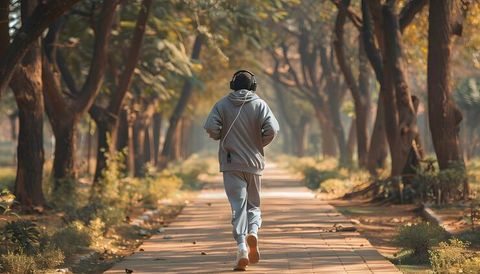
Physical activity remains a central element of preventive health. Current international recommendations encourage adults to complete 150–300 minutes of moderate-intensity aerobic activity each week, or an equivalent amount of vigorous activity, alongside muscle-strengthening exercises on at least two days.
Examples of moderate activity include brisk walking, cycling at a comfortable pace, and dancing. People who are inactive can begin gradually and increase their activity as their abilities improve.
Digital Wellness and Personalized Health Tracking
Wearable devices, smartphone applications, and digital health platforms are increasingly used to record daily steps, sleep patterns, heart rate, and exercise sessions.
These tools may help people recognize patterns and maintain routines. However, their measurements are not always precise, and automated health suggestions should not replace professional medical assessment.
Wellness discussions in 2026 also increasingly focus on sleep regularity, social connection, mental fitness, and sustainable everyday routines rather than isolated health trends.
Laws, Policies, and Public Health Programs
Healthy lifestyle choices are influenced by public health policies, food safety rules, physical activity initiatives, and preventive healthcare programs. The details vary across countries, but many governments promote healthier diets, tobacco control, physical activity, and early identification of common health conditions.
International Public Health Guidance
The World Health Organization provides guidance on healthy diets, physical activity, tobacco prevention, and noncommunicable disease prevention. These recommendations help countries develop public health strategies, although individual national requirements differ.
Common policy areas include:
Food labeling and nutritional information.
Restrictions on tobacco advertising and smoking in designated public areas.
School nutrition and physical education programs.
Public awareness campaigns on physical activity.
Preventive screening and vaccination programs.
These measures aim to create environments that make healthier decisions easier for individuals and communities.
Examples of Government Initiatives in India
India promotes preventive health and wellness through several national initiatives.
Fit India Movement encourages physical activity and the adoption of healthier daily routines.
Eat Right India, led by the Food Safety and Standards Authority of India, promotes food safety, balanced nutrition, and healthier eating practices.
POSHAN Abhiyaan focuses on improving nutrition outcomes, particularly among children, adolescents, pregnant women, and mothers.
Public health initiatives under the National Health Mission also support awareness, screening, and management of selected noncommunicable diseases.
The availability and eligibility requirements of specific programs vary. People should consult relevant public health authorities for current guidance.
Tools and Resources for Everyday Wellness
Practical tools can help people monitor habits, plan routines, and identify areas for improvement. The purpose is to build consistency rather than track every activity perfectly.
Useful Health and Fitness Tools
Step counters: Record daily movement and help users observe activity patterns.
Sleep trackers: Estimate sleep duration and timing to support awareness of sleep routines.
Nutrition diaries: Record meals, food variety, and eating patterns.
Physical activity planners: Organize weekly walking, aerobic exercise, and strength sessions.
Stress journals: Help identify recurring stressors and document relaxation practices.
Preventive health checklists: Track routine appointments, recommended screenings, and vaccinations.
A Simple Weekly Wellness Planner
The following example illustrates how people can organize basic habits throughout a typical week.
Habit | Suggested routine | Main purpose |
|---|---|---|
Physical activity | Brisk walking on most days | Support cardiovascular health |
Strength training | Two days weekly | Maintain muscle strength |
Balanced nutrition | Include varied food groups daily | Support nutrient intake |
Sleep schedule | Keep regular sleep and wake times | Support recovery |
Relaxation | Practice a calming activity daily | Manage everyday stress |
Social connection | Make time for meaningful contact | Support emotional well-being |
Adults generally need at least seven hours of sleep each night, although individual requirements vary. People with ongoing sleep difficulties should discuss them with a qualified health professional.
Frequently Asked Questions
What are the most important healthy lifestyle habits for 2026?
A balanced diet, regular physical activity, adequate sleep, stress management, preventive healthcare, and supportive social relationships are important foundations. The best routine is one that suits individual needs and can be maintained over time.
How can beginners start a healthy lifestyle?
Begin with small, achievable actions. Walking for a few minutes each day, drinking water regularly, eating more vegetables, and following a consistent bedtime are practical starting points. Gradual changes can help establish sustainable routines.
How much exercise should adults do each week?
Most adults should aim for 150–300 minutes of moderate aerobic activity weekly, or an equivalent amount of vigorous activity. Muscle-strengthening activities should be included on at least two days each week. People with medical limitations may need an individualized plan.
Can healthy lifestyle habits reduce the risk of chronic diseases?
Healthy habits can help lower the risk of conditions such as cardiovascular disease and type 2 diabetes. However, they cannot eliminate all risks or guarantee that a disease will not develop. Personal medical history and other factors also matter.
Are wellness apps reliable for monitoring health?
Wellness apps can help track activity, sleep, and daily routines, but their accuracy varies. They are useful for observing general patterns rather than diagnosing illnesses. Important or concerning symptoms require appropriate medical assessment.
Conclusion
Healthy lifestyle habits in 2026 are best understood as consistent, practical actions that support physical, mental, and social well-being. Balanced nutrition, regular movement, sufficient sleep, stress management, and preventive care provide a strong foundation for everyday health.
New developments in nutrition guidance, wearable technology, and preventive health awareness offer additional ways to understand and improve daily routines. However, lasting progress does not depend on following every wellness trend or making dramatic changes overnight.
Starting with manageable goals, reviewing progress regularly, and adapting habits to personal circumstances can make healthy living more achievable. When combined with reliable health information and appropriate professional guidance, these everyday choices can support long-term well-being.