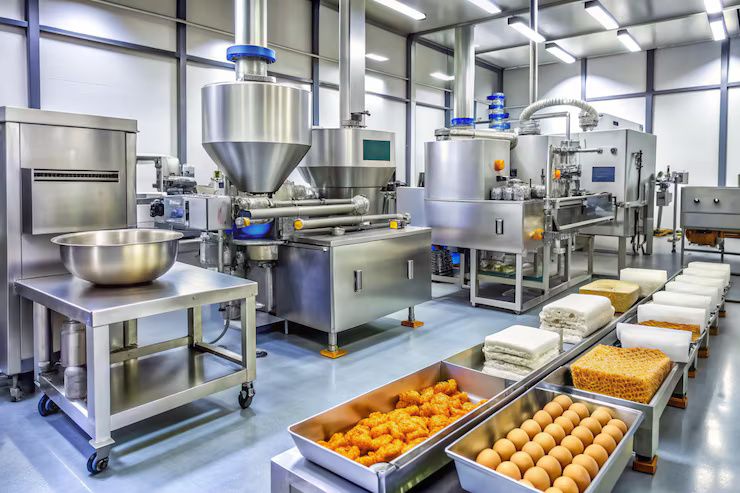
Food processing machines are equipment designed to perform specific operations on food ingredients, such as cleaning, cutting, grinding, mixing, heating, cooling, drying, filling, and packaging.
They are used across many parts of the food industry to make processing more consistent, controlled, and suitable for different production requirements.
Understanding food processing machines involves more than knowing their names. Their design, operating principles, materials, hygiene requirements, maintenance practices, and application areas all influence how effectively they can be used. This guide explains the basics, uses, recent developments, regulatory considerations, and useful resources in simple terms.
Context
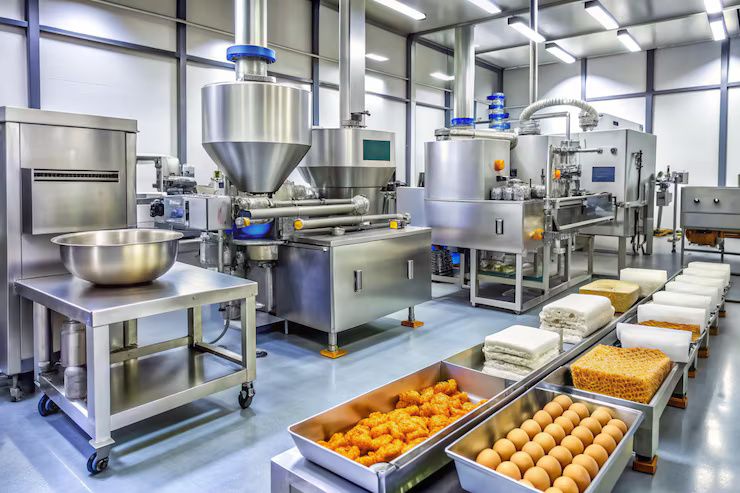
Food processing machines are mechanical, electrical, or automated systems used to transform raw agricultural or food ingredients into prepared, processed, or packaged products. Depending on the application, a processing line may contain several connected machines rather than one individual unit.
Common examples include:
| Machine Type | Main Function | Typical Applications |
|---|---|---|
| Washing machines | Remove dirt and unwanted material | Fruits, vegetables |
| Cutting machines | Slice, dice, or chop ingredients | Vegetables, fruits |
| Grinding machines | Reduce particle size | Grains, spices, nuts |
| Mixing machines | Combine ingredients | Sauces, dough, beverages |
| Heating equipment | Apply controlled heat | Cooking, pasteurization |
| Drying machines | Reduce moisture | Fruits, vegetables, grains |
| Filling machines | Place measured products into containers | Beverages, sauces |
| Inspection systems | Detect selected quality or safety issues | Packaged and processed foods |
The development of food processing machinery is closely connected with the need for consistent food preparation, improved hygiene, controlled processing conditions, and efficient use of materials. Modern systems can combine sensors, programmable controls, conveyors, inspection equipment, and data collection into integrated processing lines.
Machine selection generally depends on the type of food, required processing stage, physical characteristics of the ingredients, production capacity, temperature requirements, cleaning procedures, and available facility space.
Importance
Food processing machines matter because controlled processing can help manufacturers maintain repeatable procedures across large quantities of food. Mechanical equipment can also reduce the amount of repetitive manual handling required for particular processing stages.
Food safety is another important consideration. Equipment that comes into contact with food needs appropriate hygienic design and maintenance. Poorly designed or inadequately cleaned equipment can create places where microorganisms, food residues, or foreign materials may accumulate. FDA guidance identifies equipment design, sanitary operations, facility sanitation, and process controls as important parts of food safety practices.
Different groups are affected by food processing machinery, including:
- Food manufacturers and processors
- Quality-control personnel
- Maintenance and engineering teams
- Food safety professionals
- Packaging and production teams
- Consumers who depend on safe and consistent food products
Equipment can also influence resource use. Modern processing systems increasingly focus on reducing unnecessary water, energy, material waste, and production interruptions.
Recent Updates
Food processing machinery is becoming increasingly connected and automated. A 2026 industry report from PMMI and FPSA identifies several current areas of attention, including hygienic design, sanitation, inspection and quality controls, digital tools, AI-assisted inspection, human-machine interfaces, and efficiency related to water, energy, and waste.
One important development is the use of sensors and digital monitoring. Sensors can measure variables such as temperature, pressure, flow, moisture, speed, or vibration. These measurements can help operators identify changes in processing conditions and support maintenance decisions.
Artificial intelligence and machine vision are also being explored for inspection applications. Camera-based systems can examine products for defined visual characteristics, while software can analyze collected information according to programmed criteria. Such systems do not remove the need for appropriate food safety procedures or human oversight.
Another trend is improved hygienic equipment design. Processing equipment is increasingly designed with easier access to food-contact areas, smoother surfaces, suitable materials, and fewer locations where residues can accumulate. These characteristics can make cleaning and inspection more manageable.
Energy and water efficiency are also receiving greater attention. Processing facilities may use improved heat recovery, variable-speed drives, optimized refrigeration, efficient drying methods, and automated controls to reduce unnecessary resource consumption.
Laws or Policies
Food processing machines are subject to different requirements depending on the country, food category, processing activity, and intended market. Regulations commonly address food safety, hygiene, equipment materials, sanitation, process controls, and contamination prevention.
In India, the Food Safety and Standards Authority of India regulates food safety through the framework established under the Food Safety and Standards Act, 2006. FSSAI states that food businesses must follow applicable licensing or registration requirements and relevant food safety regulations.
FSSAI hygiene requirements emphasize Food Safety Management Systems, Good Manufacturing Practices, and Good Hygiene Practices. Schedule 4 includes requirements covering food manufacturing, processing, packaging, storage, and distribution.
Equipment that contacts food is particularly important. FSSAI requirements address suitable materials, cleanliness, maintenance, and hygienic conditions for equipment and containers used during food handling and processing.
In the United States, FDA food safety rules include Current Good Manufacturing Practices and preventive-control requirements under the Food Safety Modernization Act framework. Equipment, sanitation, process controls, and hazard prevention are relevant parts of the regulatory system.
In the European Union, machinery and other materials that come into contact with food can fall under food-contact-material requirements. The European Commission explains that food-contact materials include machinery used to process food and must comply with applicable legislation, including Regulation (EC) No 1935/2004 and relevant good manufacturing practice requirements.
Because regulations can change, businesses should consult the official authority applicable to their location and food category before establishing or modifying a processing operation.
Tools and Resources
Several resources can help people understand food processing machines, safety requirements, and processing practices.
Useful resources include:
- FSSAI regulations and food safety guidance for India
- FDA food safety and FSMA resources for the United States
- European Commission food safety and food-contact-material information
- Equipment technical manuals and operating instructions
- HACCP planning documents and hazard-analysis worksheets
- Preventive maintenance checklists
- Temperature-monitoring records
- Cleaning and sanitation schedules
- Equipment inspection and calibration records
FSSAI provides sector-specific Food Safety Management System guidance documents intended to help food businesses address important food safety considerations throughout processing and related activities.
When evaluating equipment information, it is useful to check technical specifications, food-contact materials, operating limits, cleaning instructions, electrical requirements, maintenance procedures, and applicable safety documentation. Comparing these details with the intended food application can help identify whether a machine is technically appropriate.
FAQs
What are food processing machines?
Food processing machines are equipment used to perform controlled operations on food ingredients. Examples include washing, cutting, grinding, mixing, heating, cooling, drying, filling, and inspection equipment.
What are the main uses of food processing machines?
Their main uses include preparing ingredients, changing food texture or form, applying controlled heat or cooling, reducing moisture, combining ingredients, and handling products during processing and packaging.
Why is hygienic design important?
Hygienic design helps reduce areas where food residues, microorganisms, or contaminants could accumulate. Equipment should be designed, cleaned, inspected, and maintained according to the applicable food safety requirements.
How is automation changing food processing machines?
Automation allows machines to monitor and control selected operating conditions using sensors, programmable systems, and digital interfaces. Newer systems may also incorporate machine vision, data analysis, and AI-assisted inspection.
Which regulations apply to food processing equipment?
Requirements depend on the country, food type, processing activity, and equipment application. In India, FSSAI regulations are particularly relevant, while the United States follows FDA requirements and the European Union has rules concerning food safety and food-contact materials.
Conclusion
Food processing machines play an important role in preparing, transforming, controlling, and handling food ingredients. Their applications range from basic operations such as washing and cutting to advanced automated systems that monitor processing conditions and inspect products.
Safe and effective equipment use depends on appropriate machine design, hygienic practices, maintenance, process control, and compliance with applicable regulations. Understanding these factors provides a useful foundation for evaluating food processing systems and their role in modern food production.
As technology develops, food processing machinery is increasingly incorporating automation, digital monitoring, inspection technologies, and resource-efficiency measures. At the same time, fundamental principles such as sanitation, suitable materials, controlled processing conditions, and food safety remain essential.