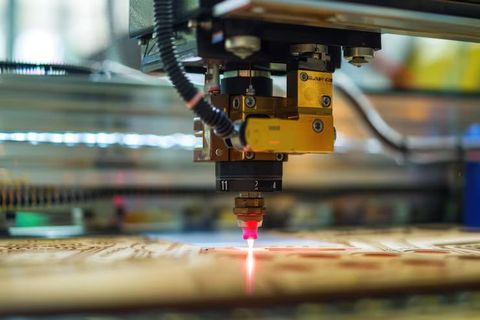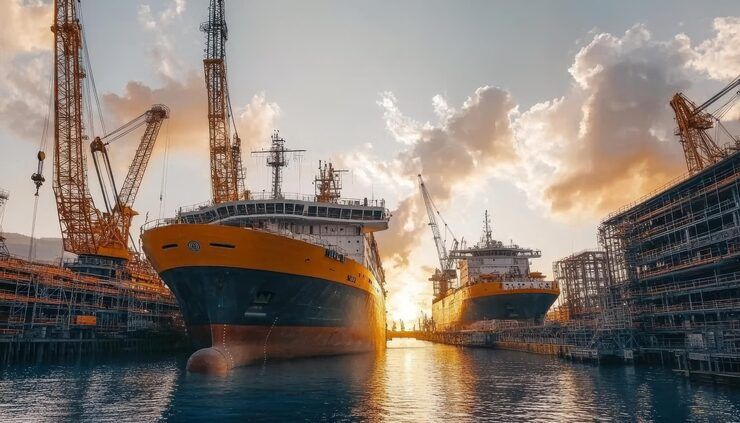
Shipbuilding machinery includes the equipment, systems, and production technologies used to transform raw materials into completed vessels. Shipyards use machinery for cutting, forming, welding, lifting, surface preparation, assembly, painting, testing, and installation. Understanding these systems helps readers learn how modern ship production is organized.
Shipbuilding Machinery Resources provide useful information about equipment types, production stages, technical standards, and maritime regulations. Modern shipyards increasingly combine automated machinery, digital planning, robotics, energy-efficient systems, and computer-based monitoring to improve accuracy, safety, and production control.
Context
Shipbuilding is a complex industrial process that combines mechanical engineering, structural design, electrical systems, materials science, and marine technology. A shipyard normally divides construction into several stages so that large components can be manufactured and assembled in a controlled sequence.
Shipbuilding machinery can include:
- CNC cutting machines for steel and other materials
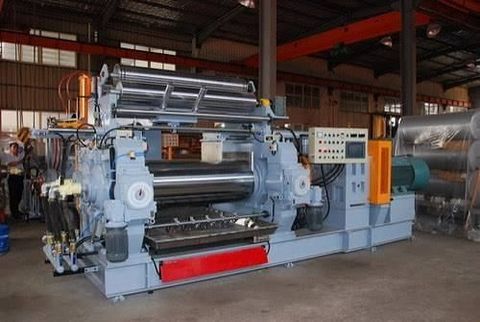
- Plate bending and forming equipment
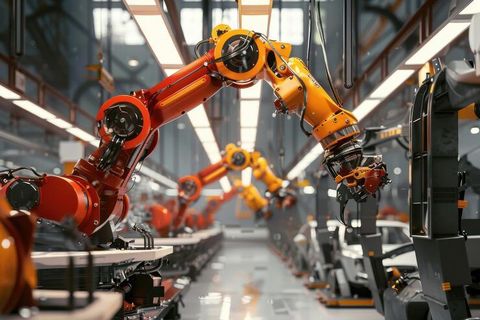
- Welding systems and robotic welding cells
- Cranes and lifting equipment
- Pipe fabrication machinery
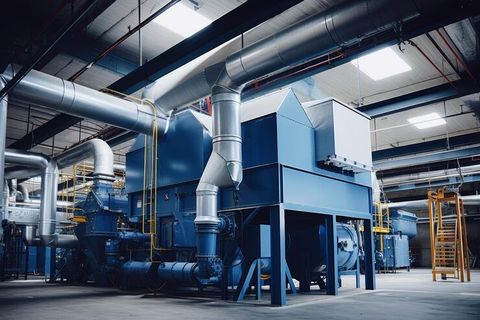
- Surface preparation and coating equipment
- Assembly and positioning systems
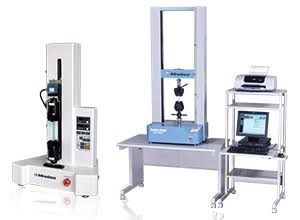
- Testing and inspection equipment
- Digital production and monitoring systems
The production process commonly begins with design and material preparation. Steel plates or other approved materials are cut according to digital drawings. Components are then formed, welded into smaller assemblies, and combined into larger sections. These sections may eventually become complete hull blocks or other major parts of a vessel.
Machinery selection depends on vessel type, production volume, materials, shipyard layout, automation level, and applicable technical requirements. Equipment must also work with the engineering drawings and production methods used by the shipyard.
Importance
Shipbuilding machinery affects nearly every stage of vessel construction. Accurate cutting and forming equipment helps maintain dimensional consistency, while welding systems are important for structural connections. Lifting equipment allows large assemblies to be moved safely between production areas.
The importance of these systems extends beyond individual machines. Production planning, equipment integration, worker training, inspection procedures, and maintenance all influence how a shipyard operates.
| Machinery area | Main purpose | Typical production stage |
|---|---|---|
| CNC cutting | Shapes plates and profiles | Material preparation |
| Bending equipment | Forms structural components | Component fabrication |
| Welding systems | Joins metal components | Assembly |
| Cranes | Moves heavy sections | Block construction |
| Pipe machinery | Forms and joins piping | Systems installation |
| Surface equipment | Prepares material surfaces | Finishing |
| Inspection equipment | Checks dimensions and quality | Multiple stages |
| Digital systems | Coordinates production data | Throughout production |
Shipbuilding machinery also affects safety. Large steel sections, heavy components, high temperatures, electrical systems, and confined work areas create specific industrial hazards. Appropriate equipment design, operating procedures, inspection, and training are therefore important parts of shipyard management.
Recent Updates
Shipbuilding is increasingly influenced by digitalization, automation, alternative energy technologies, and environmental requirements. In March 2026, the International Maritime Organization approved its Strategy on Maritime Digitalization. The strategy emphasizes interoperability, standardization, data sharing, and data governance across the maritime sector.
For shipyards, greater digital integration can connect design information with production planning, machinery controls, inspection records, and maintenance information. Digital models can also help coordinate large assemblies before physical construction begins.
Automation is another important development. Robotic welding, automated cutting, computer-controlled forming, and sensor-based monitoring can be integrated into production workflows. These technologies are particularly relevant where repeatable operations involve large numbers of similar components.
Environmental requirements are also influencing vessel design and production. IMO work during 2026 includes developing safety frameworks for technologies such as batteries, wind-assisted propulsion, and other approaches intended to reduce greenhouse-gas emissions.
New regulatory requirements can affect machinery selection. For example, IMO regulations concerning lifting appliances entered into force on 1 January 2026, covering areas such as design, construction, testing, examination, marking, maintenance, inspection, and operation.
Another major development is autonomous shipping. IMO adopted the International Code of Safety for Maritime Autonomous Surface Ships in May 2026, with the Code taking effect on 1 July 2026. This development has implications for ship design, control systems, sensors, communications, and related production technologies.
Laws or Policies
Shipbuilding machinery operates within a regulatory environment that can include international conventions, flag-state requirements, classification rules, national legislation, and port-related requirements. The exact requirements depend on vessel type, flag, operating area, machinery, and construction arrangements.
The International Convention for the Safety of Life at Sea, commonly known as SOLAS, is a central international framework for maritime safety. Shipbuilders and equipment manufacturers must consider applicable SOLAS requirements when designing and constructing relevant systems.
The International Association of Classification Societies develops technical requirements that its member classification societies incorporate into their rules. IACS Unified Requirements cover areas including machinery installations, electrical systems, materials, welding, pipes, pressure vessels, and structural matters.
MARPOL is another major international framework. It addresses prevention of pollution from ships and includes requirements related to energy efficiency and emissions. IMO's evolving greenhouse-gas framework is influencing ship design and the development of propulsion and energy systems.
Regional rules may also apply. In the European Union, FuelEU Maritime has applied from 1 January 2025 and establishes progressively stricter greenhouse-gas intensity requirements for energy used by ships above 5,000 gross tonnage that call at European ports.
Shipyards should therefore verify current requirements with the relevant maritime authority, classification society, project documentation, and applicable legislation before selecting or modifying equipment.
Tools and Resources
Several types of resources can help readers understand shipbuilding machinery and production processes.
The International Maritime Organization provides information about maritime conventions, safety rules, environmental regulations, ship design, digitalization, and emerging maritime technologies. Its publications and committee documents are useful for understanding international regulatory developments.
IACS provides technical information covering classification requirements, Unified Requirements, Common Structural Rules, and other technical documents. Its resources can help explain how technical standards relate to ship design and construction.
Useful resources include:
- IMO maritime regulations and technical publications
- IACS Unified Requirements and technical resolutions
- Classification society rules and technical guidance
- Shipyard production manuals and equipment documentation
- CAD and 3D modeling platforms
- CNC programming and production-planning systems
- Inspection and measurement records
- Energy and emissions monitoring tools
When researching a specific machine, readers should examine its operating principle, material compatibility, capacity, dimensional accuracy, automation features, safety requirements, maintenance procedures, and compatibility with applicable shipyard standards.
FAQs
What machinery is commonly used in shipbuilding?
Common equipment includes CNC cutting machines, bending equipment, welding systems, cranes, pipe fabrication machinery, surface preparation equipment, inspection systems, and digital production platforms.
How does CNC equipment help shipbuilding?
CNC equipment uses computer-controlled instructions to perform precise cutting, drilling, or other manufacturing operations. It can improve repeatability and help production teams follow digital design information.
Why is welding important in ship construction?
Welding joins structural and non-structural components. Ship structures contain many welded connections, so welding procedures, materials, inspection, and quality control are important parts of construction.
What regulations affect shipbuilding machinery?
Requirements can come from IMO conventions, flag-state authorities, national laws, classification societies, and regional regulations. The applicable rules depend on the vessel and its intended operation.
How is digital technology changing shipbuilding?
Digital technology is connecting design, production planning, data management, automation, inspection, and monitoring. IMO's 2026 digitalization strategy emphasizes interoperability, standardization, and data sharing across maritime activities.
Conclusion
Shipbuilding machinery forms an essential part of modern vessel production, covering material preparation, fabrication, assembly, lifting, welding, inspection, and systems installation. Understanding the role of each equipment category provides a clearer view of how complex ships are constructed.
Current developments are moving shipbuilding toward greater digital integration, automation, environmental performance, and technology-based monitoring. At the same time, international and regional regulations continue to influence equipment design and production practices.
For reliable research, readers should compare technical documentation with current IMO requirements, classification rules, national regulations, and ship-specific specifications. This approach helps build a practical understanding of shipbuilding equipment and the production processes in which it is used.