A child's bedroom is much more than a place to sleep. It is a space where children learn, play, study, relax, and develop their creativity. As children grow, their needs change quickly, making it important to have a bedroom that can adapt without requiring a complete redesign every few years. This is where modular kids bedroom sets have become a popular and practical solution for modern homes.
Modular kids bedroom sets are designed with flexibility in mind. Instead of fixed furniture layouts, these sets include components that can be rearranged, expanded, or modified as children grow. They help maximize space, improve organization, and create a comfortable environment that supports both daily activities and long-term development.
This guide explains what modular kids bedroom sets are, why they matter, how they work, the latest design trends, important safety considerations, and how families can choose the right setup for different room sizes and age groups.
Understanding Modular Kids Bedroom Sets
A modular kids bedroom set is a coordinated collection of bedroom furniture made from individual modules that work together. These modules may include a bed, wardrobe, study desk, shelves, drawers, storage cabinets, bedside units, and sometimes play or reading areas. Since each piece is designed as part of a modular system, furniture can be arranged in multiple ways according to the room layout and the child's changing needs.
Unlike traditional bedroom furniture that usually remains fixed in one arrangement, modular furniture allows flexibility. Parents can add storage units, replace desks, or reorganize furniture without replacing the entire bedroom setup.
The concept is especially useful in apartments, compact homes, and growing families where space efficiency is important.
Why Modular Kids Bedrooms Are Becoming More Popular
Modern homes increasingly require furniture that serves multiple purposes. Children's bedrooms often need to function as sleeping spaces, classrooms, playrooms, and storage areas simultaneously. Modular furniture addresses these changing requirements while maintaining a clean and organized room.
Parents also appreciate modular designs because children outgrow furniture quickly. Instead of purchasing completely new furniture during different stages of childhood, modular systems allow gradual updates and additions.
Another reason for their popularity is the growing focus on personalized interiors. Modular sets make it easier to customize colors, layouts, storage capacity, and decorative elements according to a child's interests and personality.
How Modular Bedroom Furniture Supports Growing Children
Children's needs evolve significantly from toddler years to teenage years. Modular furniture is designed to accommodate these transitions through adaptable layouts and expandable storage.
A younger child's room may prioritize open play space and toy storage. As school begins, study desks, bookshelves, and organized storage become more important. Later, teenagers often require larger wardrobes, computer desks, and additional storage for hobbies and school materials.
Instead of replacing the bedroom each time, modular systems can evolve by changing individual modules while keeping the overall design consistent.
Main Components of a Modular Kids Bedroom Set
Most modular bedroom sets combine several functional furniture elements into one cohesive layout.
Modular Bed
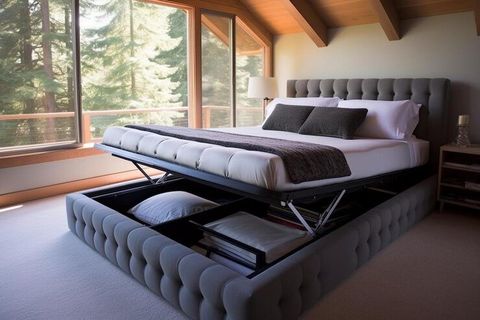
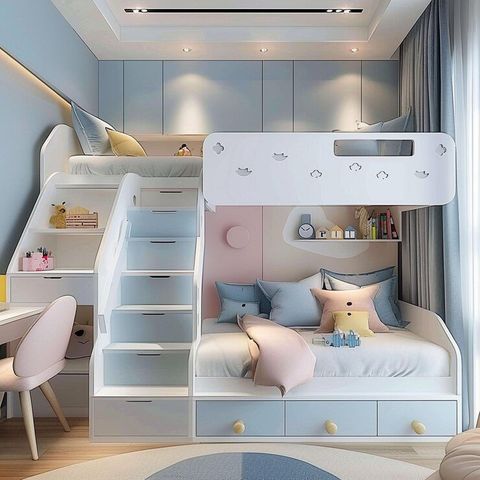
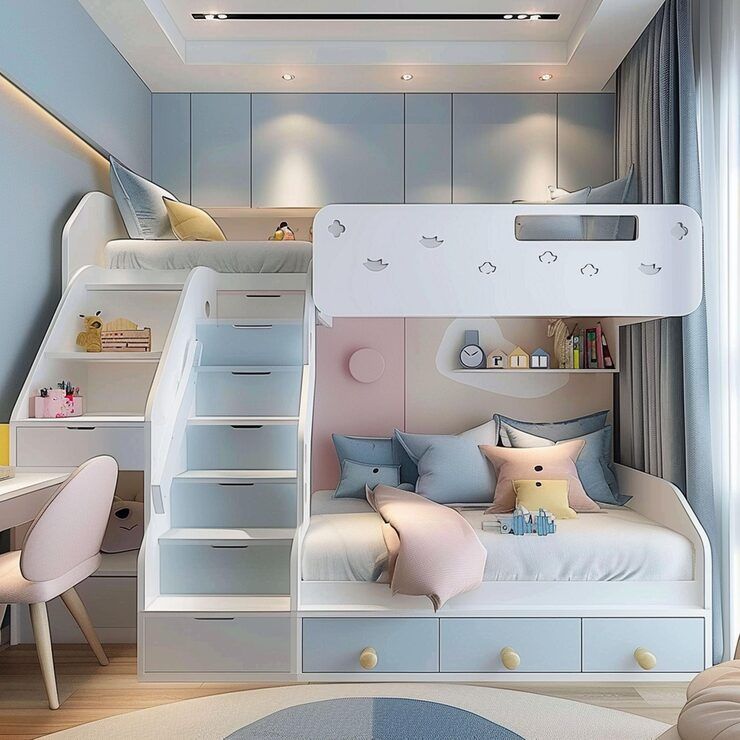
The bed serves as the central element of the room. Modular beds often include built-in storage drawers, pull-out storage compartments, trundle beds for siblings or guests, or elevated loft beds that create usable space underneath.
Beds may also integrate reading shelves or side storage, making everyday items easier for children to access independently.
Wardrobe and Storage Units
Wardrobes in modular systems are designed with adjustable shelves, hanging sections, drawers, and compartments for clothing, accessories, toys, or school supplies. Internal layouts can often be reconfigured as storage needs change.
Additional cabinets and cube storage help organize books, games, art materials, and seasonal items without creating clutter.
Study Area
A dedicated study space is increasingly important for school-age children. Modular desks often include shelves, cabinets, cable management, and adjustable work surfaces that support homework, creative activities, and computer use.
Many designs position the desk alongside storage units to keep educational materials within reach.
Shelving and Display Space
Wall-mounted shelves, open bookcases, and display units encourage children to organize books, crafts, trophies, and favorite items. These elements also contribute to room personalization without occupying floor space.
Space Planning in Modular Kids Bedrooms
Space planning is one of the biggest advantages of modular furniture. Every room size requires a different layout strategy.
Small bedrooms benefit from vertical storage, loft beds, and multifunctional furniture that leaves more open floor space for movement and play.
Medium-sized rooms can combine study areas, wardrobes, and storage walls while maintaining a comfortable circulation path around the bed.
Larger bedrooms allow modular furniture to create activity zones, including sleeping, studying, reading, and creative play areas without making the room feel crowded.
Well-planned layouts help children move safely while keeping frequently used items easily accessible.
Choosing Materials for Children's Bedroom Furniture
Material selection affects durability, maintenance, and safety. Children's furniture experiences daily use, making strong and easy-to-clean materials especially important.
Engineered wood is commonly used because it provides a smooth finish and consistent quality for modular designs. Solid wood offers long-lasting durability and natural aesthetics. Laminated surfaces help resist scratches and stains, making them suitable for children's everyday activities.
Parents often prefer finishes with low emissions and child-safe coatings that contribute to healthier indoor environments.
Smooth surfaces also simplify cleaning, especially in rooms used for crafts and play.
Safety Features Every Modular Kids Bedroom Should Include
Safety is one of the most important considerations when selecting children's furniture. Modular designs should prioritize both physical safety and long-term usability.
Rounded edges help reduce injuries from accidental bumps. Stable furniture construction prevents tipping, especially for wardrobes and bookshelves. Wall-mounted storage should be securely anchored to improve stability.
Loft beds require sturdy guardrails and safe ladders with comfortable grip spacing. Drawer mechanisms should include soft-close features to reduce finger injuries.
Safe furniture design also includes adequate ventilation, durable fittings, and materials appropriate for children's daily use.
Storage Solutions That Keep Bedrooms Organized
Children accumulate toys, books, clothing, art supplies, sports equipment, and school materials over time. Modular storage helps organize these items without overwhelming the room.
Hidden storage under beds makes use of unused space while keeping the room visually tidy. Pull-out drawers provide convenient access for younger children.
Vertical storage units maximize wall space instead of consuming floor space. Adjustable shelving accommodates growing collections of books and learning materials.
Dedicated compartments encourage children to develop organizational habits by assigning a place for different belongings.
Modular Bedroom Ideas for Different Age Groups
The design priorities of a modular bedroom often depend on the child's stage of development.
For toddlers, the bedroom focuses on safety, accessible storage, and open play areas. Furniture is typically lower in height and designed for easy independence.
School-age children benefit from integrated study desks, bookshelves, and organized wardrobes alongside play-friendly storage.
Pre-teens often require larger study spaces, hobby storage, and more wardrobe organization as their routines become more structured.
Teenagers usually prefer flexible layouts that support study, technology, reading, and personal interests while maintaining a more mature room design.
A modular approach makes these transitions easier without requiring a completely new furniture collection.
Popular Modular Kids Bedroom Styles
Interior design trends have expanded the variety of modular bedroom styles available for children.
Scandinavian-inspired bedrooms use light colors, natural wood finishes, and minimal furniture to create calm environments.
Contemporary modular rooms emphasize clean lines, multifunctional storage, and neutral color palettes with colorful accents.
Nature-inspired designs incorporate soft greens, earthy tones, and wooden textures that create relaxing spaces for children.
Theme-based modular rooms allow personalization through removable decorative panels, wall colors, and accessories instead of permanent furniture designs, making updates easier as interests change.
Study-Friendly Modular Bedroom Designs
Children increasingly spend time learning at home, making ergonomic study spaces essential.
A modular study area should provide comfortable seating height, sufficient desk space, and organized storage for books and stationery. Natural lighting near study desks helps create comfortable learning conditions during the day.
Shelves above or beside the desk keep educational materials organized while leaving the workspace uncluttered.
As children grow, adjustable furniture can continue supporting comfortable posture and changing academic needs.
Color and Design Considerations
Color influences the atmosphere of a child's bedroom. Modular furniture often uses neutral base colors combined with interchangeable accents.
Soft shades create calm sleeping environments, while brighter accents can stimulate creativity in play or study areas. Using removable decorative elements allows room personalization without replacing furniture.
Choosing timeless furniture colors also makes it easier to update the room with changing interests through bedding, artwork, or accessories rather than major renovations.
Recent Trends in Modular Kids Bedroom Sets in 2026
Children's bedroom design continues evolving with changing lifestyles and interior preferences.
One major trend is multifunctional furniture that combines storage, study, and sleeping functions into compact layouts suitable for urban homes.
Another growing trend is sustainable furniture made from responsibly sourced materials and finishes designed for healthier indoor environments.
Technology-friendly furniture is also becoming more common, with cable organization, charging spaces, and flexible desk layouts supporting digital learning without creating visible clutter.
Customizable storage systems remain popular because families value furniture that adapts to changing routines instead of remaining fixed.
Common Mistakes to Avoid When Planning a Modular Kids Bedroom
Many families choose furniture based only on appearance rather than long-term functionality. This can result in layouts that become unsuitable as children grow.
Another common mistake is adding excessive storage without leaving enough open space for movement and play. A balanced layout is usually more practical than filling every wall with cabinets.
Ignoring safety features such as furniture anchoring or guardrails can create avoidable risks in children's rooms.
Choosing furniture without considering future educational needs may also require unnecessary replacements within a few years.
Planning for flexibility from the beginning helps avoid these challenges.
Maintenance and Long-Term Care
Regular maintenance helps modular furniture remain functional for many years.
Cleaning surfaces with gentle household cleaners helps maintain finishes without damaging protective coatings. Checking hinges, drawer runners, and handles periodically ensures smooth operation and identifies loose fittings early.
Keeping storage organized also reduces wear by preventing drawers and shelves from becoming overloaded.
As children grow, rearranging modules occasionally can refresh the room while improving functionality for new activities or storage needs.
The Future of Modular Kids Bedroom Furniture
Children's furniture is increasingly designed around adaptability, sustainability, and multifunctionality. Future modular bedroom systems are expected to offer even greater flexibility, allowing furniture components to expand, fold, or transform according to changing room requirements.
Designs are also moving toward longer product life cycles, encouraging families to update individual modules instead of replacing complete furniture sets. This supports more sustainable home furnishing practices while reducing waste.
The future also emphasizes healthier living spaces through child-safe materials, ergonomic study furniture, and layouts that encourage independence and organization from an early age.
Conclusion
Modular kids bedroom sets provide a thoughtful approach to designing bedrooms that grow alongside children. By combining flexible furniture modules, efficient storage, safe construction, and adaptable layouts, they create spaces that support sleep, learning, creativity, and everyday organization.
Whether furnishing a compact apartment bedroom or a larger family home, modular designs help maximize available space while allowing future changes without major renovations. Choosing durable materials, child-friendly safety features, and flexible storage solutions helps create a bedroom that remains practical through different stages of childhood.
A well-planned modular kids bedroom is not only visually organized but also designed to meet the changing needs of children, making it a practical and future-ready solution for modern family living.